Tennis Grip Guide: 3 Essential Styles for Better Play
"The difference between a powerful winner and a frustrated error often starts where the racket meets your hand: the grip."
Choosing the right grip is the most critical technical decision a beginner can make to ensure consistent ball contact and prevent long-term wrist strain.
* Understand the fundamental differences between Eastern, Western, and Semi-Western grips. * Match your grip choice to your intended swing style (Flat vs. Topspin). * Learn how to identify your hand size and grip replacement needs to prevent injury. * Master the basics of grip shifting to own the court.
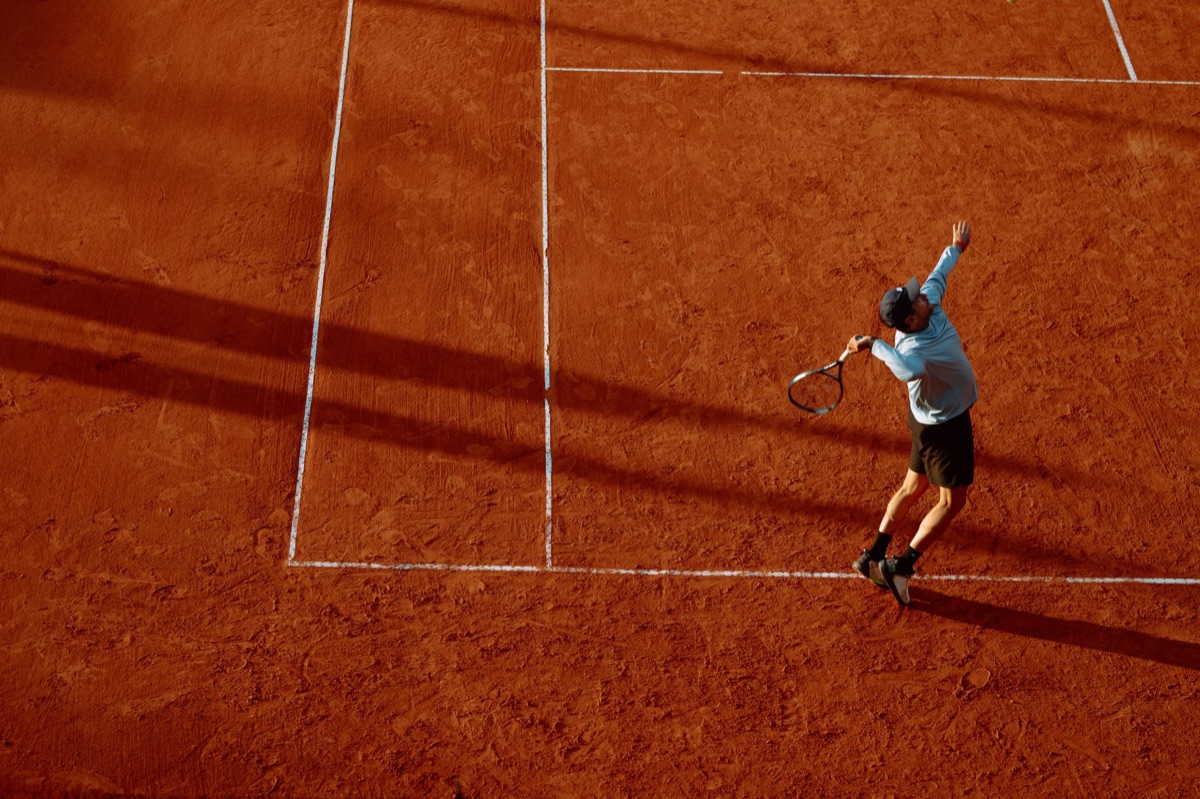
Why is the right grip the foundation of your tennis game?
A humid Tuesday afternoon in July 2026 at a local park in Austin, Texas, finds a beginner gripping a racket so tightly that their knuckles are white and their forearm is shaking.
They swing, the ball hits the frame, and they wonder why their forehand feels like a heavy, clumsy movement rather than a fluid stroke.
In tennis, the "grip" is the specific way your hand wraps around the handle, aligning your palm and fingers with the flat surfaces, known as bevels, of the racket. This orientation determines the angle of the racket face at the moment of impact.
If your grip is off, the racket face will tilt unexpectedly, causing balls to fly long or hit the net.
Beyond shot consistency, the grip is a matter of physical health. An incorrect hand placement can force the wrist into unnatural angles, leading to repetitive strain injuries like tennis elbow.
Getting the foundation right ensures that the energy from your body flows through the racket rather than getting blocked by a poorly positioned hand.
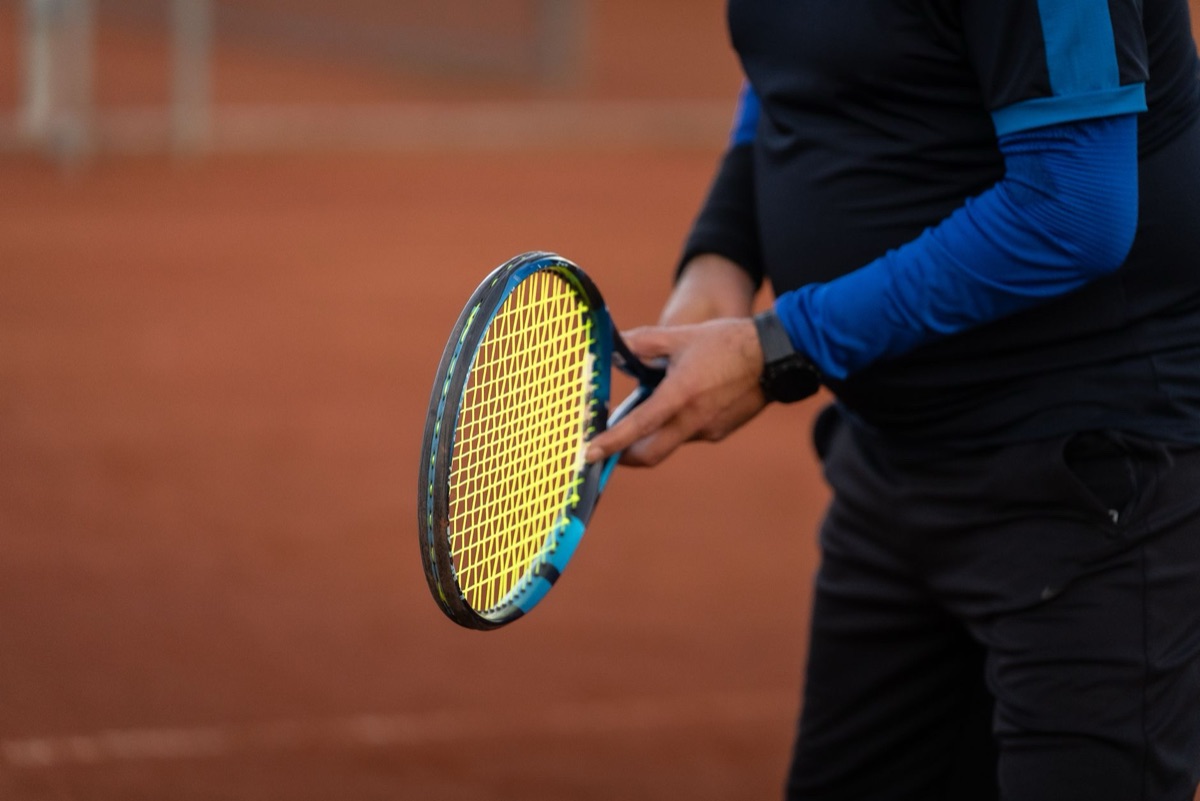
Comparing the 3 Main Grip Types: Which one fits your style?
Standing on a hard court in the midday sun on July 20, 2026, a player adjusts their hand, sliding it slightly toward the throat of the racket to find a better feel for the ball. They are experimenting with the three primary ways to hold a racket for a forehand.
The Eastern Grip is the classic starting point. In this position, the palm sits relatively flat on the handle, much like shaking hands with the racket. It is excellent for hitting flat, penetrating shots and is the go-to choice for players who love to come to the net for volleys.
Because it allows for a very natural feel, it is often the first grip taught to beginners.
The Semi-Western Grip is the modern hybrid and is arguably the most popular choice for intermediate players today. By rotating the hand slightly more toward the underside of the handle, the racket face sits at an angle that naturally brushes up the back of the ball.
This is perfect for players who want a mix of power and heavy topspin, making it the versatile choice for baseline-oriented play.
The Western Grip is the extreme version of the spin-oriented style. Here, the hand is placed significantly further under the handle, almost as if the palm is facing the sky.
This requires great wrist flexibility and is best suited for players who play aggressively from the baseline, hitting heavy topspin to keep the ball deep in the court.
| Grip Type | Primary Shot Style | Difficulty Level | Best For |
|---|---|---|---|
| Eastern | Flat/Slice/Volley | Low | Beginners/Net players |
| ly Semi-Western | All-around/Topspin | Moderate | Most baseline players |
| Western | Heavy Topspin | High | Aggressive grinders/Low bounces |
But choosing a style is only half the battle; you also have to ensure the tool actually fits your hand.
How to measure your grip size and select the right handle?
A player walks into a sporting goods store in early 2026, holding a brand-new racket in one hand and a measuring tape in the other, trying to figure out if the handle is too bulky for their grip.
To find your perfect fit, you can use the "Finger Test." Hold the racket in a natural playing position and slide two fingers (your index and middle finger) into the gap between your fingertips and the palm of your hand.
If the gap is too tight, the grip is too small; if there is a massive empty space, the grip is too large. Standard sizes typically fall into increments like 4 1/8, 4 1/4, or 4 3/8 inches.
The circumference of the handle directly affects hand fatigue. If the handle is too thick, you will struggle to snap your wrist, leading to a lack of power and potential injury. If it is too thin, the racket may twist in your hand upon impact.
You can use overgrips—thin, adhesive tapes wrapped over the base grip—to subtly increase the effective size of your handle to find that perfect balance.
When I first started coaching in 2025, I noticed players with small hands struggling with heavy-duty handles, often resulting in immediate wrist fatigue.
However, even with the right size, moving between shots requires a specific sequence of movements.

Step-by-Step: How to transition between grips during a match?
During a fast-paced rally on a hot afternoon, a player catches a high ball and quickly slides their hand down the handle to prepare for a backhand, showing how fluid movement is essential.
Grip shifting is the ability to move your hand to different bevels as the point progresses.
- Identify the shot type: Before the ball even crosses the net, decide if you are preparing for a forehand, a backhand, or a volley.
- Use the hand-rotation technique: Rather than lifting your whole hand off the racket, use a pivoting motion. For example, to move from an Eastern to a Semi-Western grip, rotate your palm slightly toward the ground while keeping your fingers anchored.
- Maintain a relaxed grip: Keep your hand tension low during the transition. A tight hand makes shifting impossible; a relaxed hand allows the racket to glide into the new position seamlessly.
A smooth transition ensures you aren't caught off guard by a sudden change in ball height.
Common Mistakes: Why your shots aren't landing
A frustrated player sits on a bench in late 2025, rubbing their forearm after another session of hitting balls into the net due to a grip that felt "too heavy."
One of the most common errors is the "Death Grip." Many beginners hold the racket so tightly that they lose all "feel" for the ball. This tension prevents the wrist from moving naturally and is a leading cause of forearm strain.
Another mistake is incorrect hand placement, where the player fails to align their knuckles with the specific bevels of the handle. If your knuckles aren't sitting on the correct diagonal lines of the racket, your shots will never be consistent.
Finally, ignoring the need for grip changes—trying to use one single grip for every single shot—will limit your ability to defend against different types of incoming balls.
If you ignore these errors, you might find yourself fighting your equipment rather than your opponent.
Maintenance: When should you replace your grip tape?
After a heavy match in the summer heat of 2026, a player notices their grip tape is peeling and feels slimy, prompting them to reach for a fresh roll of overgrip.
You can tell it is time for a replacement when you notice a loss of tackiness, the material starts thinning, or the grip feels saturated with sweat. Maintaining the surface is critical for control.
Follow the "Hygiene & Performance" rule: replace your overgrip every 3 to 5 matches or as soon as you feel the friction decreasing.
Remember that there is a difference between the Base Grip (the thick, cushioned layer directly on the handle) and the Overgrip (the thin, textured surface you touch). While the base grip lasts longer, the overgrip is your primary interface and requires frequent attention to keep your shots precise.
Note that grip maintenance is not a one-size-fits-all solution; players with extreme perspiration may need much more frequent changes than those playing in dry climates.
#




Comments 0