Baseball ball hardness guide: How to choose right gear
Selecting the right equipment requires understanding the specific nuances of how different materials interact with a player's grip and the field.
This guide explores the fundamental differences in ball characteristics to help players choose the right equipment for their specific game needs. You will learn how to distinguish between various types of balls, the importance of consistency in play, and what to look for when purchasing gear.
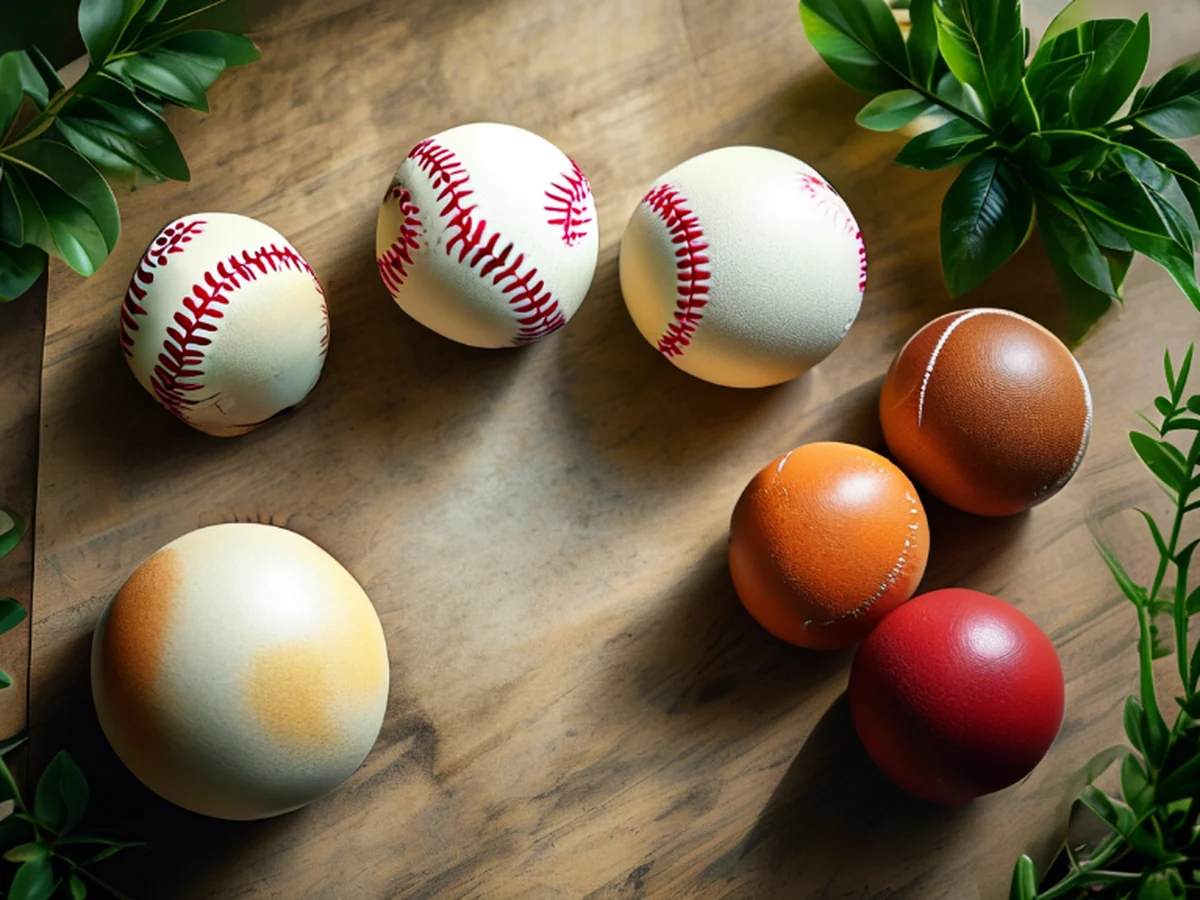
This discussion covers the basics of material density and surface texture, though it does not cover specific manufacturer-level chemical compositions.
What defines a baseball ball hardness guide?
At dusk on the dusty field, I squeeze the leather to test the tension of the baseball.
A player holds a fresh ball in their palm, feeling the tension of the leather and the firmness of the core. This tactile sensation is the primary way players judge whether a ball meets their specific playing requirements.
A reliable baseball ball hardness guide focuses on the balance between the internal compression and the external shell. When a player squeezes the ball, they are testing the structural integrity that will dictate flight paths and bounce.
Choosing the right equipment involves matching the ball's density to the intended level of play, such as competitive leagues or casual practice.
Understanding how the core reacts to temperature and humidity is also vital for maintaining consistent play. If the ball is too hard, it may cause injury during catching; if it is too soft, the flight might be unpredictable.
How do players handle hard vs soft baseballs?
Under the bright stadium lights, I feel the heavy weight of the hard baseball as I grip it tightly.
A pitcher grips a heavy ball, feeling the weight shift as they prepare for a high-velocity pitch. The difference in sensation between different models can change how a player approaches the game.
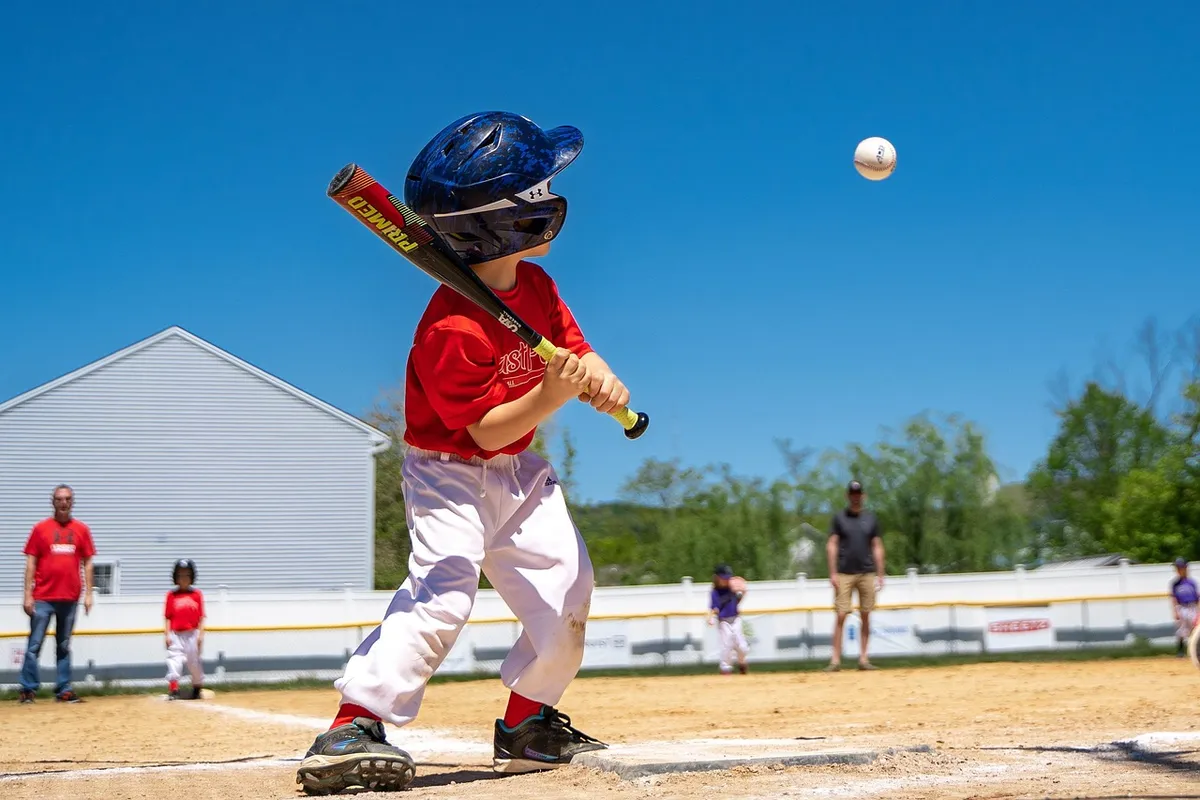
When comparing hard vs soft baseballs, the primary distinction lies in the internal density and the compression limits of the material. Harder balls typically offer more consistent flight paths and higher exit velocities, making them suitable for professional-level competition.
Soft balls are often utilized in youth leagues or recreational settings to minimize the risk of injury and provide a more forgiving feel for developing players.
Choosing baseball ball type depends heavily on the age of the players and the specific rules of the league. Selecting a ball that is too hard for a youth player can lead to hand fatigue or discomfort during long games.
What is the process for choosing baseball ball type?
A coach opens a large equipment bag, pulling out several different models to demonstrate the variations to the team. The team watches closely to see how the texture and weight differ.
To effectively manage your equipment, follow these three steps:
- Assess the intended environment, such as whether the game will be played on dirt, grass, or synthetic surfaces. 2. Evaluate the age and skill level of the players to ensure the ball's firmness is safe and appropriate. 3. Test the grip and weight of the baseball ball firmness guide standards to ensure they meet league regulations.
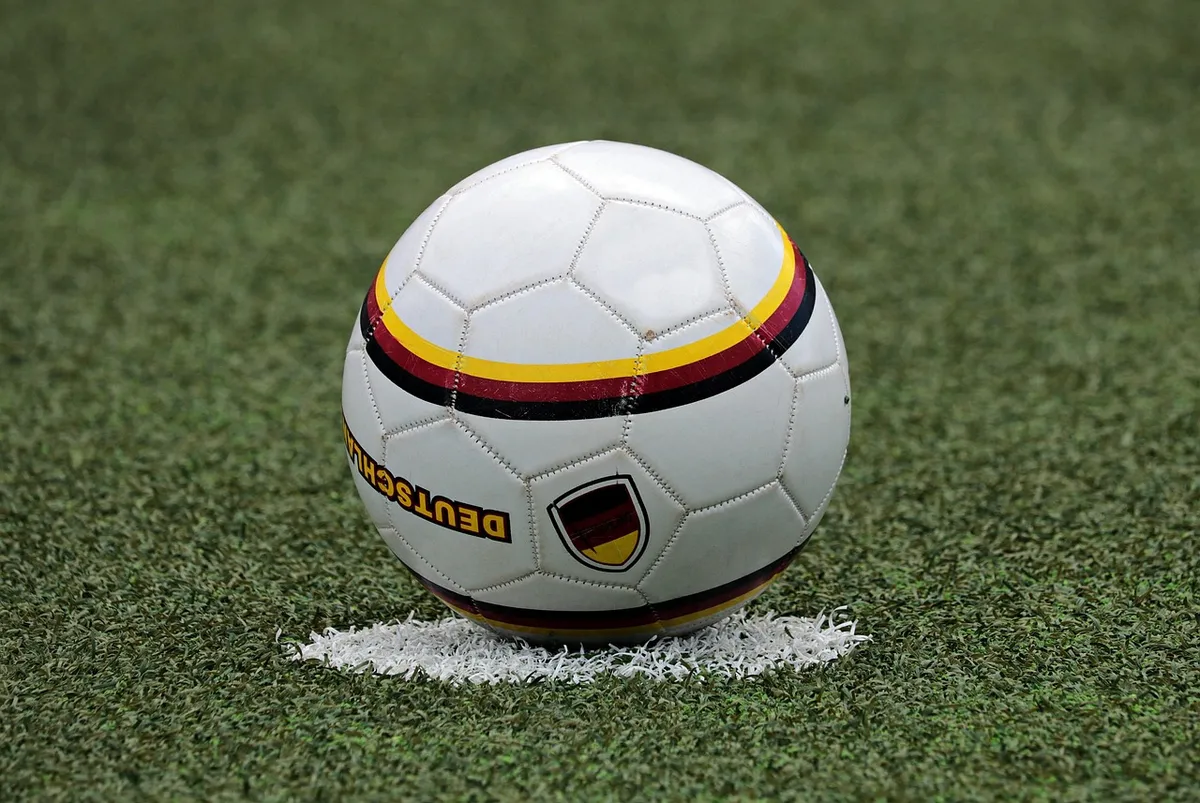
After selecting a batch, perform a final check by testing a few balls with a standard bat to ensure the bounce and flight are consistent with expectations. I once spent an entire afternoon testing different batches to ensure our team had the most consistent feel for the season.
How does the baseball ball firmness guide apply to different environments?
A player walks onto a dusty diamond, noticing how the heat of the afternoon sun seems to affect the equipment. The atmosphere of the field plays a role in how the equipment performs.
The baseball ball firmness guide helps players understand how environmental factors might alter the feel of the ball. In hotter climates, the internal components may expand slightly, potentially increasing the perceived hardness.
Conversely, in cold environments, the materials might feel more rigid or brittle.
Players must be aware that these changes can affect the weight and how the ball reacts to the bat. Keeping a consistent supply of balls that account for these variables is essential for competitive balance.
What are the differences in outer vs inner ball feel?
A catcher receives a fast pitch, the sound of the ball hitting the leather mitt echoing through the stadium. The connection between the hand and the ball is the most critical element of the game.
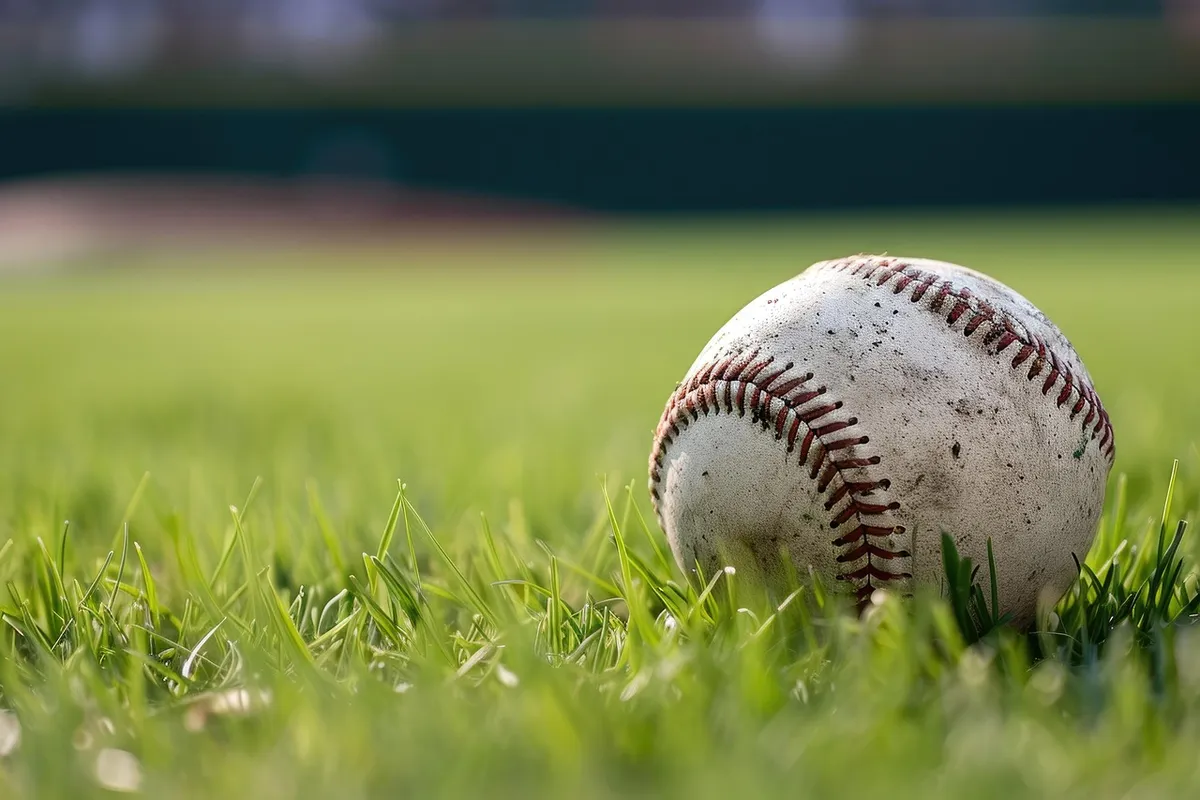
The concept of outer vs inner ball feel refers to the relationship between the outer cover and the internal core. The outer cover provides the grip and texture necessary for pitching and hitting, while the inner core determines the weight and bounce.
A well-balanced ball ensures that the outer grip does not feel disconnected from the internal weight.
If the inner core is too dense, the outer cover might feel unnaturally tight or difficult to grip. Conversely, a soft core might make the outer shell feel loose or unstable during a high-speed pitch.
- What defines a baseball ball hardness guide?
- How do players handle hard vs soft baseballs?
- What is the process for choosing baseball ball type?
This part also covers How to pick baseball ball.
Related
- Modern sports tech trends: Why e-waste is a global challenge
- Rugby popularity trends: How rule changes affect engagement
When is selecting the right equipment most critical? Selecting the right equipment becomes most critical when transitioning between different playing scenarios. The manner in which materials interact with a player's grip changes depending on the surface condition.
When moving from grass to dirt, players must account for how the ball's density interacts with the ground's composition. This shift in environment necessitates re-evaluating the firmness guide standards.
Furthermore, when the skill level of the players changes, selecting the right equipment must prioritize safety over pure performance metrics. A change in player ability demands a corresponding adjustment in ball characteristics.
How does grip texture relate to ball core density? The surface texture provides the initial point of contact, which influences how the player perceives the core density. A rougher texture might mask subtle variations in the internal compression.
If the outer cover has a pronounced texture, the player might focus more on the grip rather than the ball's inherent weight. Conversely, a very smooth texture emphasizes the feel derived from the core's reaction.
This relationship is important when selecting the right equipment for specific throwing motions, as the grip must complement the core's stability during release.
Wikipedia: World Baseball Classic (full) Based on the retained excerpt mentioning International Baseball Federation: It previously coexisted with Olympic baseball (until 2008) and the Baseball World Cup (until 2011) as tournaments sanctioned by the International Baseball Federation, the predecessor to the WBSC.





Comments 0