Beginner bicycle safety tips: 80 percent energy guide
"Extreme sports can provide mental health benefits—and reducing errors in risk assessment can improve safety."
Learning beginner bicycle safety tips requires understanding both the physical mechanics of the ride and the mental approach to risk. This guide covers efficient energy use, aerodynamic drag, and basic riding techniques for those starting their journey.
You will learn how to manage speed, understand how body position affects movement, and recognize the limitations of basic riding mechanics.
How can I use energy efficiently while cycling?
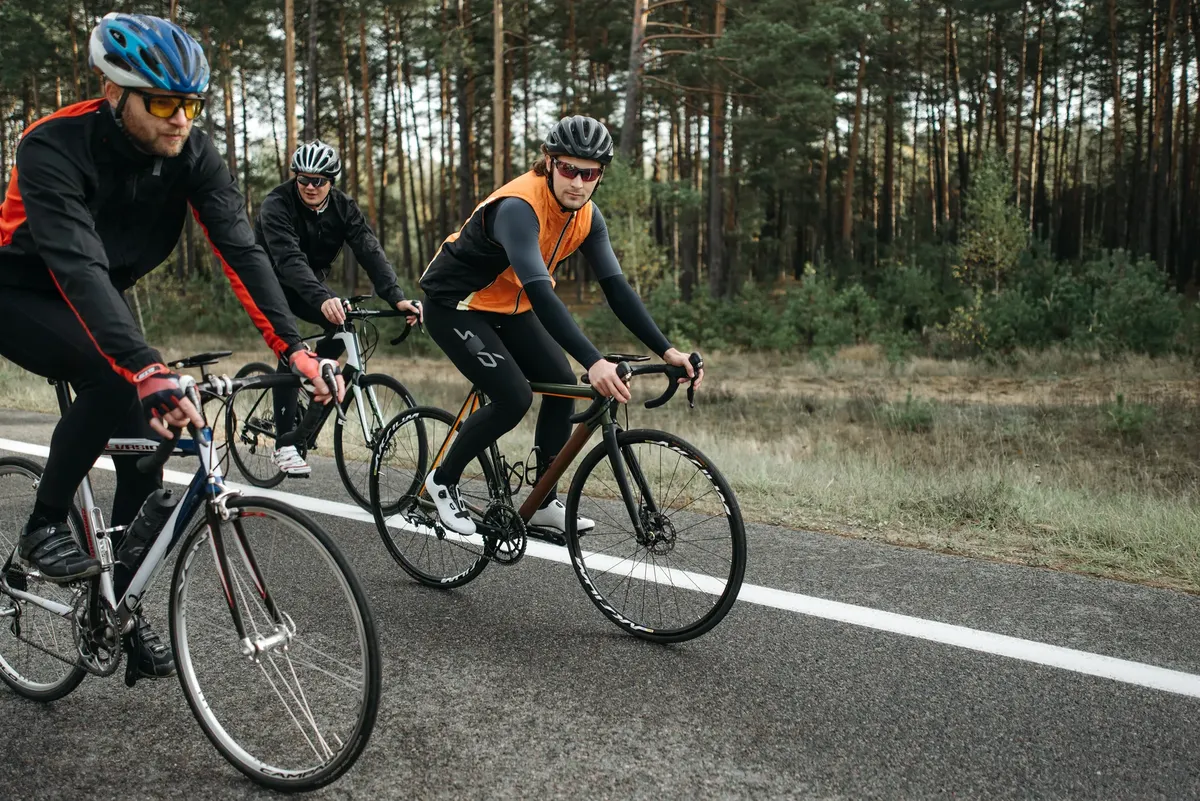
I grip the handlebars at dawn to focus on my breathing while learning to manage power as a beginner.
A rider grips the handlebars and pushes down on the pedals to begin moving forward. Using a bicycle allows for much more efficient travel than walking, as the energy taken to cycle to a particular distance takes less than the energy to walk as far by four-fifths or 80 percent.
This inherent efficiency makes cycling an excellent mode of transport. Because the mechanical advantage is so high, you can cover significant distances with manageable effort.
Maintaining this efficiency requires consistent pedaling and an understanding of how much energy is being converted into motion.
The energy transfer process is highly efficient, but not perfect. From a mechanical viewpoint, up to 99% of the energy delivered by the rider into the pedals is transmitted to the wheels, although the use of gearing mechanisms may reduce this by 10–15% and there is also a small amount of tire slip.
- Maintain a consistent cadence to avoid muscle fatigue.
- Shift to easier gears when climbing to conserve power.
- Utilize momentum by pedaling smoothly through transitions.
What are the basics of safe riding for beginners? Beginner bicycle safety tips
At sunrise, I tighten my grip on the handlebars while studying the paved path to master the basics as a beginner.
A cyclist adjusts their seat and checks the tire pressure before heading out onto a paved path. Safe cycling for beginners involves mastering speed control and understanding the relationship between power and movement.
At low to medium speeds of about 16–24 km/h (10–15 mph), a human traveling on a bicycle uses only the power required to walk. This makes moderate cruising an easily sustainable activity for most people. Maintaining this specific speed range allows for a balance of momentum and control.
Understanding these speed ranges helps in planning routes. If you maintain a steady pace, you can navigate urban environments or park paths with confidence. This level of movement is essentially equivalent to the effort of walking, making it accessible to various fitness levels.

In this sequence, the second step is the most critical.
How does body position affect my speed?
A rider leans forward over the frame to reduce the wind hitting their chest. A bicycle riding guide should emphasize that how you sit changes how much resistance you face.
The shape of your body plays a massive role in how easily you move through the air. If the rider is sitting upright, the rider's body creates about 75% of the total drag of the bicycle/rider combination. This means your posture is the primary factor in aerodynamic efficiency.
To improve your speed without extra effort, you can experiment with different postures. Leaning forward can reduce that drag, while sitting upright offers more comfort but higher resistance. Finding the right balance is key to effective cycling.
What are the essential cycling precautions?
A rider checks the brakes and ensures the path ahead is clear of obstacles. Essential cycling precautions involve preparing for different terrains and managing the equipment you use.
Different bicycles are designed for different environments, so choosing the right gear is vital. For example, road bicycles typically use tires from 25 mm (1 in) to 35 mm (1.4 in) wide, sometimes completely smooth, or slick, and inflated to high pressure to roll fast on smooth surfaces.
Meanwhile, off-road tires are usually wider, from 30 mm (1.2 in) to 100 mm (4 in), and have treads for gripping in muddy conditions or metal studs for ice.
Properly selecting tires for your specific environment prevents loss of control. Using smooth tires on gravel or knobby tires on smooth pavement can lead to slips. Always match your equipment to the surface you intend to ride on.
How do I practice safe riding techniques?
A cyclist practices turning and braking in an empty parking lot to build muscle memory. Learning safe riding techniques requires a step-by-step approach to handling the machine.
- Check your equipment: Before every ride, ensure your tires are properly inflated and your brakes are responsive. 2. Practice balance: Start in a flat, open area to get comfortable with the weight and movement of the bicycle. 3. Master speed control: Practice accelerating and braking smoothly to understand how much force is required for different tasks.
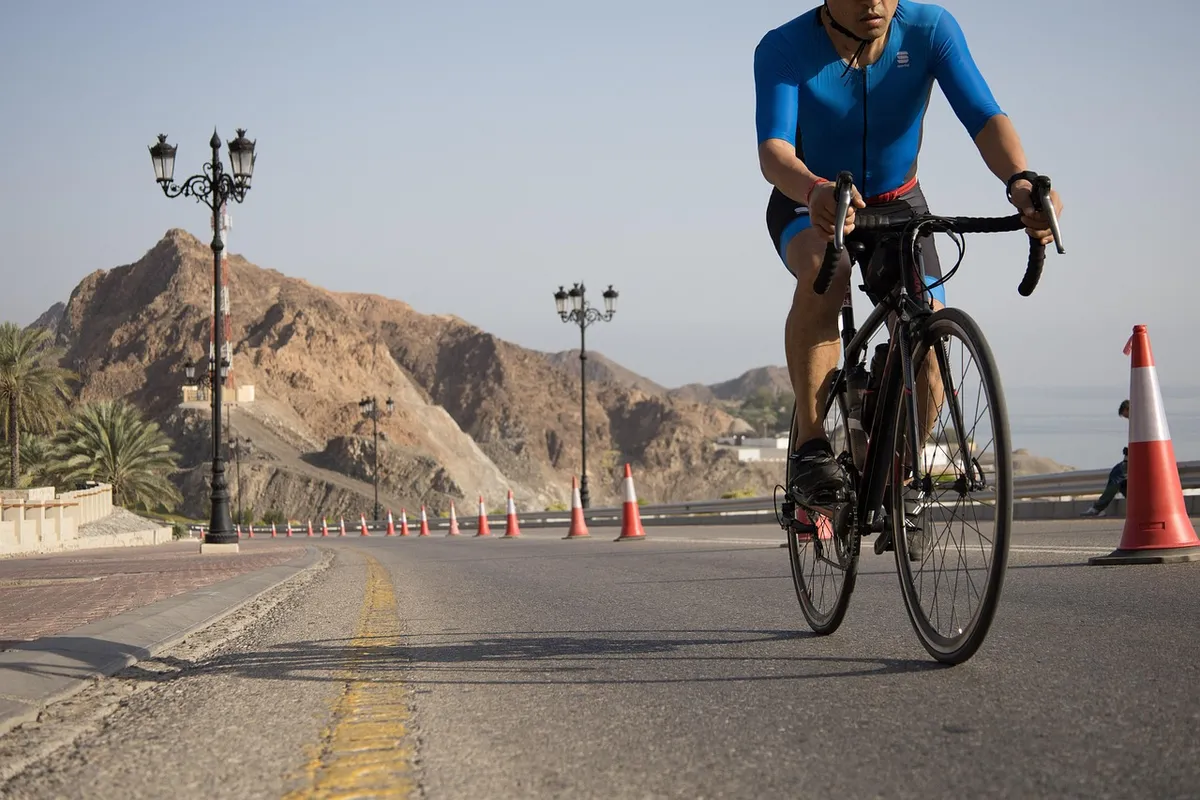
I once spent an entire afternoon in a quiet park just practicing how to shift gears while maintaining a steady cadence. This helped me understand how much the gearing mechanisms could affect my overall energy expenditure.
If you are riding in extremely technical or high-speed environments, the standard advice for casual riders may not apply to the specific mechanical or environmental constraints of those specialized activities.
The subject here is Beginner bicycle safety tips.
The same subject is also called Cycling safety basics.
The same subject is also called How to ride a bike safely.
Related
- Essential cycling gear guide: Weight of 22 kg draisine
- How to choose outdoor gear for track and field?: 110 meters
How do Extreme sports relate to risk assessment? Extreme sports involve inherent risks that require careful evaluation before participation. Reducing errors in risk assessment can improve safety across various activities, including cycling. A beginner must recognize the limitations of basic riding mechanics to avoid unsafe situations. According to the American Psychological Association, extreme sports can provide mental health benefits, and reducing errors in risk assessment can improve safety. According to the Association (APA), extreme sports can provide mental health benefits, and reducing errors in risk assessment can improve safety.
This caution applies because the energy transfer process, while highly efficient, is not perfect, meaning small mechanical failures can have consequences. Understanding the relationship between power and movement is crucial for managing these inherent risks.
What are the conditions for optimal cycling performance? Optimal cycling performance depends on matching equipment to the terrain and maintaining proper body mechanics. The rider must ensure the path ahead is clear of obstacles before beginning the journey. Proper selection of tires prevents loss of control when conditions change.
For instance, choosing smooth tires for a paved path allows for fast rolling, whereas knobby tires provide necessary grip in muddy conditions. Maintaining a steady pace helps in navigating environments with varied surfaces with confidence.
Consistent pedaling, combined with an understanding of how much energy converts into motion, supports sustained, efficient travel. This level of control is necessary when engaging in any form of Extreme sports.






Comments 0