Choosing sports gear guide: Evaluate gear based on activity
"The right equipment is the bridge between a safe workout and a potential injury."
This article focuses on understanding how to evaluate gear based on activity, safety standards, and personal needs.
How do you begin your choosing sports gear guide?
As the morning sun hits the retail floor, I stand still and run my fingers over the textured surfaces while choosing the perfect pair of running shoes.
You might stand before a wall of various helmets, shoes, and rackets, wondering which one actually meets your specific needs.
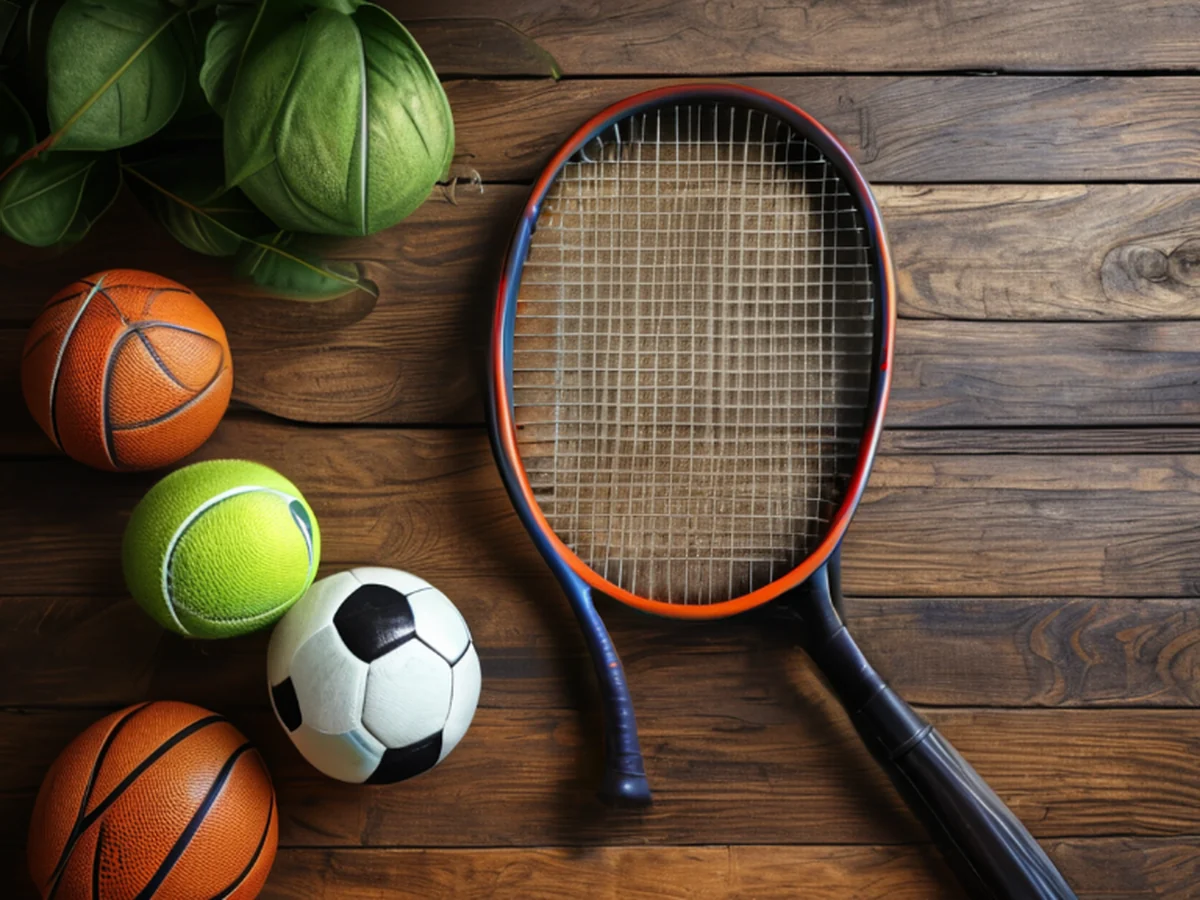
Effective gear selection begins with identifying the primary use case of the equipment. If you are looking for the best sports equipment choice, you must differentiate between casual recreational use and high-intensity competitive requirements.
For instance, a casual jogger requires different cushioning than a marathon runner.
The following elements serve as the foundation for any initial assessment: * Activity intensity levels * Material durability * Safety certification standards * Ergonomic fit
Understanding these basics prevents unnecessary spending on features that do not serve your specific sport.
Are the pros of sports gear worth the cons? A heavy-duty protective helmet provides superior impact resistance but may cause neck fatigue during long sessions. I remember testing a heavy carbon-fiber cycling helmet for the first time; while the protection felt absolute, the weight was a significant factor during steep climbs.
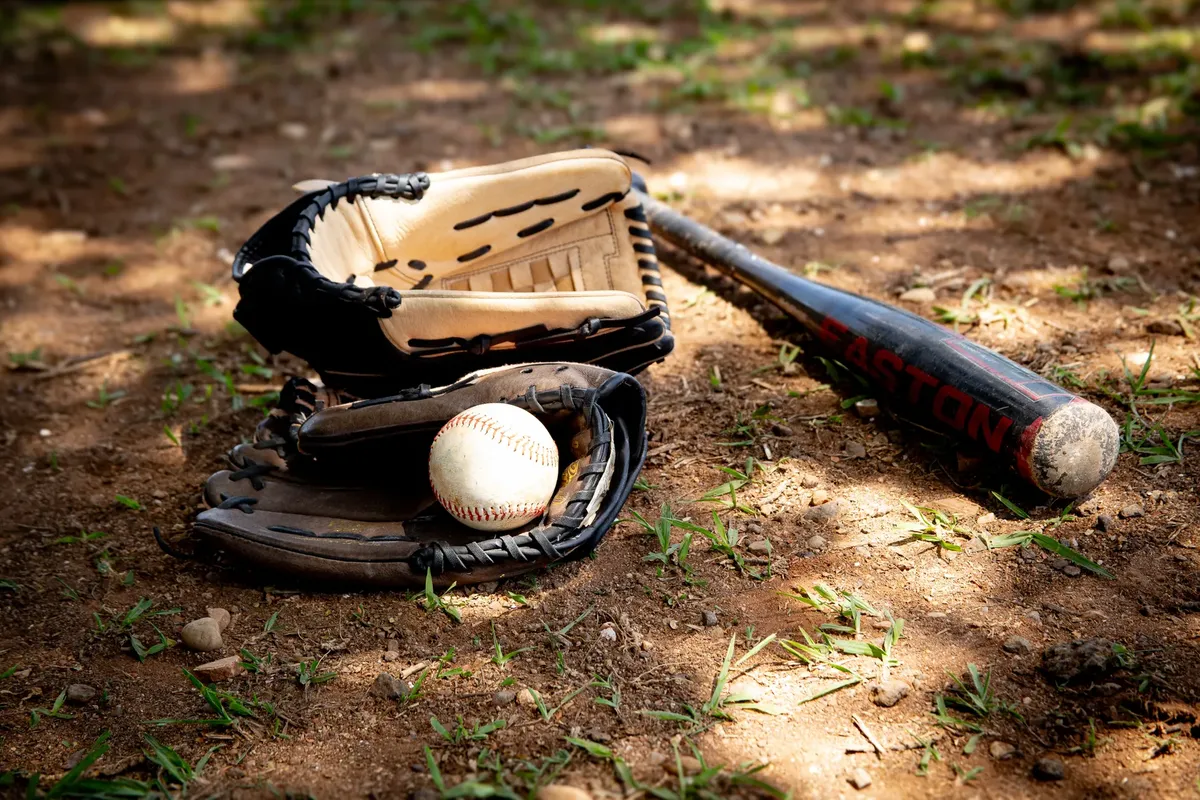
When evaluating the pros and cons of sports gear, you must weigh the benefits of advanced technology against the practical realities of use. High-end materials often offer better weight-to-strength ratios, yet they may require more specialized maintenance.
| Feature | Primary Benefit | Potential Drawback |
|---|---|---|
| Lightweight Composites | Increased mobility | Higher cost and fragility |
| Reinforced Padding | Enhanced impact protection | Increased bulk and heat retention |
Choosing between these options requires a clear understanding of your personal physical limits and the environment where you will be active.
How to pick sports gear for different environments?
An outdoor gym setup requires much more ruggedness than indoor fitness equipment. You might find yourself tightening bolts on a chin-up bar or checking the stability of an outdoor gym structure to ensure it can withstand weather fluctuations.
When considering how to pick sports gear for specific environments, durability becomes the most critical factor. Equipment used in outdoor settings must resist corrosion, UV damage, and moisture.

For example, metal components should be treated to prevent rust, and plastics must be UV-stabilized to prevent cracking under direct sunlight.
The environment dictates the maintenance schedule. Equipment used near water or in high-humidity areas will require more frequent inspections than indoor gear. Always match the material specifications to the climate where the equipment will reside.
How do I choose the right gear for my activity? Standing on a court or a field requires a different mindset than preparing for a gym session. Different sports demand specific mechanical responses from your equipment, such as flexibility for gymnastics or rigidity for weightlifting.
Effective gear selection by activity involves three essential steps: 1. Define the specific movement patterns required by the sport to ensure the gear allows for natural range of motion. 2. Verify that the equipment meets the necessary safety standards for that specific activity to prevent injury.
- Test the interface between the user and the gear, such as the grip of a racket or the fit of a boot, to ensure control.
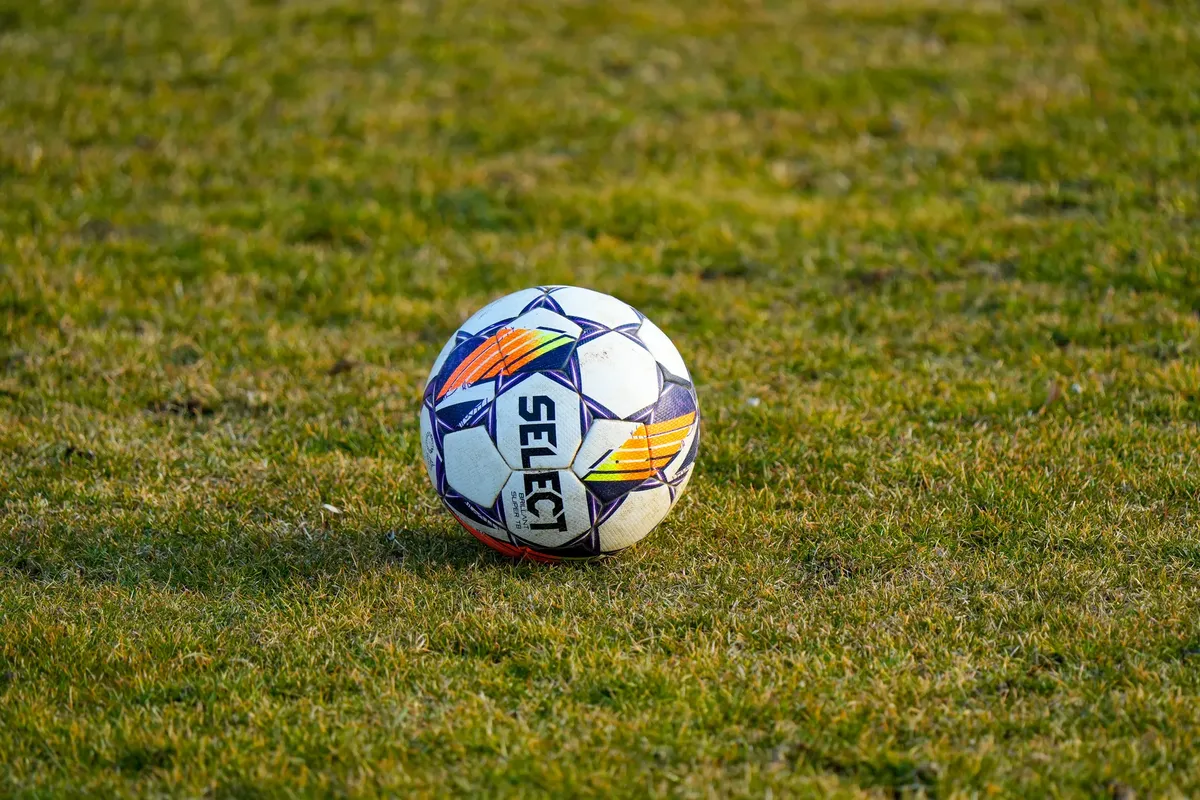
After completing these steps, perform a final check to ensure no part of the equipment interferes with your body's natural movement.
What are the essential criteria for gear selection?
Picking up a piece of equipment and feeling its weight or texture is a tactile necessity. You might hold a heavy protective pad in one hand and a lightweight version in the other to feel the difference in density and support.
According to the Athletic Equipment Managers Association, protective gear in sports is a key consideration.
According to the Association Protective gear in sports Ice, essential items may include an equipment manager, outdoor gym, protective equipment, chin-up bar, and ice sock.
The primary criteria for gear selection involve three distinct pillars: 1. Functionality: Does the item perform its intended task efficiently? 2. Safety: Does it provide the necessary protection for the level of risk involved? 3.
Ergonomics: Does it fit the human body comfortably to prevent secondary injuries?
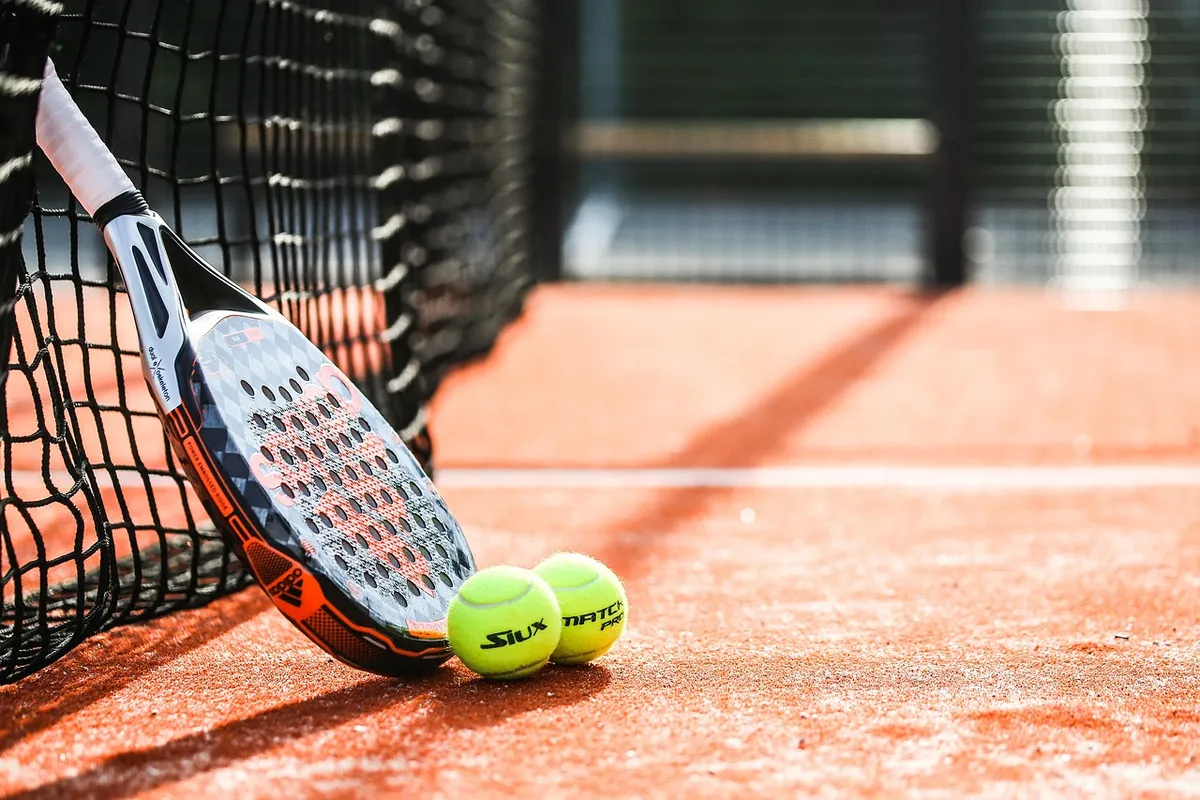
A final check is always necessary to ensure that the gear does not have sharp edges, loose straps, or faulty closures that could cause accidents during use.
- Finding the right balance between performance and safety is the core of any choosing sports gear guide.
- You will learn how to assess durability, how to prioritize protection, and the fundamental criteria for gear selection to ensure longevity and user safety.
- For any athlete, walking into a retail space filled with high-tech materials can feel overwhelming.
The subject here is Choosing sports gear guide.
The same subject is also called Sports equipment pros cons.
This part also covers Guide to equipment buying.
Related


Comments 0