From Wood to Carbon: Modern Materials in Sports Equipment
"The right gear doesn't just make the game easier; it makes the game possible."
Mastering sports equipment begins with understanding how tools translate human movement into athletic performance. Whether you are picking up a racket or lacing up cleats, knowing the mechanics of your gear prevents injury and maximizes your potential from day one.
* Function over Fashion: Prioritize gear that serves a specific purpose, such as safety or stability, over purely aesthetic choices. * Anatomy Matters: Understanding the components of your equipment—like the tension in a string or the stud pattern on a cleat—is vital for control. * Maintenance is Performance: Regular cleaning and inspection are not just about looks; they prevent structural failure and sudden injuries. * The Right Fit is Non-Negotiable: Improperly sized gear is the fastest way to turn a fun hobby into a painful physical setback.
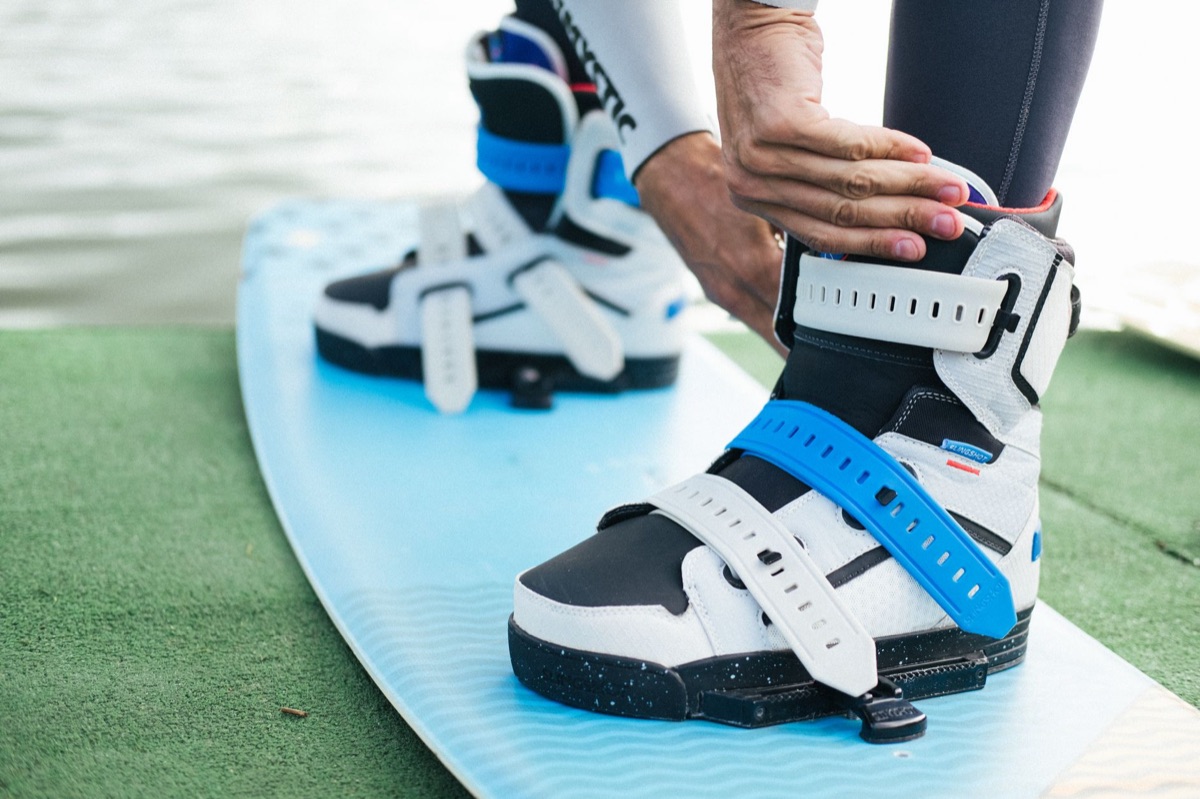
Why does the right gear change everything?
I remember standing on a local tennis court in suburban Virginia in the summer of 2024, clutching a heavy, outdated wooden racket that felt like a lead weight in my hand.
Every time I swung, the vibration traveled straight from the frame into my elbow, leaving me sore before the first set was even over.
Sports equipment serves two primary roles: safety and performance enhancement. Safety gear, like helmets or shin guards, exists to mitigate risk, while performance gear, like specialized running shoes or carbon fiber bicycles, is designed to optimize power transfer and efficiency.
Modern materials have revolutionized these roles, moving from heavy natural materials like leather and wood to lightweight, high-tech synthetics like carbon fiber, mesh, and advanced polymers.
Choosing the wrong gear for your activity level can be detrimental. A professional-grade racing bike is technically superior, but it is often too twitchy and uncomfortable for a beginner riding on city streets. Proper equipment matching ensures that the tool works with your body, not against it.
Furthermore, all gear has a lifespan; understanding the cycle of wear and tear is the first step toward becoming a savvy consumer.
Breaking down the tools: What are you actually holding?
I sit in the dim light of the shop, tracing the sharp studs of a soccer cleat with my thumb.
I sat in a dim equipment shop last winter, staring at a wall of soccer cleats, wondering why dozens of different stud patterns existed for the same sport.
It took a conversation with a veteran coach to realize that every single protrusion on that sole was a calculated decision for traction and stability.
To master your gear, you must understand its anatomy. Let's look at two common examples:
1. The Tennis Racket Structure * The Frame: The main body, often made of graphite or carbon fiber, which dictates stiffness and weight. * The Strings: The "engine" of the racket. The tension (measured in pounds) determines how much power or control you have.
* The Grip: The interface between you and the tool. It must provide enough friction to prevent slipping but enough comfort to prevent blisters.
2. The Soccer Cleat Anatomy * The Upper: The material covering the top of the foot, designed for touch and durability. * The Sole Plate: The rigid bottom layer that provides structure. * The Studs/Cleats: These provide the grip. Their shape (conical vs.
bladed) and length are designed for specific turf types, such as firm ground or artificial grass.
Before you even step onto the field, you must perform a critical component check. For equipment with moving parts or tension, such as rackets or bicycles, check the integrity of strings or the tightness of bolts. For electronic gear, always verify battery levels before leaving the house.
But even with the right tools, preparation is where the battle is won or lost.
How to prepare your gear for the best results
I once arrived at a hiking trailhead at 6:00 AM on a crisp October morning, only to realize my boots hadn't been properly laced for the terrain, leading to a painful encounter with a blister within the first mile. It wasn't a gear failure, but a preparation failure.
Follow this sequence to ensure your equipment is ready for optimal performance:
- The Pre-Use Inspection: Check for physical damage like cracks in frames, fraying in laces, or worn-down tread on soles. Ensure all moving parts are clear of debris.
- The Setup Phase: For gear like rackets, ensure the string tension is appropriate for your skill level. For bicycles, check that the seat height and handlebar position are adjusted to your body measurements.
- Mid-Use Adjustments: During activity, pay attention to how the gear feels. If a shoe feels too tight due to foot swelling, loosen the laces slightly. If a grip feels slippery from sweat, use a towel to dry it immediately.
- The Post-Use Protocol: Never put gear away dirty. Wipe down sweat, mud, or dust immediately after use to prevent it from settling into the material.
| Task | Frequency | Purpose |
|---|---|---|
| Visual Inspection | Every use | Detect cracks, fraying, or structural damage |
| Deep Cleaning | Weekly/Monthly | Remove salt, sweat, and grime from fibers |
| Component Replacement | As needed | Replace worn strings, pads, or tread |
| Storage Check | Monthly | Ensure no mold or dry rot is developing |
This routine keeps you safe, but longevity requires more than just a quick wipe-down.
Keeping your gear alive: Maintenance and longevity
Leaving a pair of high-end leather boots in a damp garage is a recipe for disaster, as the moisture can cause the material to rot or lose its shape entirely.
Effective maintenance requires understanding material science. Leather requires specialized conditioners to stay supple, while carbon fiber or synthetic plastics should be cleaned with mild soap and water to avoid chemical degradation.
* Storage Requirements: Always store gear in a cool, dry place. Extreme temperature fluctuations can warp frames, while high humidity can lead to mold growth on fabrics and leather. * Replacement vs. Repair: Learn to recognize "wear indicators." For example, if the tread on your running shoes is worn flat, they can no longer provide shock absorption, making replacement necessary regardless of how they look. * Preventative Tasks: Simple actions, like lubricating a bicycle chain or tightening a bolt on a weight bench, prevent catastrophic mechanical failures later on.
However, even the best maintenance cannot save you from making fundamental mistakes in judgment.
Avoiding the common pitfalls of the beginner
A common mistake I see is the "expert trap," where a beginner buys the most expensive, high-performance gear before they even know the basic mechanics of the sport.
* Improper Sizing: This is the most common error. Wearing shoes that are too small causes toe crowding, while shoes that are too large lead to instability and blisters. * Neglecting Preparation: Using gear that hasn't been adjusted—like a bike with a seat that is too low or a racket with dead strings—forces your body to compensate, often leading to repetitive strain injuries. * Maintenance Neglect: Allowing salt from sweat to sit on metal components can lead to corrosion, while dirt trapped in cleat studs can cause sudden slips. * The Consequence: These mistakes don't just hurt your performance; they increase the risk of acute injuries like sprains, fractures, or long-term issues like tendonitis.


Comments 0