Hyrox Training Guide: 8 Essential Steps for Beginners
Master the perfect blend of endurance and functional strength with this step-by-step roadmap designed to take you from a complete novice to your first Hyrox finish line.
If you are looking for a way to test your grit without the technical complexity of gymnastics or the pure weightlifting focus of a CrossFit Games athlete, Hyrox might be your perfect match.
This indoor fitness competition combines sprint-style running with functional movements to create a unique metabolic challenge.
Key Takeaways * The Core Structure: The race consists of 8 km of running interleaved with 8 functional workout stations. * HIFT Principles: Training focuses on High-Intensity Functional Training, balancing endurance with functional movement.
* Progressive Planning: Success requires alternating between building an aerobic base and mastering station-specific strength. * Efficiency is King: The goal is to manage the transition between running and functional work to prevent early burnout.
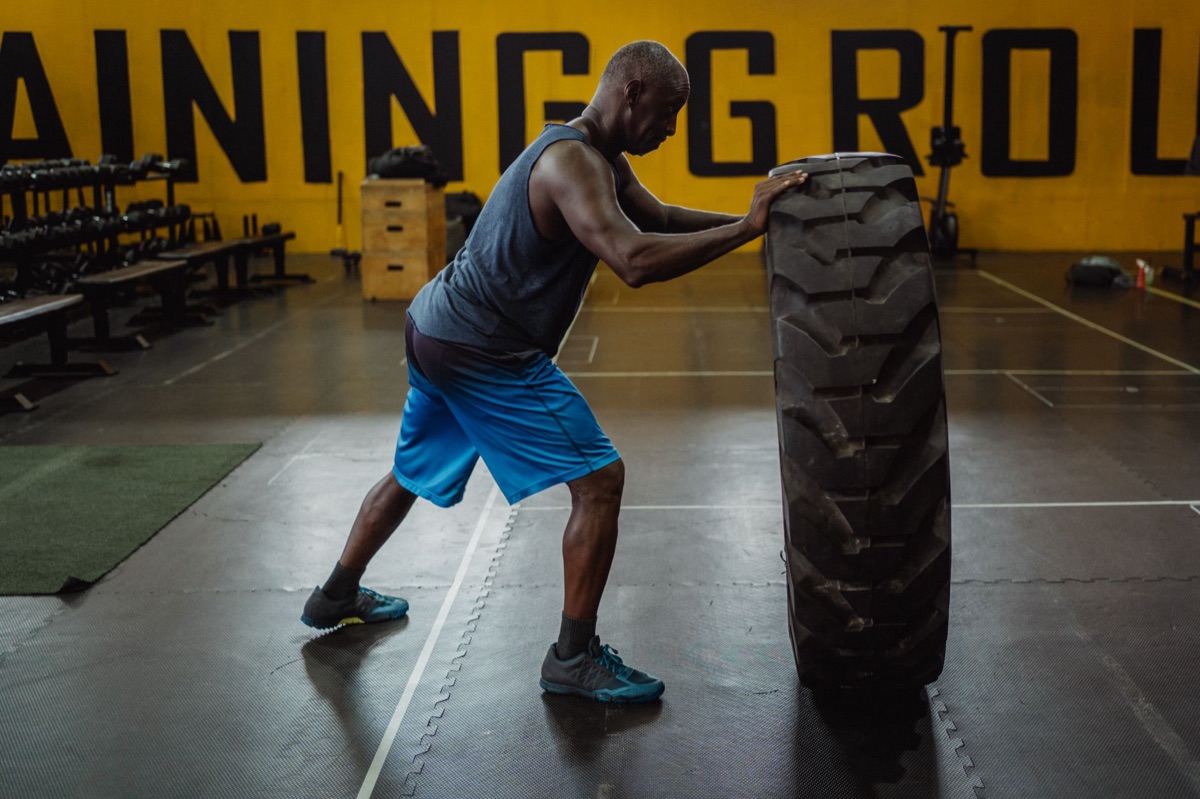
What exactly is Hyrox and how does the race work?
The fluorescent lights hum overhead as you tighten your laces, the sound of heavy breathing and rhythmic footsteps filling the indoor arena. You take a breath, knowing that the next hour will test every ounce of your resolve.
Hyrox is an indoor fitness competition that combines 8 km of running with 8 functional workout stations. According to Wikipedia, the structure is highly repetitive and predictable: participants run 1 km (0.62 mi), followed by one functional exercise station, repeated eight times.
This alternating pattern ensures that you are never just running or just lifting; you are constantly shifting between aerobic and anaerobic states.
The goal is to complete the entire course in the fastest time possible. Because the movements are standardized, the winner is often determined by how well they manage their pacing.
Unlike some sports that require massive strength or complex gymnastics, Hyrox is a HIFT (High-Intensity Functional Training) modality.
As noted in Frontiers in Physiology (2025), the sport places an emphasis on endurance capacity with moderate to low requirements in terms of maximum strength, coordination, and mobility when compared to other forms of HIFT. This makes it accessible to a wide range of fitness enthusiasts.
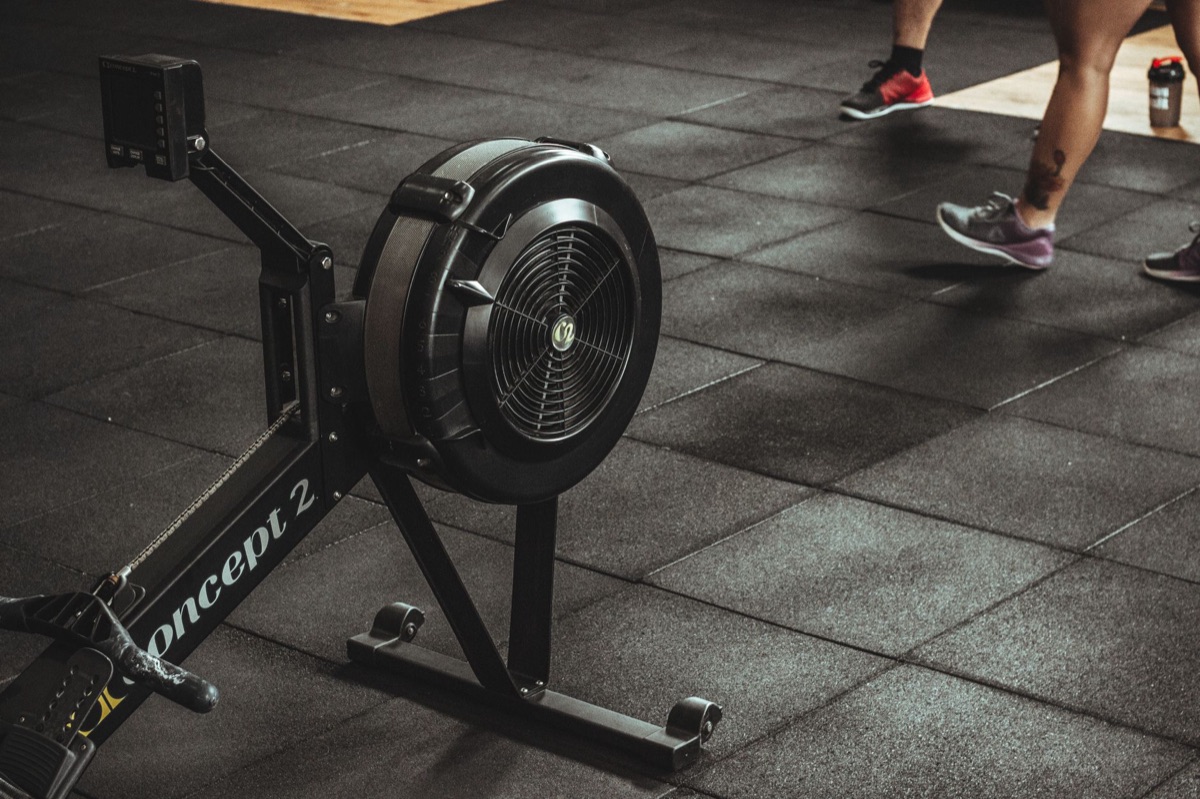
What equipment and gear do beginners need to prepare?
You stand in the middle of a local gym, looking at a pair of heavy lifting shoes and a pair of thin racing flats, wondering which will help you survive the transition from the treadmill to the sled push.
Choosing the right gear is the difference between a smooth race and a painful realization halfway through. Because the race involves both running and functional movements, you need "hybrid" shoes.
Look for footwear that provides enough cushioning for an 8 km run but remains stable enough for movements like lunges or wall balls. If the shoe is too soft, your ankles might wobble during the functional stations; if it is too stiff, your legs will feel like lead during the run segments.
For apparel, focus on moisture-wicking, compression-friendly clothing. You will sweat heavily during the transitions, and heavy, soaked cotton can cause chafing or weight issues.
Additionally, consider the following: * Grip Strength: While you don't need specialized gloves, having calloused or strong hands is vital for the rowing and pulling stations.
* Heart Rate Monitors: Using a wearable device is essential for tracking your intensity zones during training to ensure you aren't overtraining.
How should a beginner structure their training routine?
The alarm clock rings at 5:30 AM, and the floor feels cold against your feet as you prepare for a long, steady run through the neighborhood. This is the foundation of your engine.
To succeed, you cannot just train for one thing. You need a balanced approach that builds your engine while preparing your muscles for the specific movements of the race. A beginner's plan should follow these three distinct phases:
- Phase 1: Building the Aerobic Base: This is the foundation. Focus on consistent 5km to 8km running intervals. You need to build the ability to run efficiently without gasping for air. 2. Phase 2: Station Specificity: Once your engine is running, you must master the 8 movements. This includes Sled Pushes, Sled Pulls, Burpee Broad Jumps, Rowing, SkiErg, Farmers Carry, Sandbag Lunges, and Wall Balls. 3. Phase 3: The "Compromised Running" Drill: This is the most important phase. You must practice running immediately after high-intensity functional work. This teaches your body to handle the "heavy leg" feeling that occurs during the race.
Weekly Split Example | Day | Training Focus | | :--- | :--- | | Monday | Running-focused work (Intervals/Speed) | | Tuesday | Functional strength (Station-specific movements) | | Wednesday | Active Recovery (Walking or Light Mobility) | | Thursday | Running-focused work (Steady State) | | Friday | Functional strength (Full Body) | | Saturday | Full Simulation (The "Compromised" Drill) | | Sunday | Full Rest |
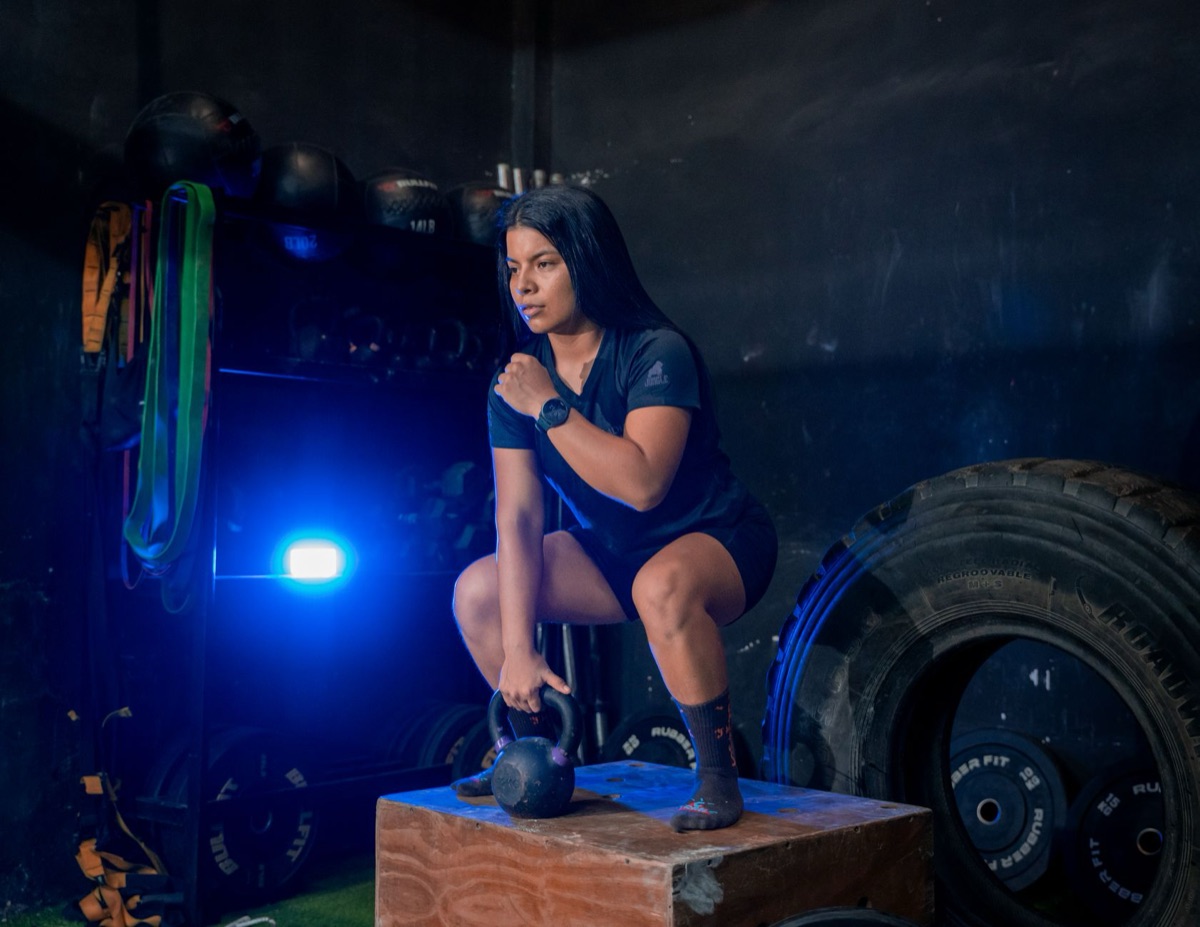
What are the most common mistakes to avoid during training?
You finish a heavy set of lunges, your legs shaking, and you immediately step onto the treadmill. The sudden shift in heart rate makes your head spin, and you realize you've made a tactical error.
The biggest trap in Hyrox is neglecting the "Run-Station-Run" transition. Many people train for running and strength separately, but the race is about the transition. If you don't practice the shift from an aerobic state to an anaerobic state, you will struggle to find your rhythm during the race.
Another common error is over-training for maximum strength. While being strong helps, Hyrox is an endurance-based sport. If you spend all your time hitting personal records on a heavy squat, you might lack the cardiovascular capacity to finish the 8 km run.
This leads to poor pacing—starting the first 1 km run too fast and burning out before the first station. Finally, do not ignore recovery. The combination of high-volume running and functional movements can lead to overuse injuries if you do not allow your body to repair itself.
How can I improve my technique and prevent injury?
The weight of the sled feels immense, and your lower back begins to ache as you try to push it across the turf. You realize that your form is slipping because you are rushing.
To stay healthy and fast, you must prioritize form over speed. During movements like the Sled Push or Wall Balls, ensure proper squat depth and core engagement. If your form breaks down, you risk back strain or knee injuries.
Because the movements are repetitive, mobility work is non-existent—it is mandatory. Focus heavily on hip and ankle mobility to handle the repetitive impact of running and the deep lunges required in the stations.
Using "active recovery" is also a vital tool. Instead of sitting on the couch all day after a hard session, use low-intensity movement—like a light walk or easy cycling—to manage fatigue and blood flow. This helps your muscles recover faster for the next high-intensity bout.
Step-by-Step Beginner Training Progression 1. Assess your baseline: Run 1 km and perform a set of lunges to see how your heart rate responds. 2. Build the engine: Increase your weekly running mileage gradually. 3.
Integrate the movements: Add one functional station to the end of your runs once a week. 4. Simulate the race: Once every two weeks, perform a "mini-Hyrox" (e.g., 4 rounds of 500m run + 1 station). 5.
Refine and Repeat: Adjust your intensity based on how your body feels during the transitions.




Comments 0