Sport adoption strategy: New sport ecosystem building tips
"The health of a system relies on the stability of its natural foundations rather than the aggressive pursuit of immediate yields."
Building a new sport ecosystem requires balancing growth with long-term sustainability to prevent resource exhaustion. This guide explores how to establish stable frameworks, manage risk through controlled harvesting, and mitigate environmental threats to ensure longevity.
Key takeaways include managing risk-to-yield ratios, addressing habitat degradation, and protecting natural populations.
How to initiate a new sport ecosystem?
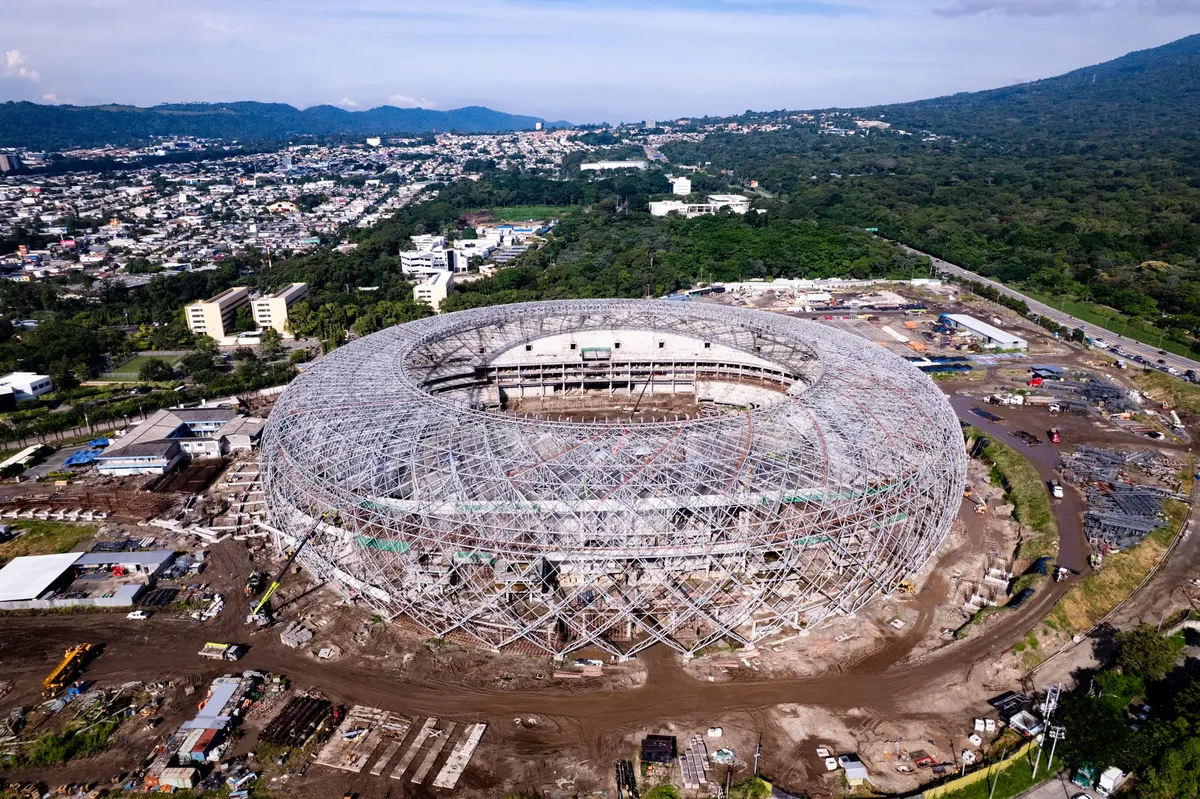
At dawn, she kneels in the soft mud of the riverbank to sketch the boundaries of a new sport.
A person stands at the edge of a vast, untouched field, marking the boundaries for a new community activity. Establishing a foundation for a new sport requires understanding the natural resources that will support it.
For those looking at natural environments, it is vital to recognize that more than 80% of the world's commercial exploitation of fish and shellfish are harvested from natural occurring populations in the oceans and freshwater areas.
Effective new sport ecosystem building begins with assessing these existing natural assets. If the sport relies on biological resources, the initial phase must focus on the preservation of the environment that hosts these organisms.
Failure to protect the base of the ecosystem can lead to rapid depletion.
A researcher examines a map of coastal regions, noting the delicate balance of the local ecosystem. To ensure a sustainable sport adoption strategy, players and organizers must work within the natural limits of the environment.
Without a clear understanding of the baseline, any attempt to introduce a new activity risks destabilizing the very environment it seeks to utilize.
How to manage risk during growth? New sport ecosystem building
An organizer watches a group of participants push for higher intensity, noting the potential for overextension. When managing the growth of a new sport, it is easy to pursue maximum participation or output, but this can lead to instability.

In North Sea fisheries, it was found that fishing at the top of the "acceptable" ranges is many times more risky than fishing near the bottom, but delivers only 20% more yield.
This ratio demonstrates that aggressive expansion often brings disproportionate risks compared to the marginal gains achieved. To maintain a healthy sport community, planners should prioritize stability over peak volume.
A controlled growth model helps prevent the sudden collapse of interest or resource availability.
A strategist compares two different growth models on a clipboard, looking for the safest path forward. Building sports community longevity relies on avoiding the "high-risk, low-reward" trap of over-exploitation.
By aiming for the bottom of acceptable ranges, you create a buffer that protects the ecosystem from sudden shifts.
How to protect the environment from threats?
A field worker clears debris from a local waterway, observing the impact of human presence on the landscape. Protecting the environment is a core component of new sport market entry, especially when the activity is nature-based.
When looking at inland fisheries globally, disaggregation by threat category revealed that the most widespread threat is habitat degradation (54% of basins), followed by pollution (27%), climate and weather impacts (14%), and invasive species.
These statistics highlight that human-induced changes to the environment are often the primary drivers of ecosystem instability. For a new sport to thrive, organizers must implement strategies to mitigate these specific threats.
Addressing habitat degradation early can prevent the loss of the spaces where the sport takes place.

A volunteer plants native vegetation along a riverbank to prevent erosion. Sustainable sport growth requires active management of pollution and climate-related impacts. By addressing these threats, players can ensure that the environment remains viable for future generations.
What are the steps for ecosystem integration?
A local leader meets with community members to discuss the integration of a new activity into the local landscape. Integrating a sport into an existing environment requires a structured approach to ensure it does not harm the host.
- Assess the current state of the natural resources to establish a baseline for activity levels. 2. Implement usage limits that prioritize the health of the environment over maximum participation. 3. Develop a monitoring system to track the impact of the sport on the local habitat and species.
After completing these steps, perform a final check to see if the activity is causing unforeseen environmental stress. I found that comparing these initial baseline measurements to current usage levels is the most effective way to prevent over-exploitation.
A participant carefully steps around a delicate plant, following the established path. If the sport is being introduced into a sensitive area, the risk of habitat degradation must be the primary concern.
How to handle existing environmental conditions?
A scientist takes water samples from a lake, checking for signs of ecological stress. When a new sport is introduced into an area already facing challenges, the existing conditions must dictate the rules of engagement.
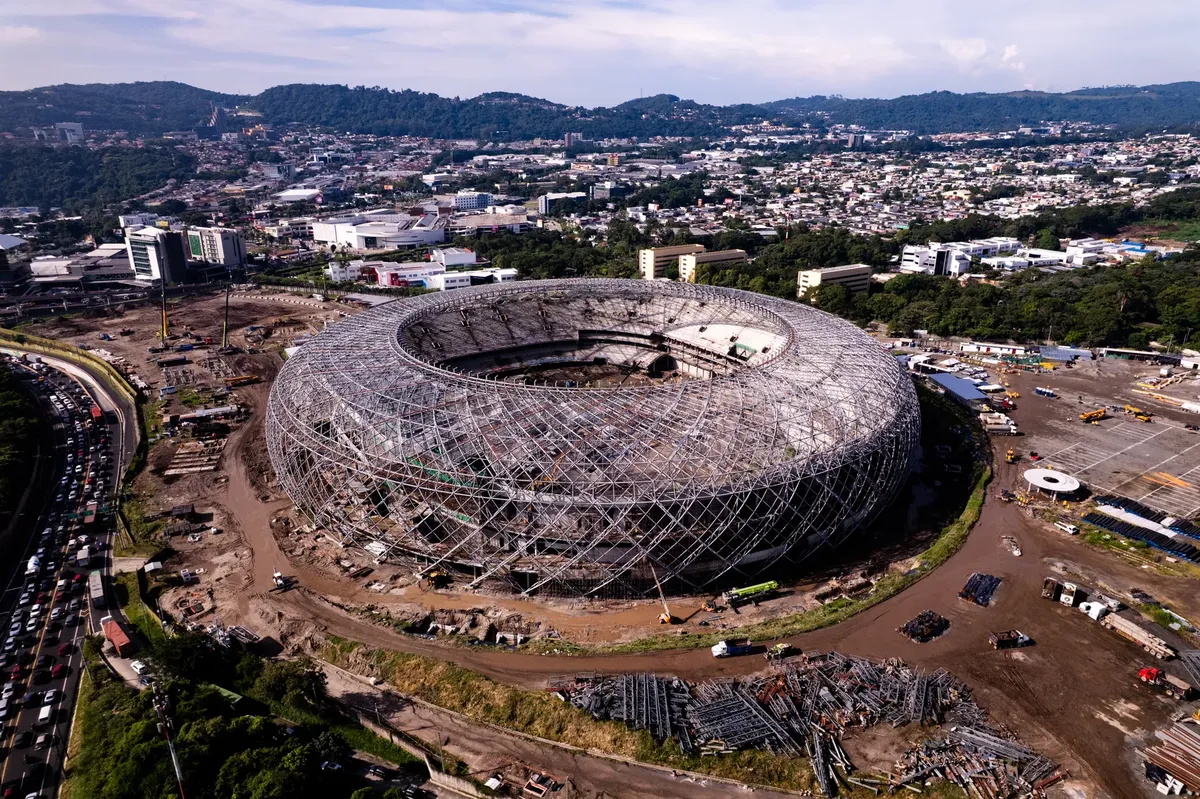
If the area is already suffering from habitat loss or pollution, the new activity must be designed to be low-impact. For example, if a sport relies on a specific aquatic habitat, the potential for further degradation must be minimized through strict regulations.
A group of hikers stays on a marked trail to avoid trampling local flora. A limitation of these strategies is that they cannot fully compensate for environments that are already experiencing severe habitat degradation or high levels of pollution.
- How to initiate a new sport ecosystem?
- How to manage risk during growth?
- How to protect the environment from threats?
This part also covers Industry approach for new sports.
This part also covers Consumer engagement in sports.
Local community sport integration
Related




Comments 0