How to master basic stretching techniques?
A gentle pull on a muscle can feel like a relief, but without the right approach, it can lead to strain.
This guide covers foundational techniques, common mistakes to avoid, and the practical benefits of a regular routine.
Key takeaways: 1. Focus on controlled, slow movements rather than sudden jerks. * Maintain proper breathing to help muscles relax. * Distinguish between static and dynamic movements for different needs.
How to master basic stretching techniques?
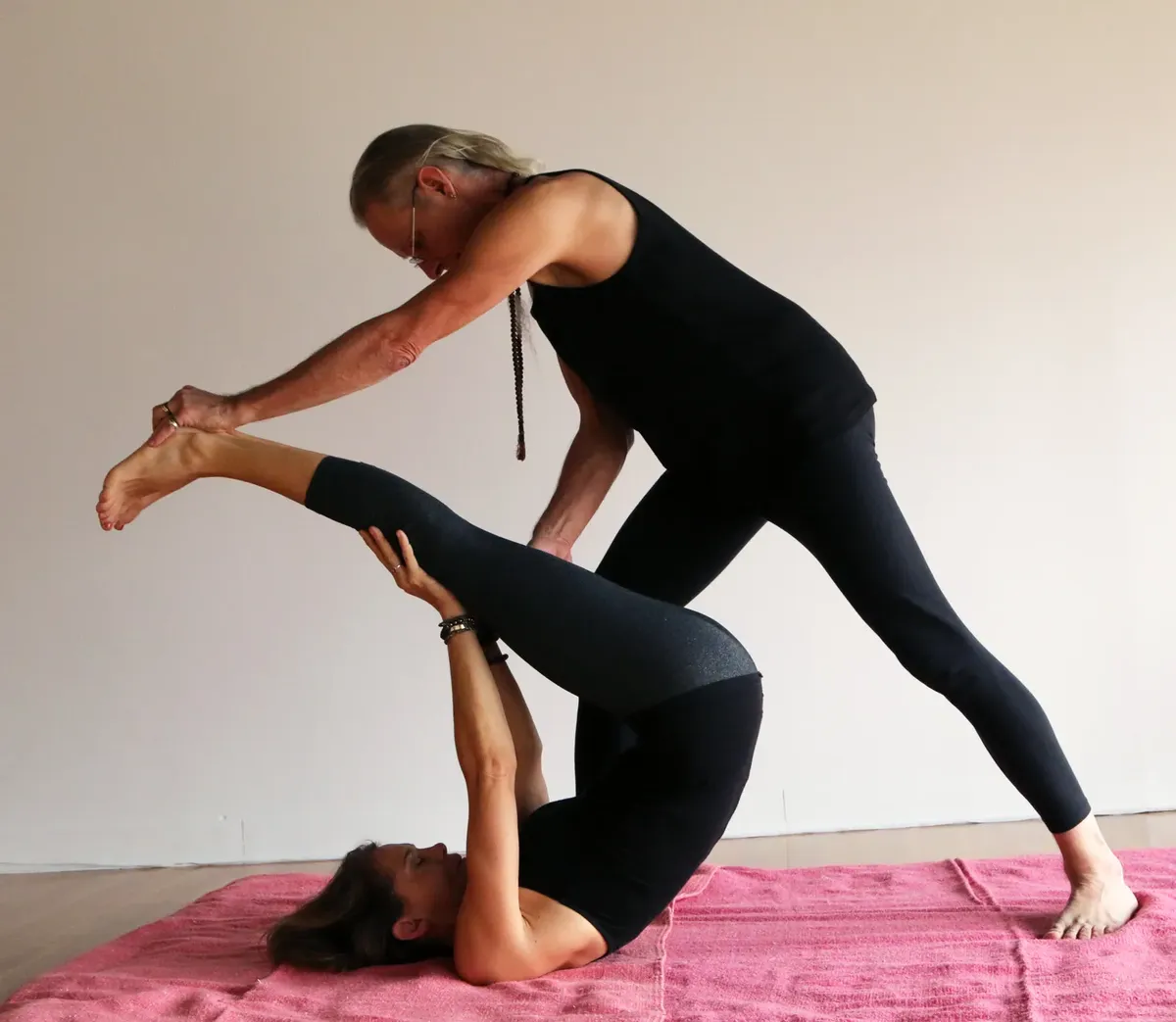
In the quiet morning light, I slowly reach for my toes to master the gentle pull of a deep hamstring stretch.
This fundamental movement requires patience and a steady breath to be effective.
- Find a comfortable position, such as sitting on the floor or standing against a wall, to ensure stability. 2. Move into the stretch slowly until you feel a gentle tension in the target muscle group. 4. Hold the position for a set duration while breathing deeply to allow the body to settle.
I remember my first attempt at a deep hamstring stretch; I realized that pushing too hard immediately caused tension rather than release. Learning to listen to the body's signals is the most important part of the process.
What are the primary stretching benefits for health?
At sunset, I sit on the park bench and feel a soothing release as I master my mobility through careful movement.
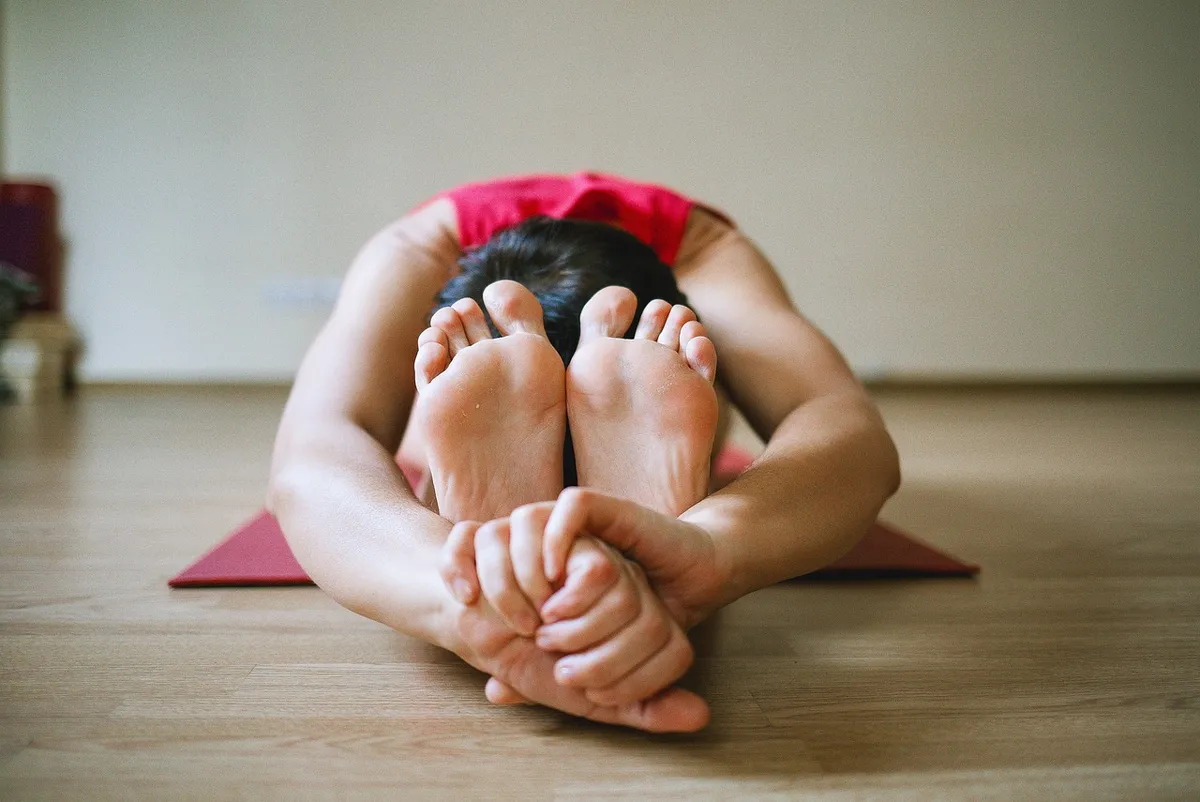
A runner sits on a park bench, gently massaging a calf muscle after a long jog. This moment of recovery highlights how movement affects the body.
Stretching serves to improve the functional range of motion in joints and can help alleviate muscle tightness. Regular practice helps prepare the body for physical activity and can assist in maintaining mobility during daily tasks.
By targeting different muscle groups, individuals can support better posture and overall physical wellness.
How to start stretching safely?
An individual sits on a yoga mat, carefully adjusting their posture to ensure balance. They focus on the sensation of the stretch without overextending.
When starting a new routine, it is vital to prioritize safety to prevent injury. Follow these guidelines to ensure a smooth introduction to the practice:
- Warm up the body with light movement, such as walking, before attempting deep stretches. 2. Avoid bouncing or using jerky movements, as this can cause micro-tears in the muscle tissue. 3. Keep the movements within a range that feels safe and manageable.
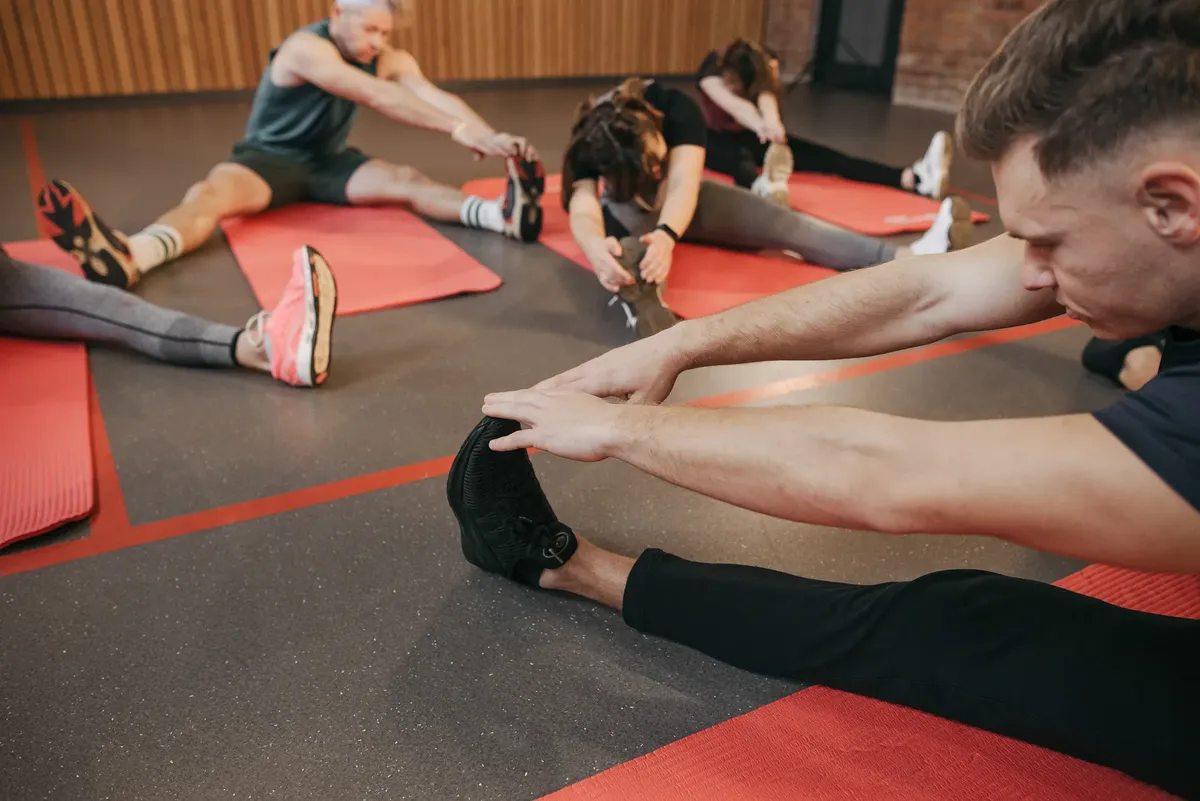
A final check involves ensuring that no sharp pain is felt during any movement. If pain occurs, the intensity should be reduced immediately.
Common mistakes in stretching methods
A person reaches for their ankles but stops short, realizing they were pulling too forcefully. This visual serves as a reminder of the risks of improper form.
One common error is forcing a stretch beyond the body's current capability in an attempt to achieve results quickly. Another mistake is holding the breath, which can increase tension and prevent the muscles from relaxing into the stretch.
It is also important to avoid stretching cold muscles without any prior warm-up.
Applying stretching to daily life
An office worker stands up from a desk to perform a quick side stretch. This brief moment of movement breaks the monotony of a sedentary workday.
For those with a sedentary lifestyle, integrating short stretching breaks can help mitigate the effects of sitting for long periods. You can apply these techniques to specific areas like the neck, shoulders, or lower back to relieve daily tension.
| Method Type | Primary Focus |
|---|---|
| Static Stretching | Holding a position to lengthen muscles |
| Dynamic Stretching | Using controlled movement to prepare for activity |
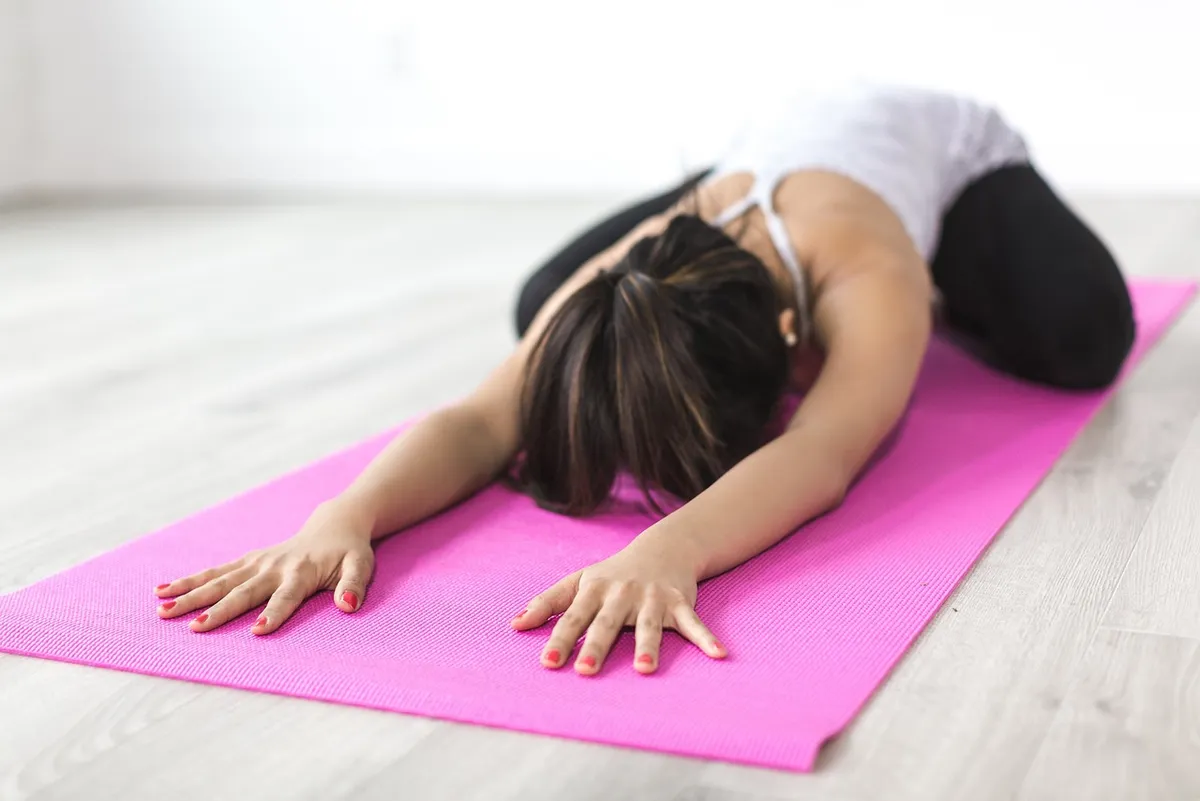
- To effectively stretch, you need controlled movements and consistent practice to boost flexibility and range of motion.
- A person stands in a quiet room, reaching toward their toes with a slow, deliberate motion.
- To begin incorporating these movements into a routine, follow these foundational steps:
Related
- Stretching equipment pros and cons: Guide to choosing tools
- What are the historical rules of sport selection?
When is a gentle pull more beneficial than a hard stretch? When a gentle pull is applied, the body responds by seeking a controlled release, which is different from the acute stress induced by a forceful stretch. This gentle pull encourages muscle accommodation, allowing for improved flexibility over time. The difference lies in the intent; the gentle pull aims for relaxation, whereas a hard stretch risks creating strain.
This distinction is crucial when differentiating between static and dynamic movements. A gentle pull aligns more closely with the sustained, controlled nature of static stretching, promoting deeper tissue engagement.
Conversely, dynamic movements rely on controlled motion to prepare the muscles for action, which is a different physiological response entirely.
Practicing a gentle pull allows the individual to become acutely aware of the body's limits, which is a key component of safe stretching. Recognizing when a gentle pull transitions into discomfort signals the need to cease the action immediately, preventing potential injury.
How does the gentle pull compare to a static hold? When a gentle pull is utilized, the body experiences a gradual lengthening, contrasting with the sustained isometric tension of a static hold. The gentle pull encourages a more active engagement with the muscle fibers, whereas a static hold relies on maintaining a fixed, prolonged stretch. This difference in application dictates the physiological response the muscle undergoes.
The gentle pull allows for a more nuanced awareness of the muscle's current state, providing feedback that a rigid static hold might obscure.
If the gentle pull begins to elicit sharp pain, the practitioner must immediately cease the action, mirroring the caution advised against forcing a stretch beyond capability. This responsiveness is a key advantage of the gentle pull.
Conversely, while static stretching aims for a specific lengthened state, the gentle pull facilitates a journey toward that state through controlled, incremental effort. This gradual progression helps the muscle accommodate the stretch more safely than an immediate, intense static application.
What conditions necessitate a gentle pull over a hard stretch? When muscles exhibit high levels of acute tension or stiffness, a gentle pull proves more beneficial than a hard stretch. This condition suggests that the muscle requires coaxing toward relaxation rather than being subjected to immediate, forceful elongation. The gentle pull respects the muscle's current resistance.
If an individual feels tightness that resists immediate deep stretching, employing a gentle pull allows for a controlled introduction to the necessary range of motion. This gradual approach mitigates the risk of the micro-tears associated with sudden, forceful movements.
It aligns with the principle of listening to the body's signals.
Furthermore, for muscles that have not been adequately warmed up, a gentle pull provides a safer entry point into flexibility work. This cautious application prevents the strain that can result from applying significant force to cold muscle tissue.





Comments 0