Essential cycling gear guide: Weight of 22 kg draisine
"The history of cycling is written in the evolution of weight, balance, and utility, from wooden frames to heavy-duty military transport."
Choosing the right gear involves understanding the historical balance of weight and utility to ensure comfort and efficiency. This guide covers the fundamentals of equipment, from understanding historical design to modern load capacities.
Key takeaways include managing weight, understanding structural design, and understanding load-bearing requirements.
How to select an essential cycling gear guide?
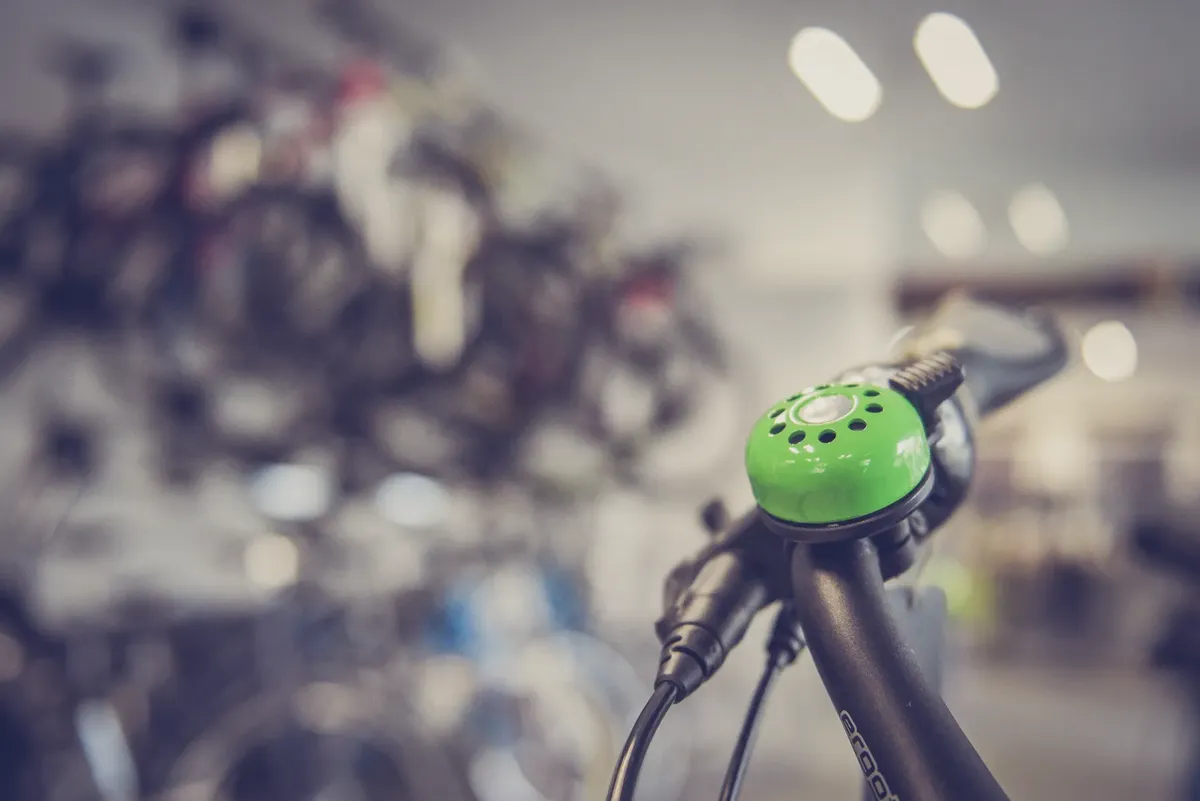
At dusk, I grip the cold metal handlebars while studying a vintage cycling gear guide to understand weight distribution.
A rider grips the handlebars of a vintage-style frame, feeling the weight and the grip of the tires. Selecting the right equipment requires looking at how design affects movement and stability.
Early machines like the draisine were constructed almost entirely of wood and weighed 22 kg (48 pounds). These early models featured brass bushings within the wheel bearings and iron shod wheels to manage the terrain.
Understanding these mechanical foundations helps in choosing modern components that prioritize smooth bearing movement and reliable braking.
An essential cycling gear guide focuses on the relationship between weight and control. The draisine included 152 mm (6 inches) of trail of the front-wheel for a self-centering caster effect. Modern riders should look for similar stability in steering geometry when selecting a new bicycle.
What defines must have riding gear?
A person adjusts their seat while looking at a sturdy, classic frame designed for long distances. Identifying must have riding gear involves recognizing the influence of historical design on modern ergonomics.
In 1895, 85 percent of all bikes bought in the Netherlands were from Britain. The vestiges of that influence can still be seen in the solid, gentlemanly shape of a traditional Dutch bike even now. This design philosophy emphasizes durability and a stable riding position.

When searching for must have riding gear, consider how regional design influences the shape and feel of the bike. A solid frame provides the reliable foundation needed for daily commuting or long-distance touring.
What is the beginner cycling equipment checklist?
A beginner stands next to a new bicycle, checking the tire pressure and the seat height. A beginner cycling equipment checklist should prioritize structural integrity and the ability to carry necessary supplies.
Historical military use shows the importance of carrying capacity in bicycle design. Japanese bicycle troops were efficient in both speed and carrying capacity, as they could carry 36 kilograms (79 lb) of equipment compared to a normal British soldier, who could carry 18 kilograms (40 lb).
This distinction highlights how specialized gear can significantly impact utility.
A beginner cycling equipment checklist should account for the weight of personal items. Choosing a frame that can handle specific loads is vital for those planning to carry gear during rides.
How to approach basic bike gear selection?
A rider secures a heavy bag to a rear rack, testing the balance of the bicycle. Effective basic bike gear selection requires a balance between the weight of the bike and the weight of the rider's load.
Early riders faced significant weight challenges, such as the 22 kg (48 pounds) draisine. Modern gear selection aims to mitigate these heavy weights while maintaining the control found in early designs.
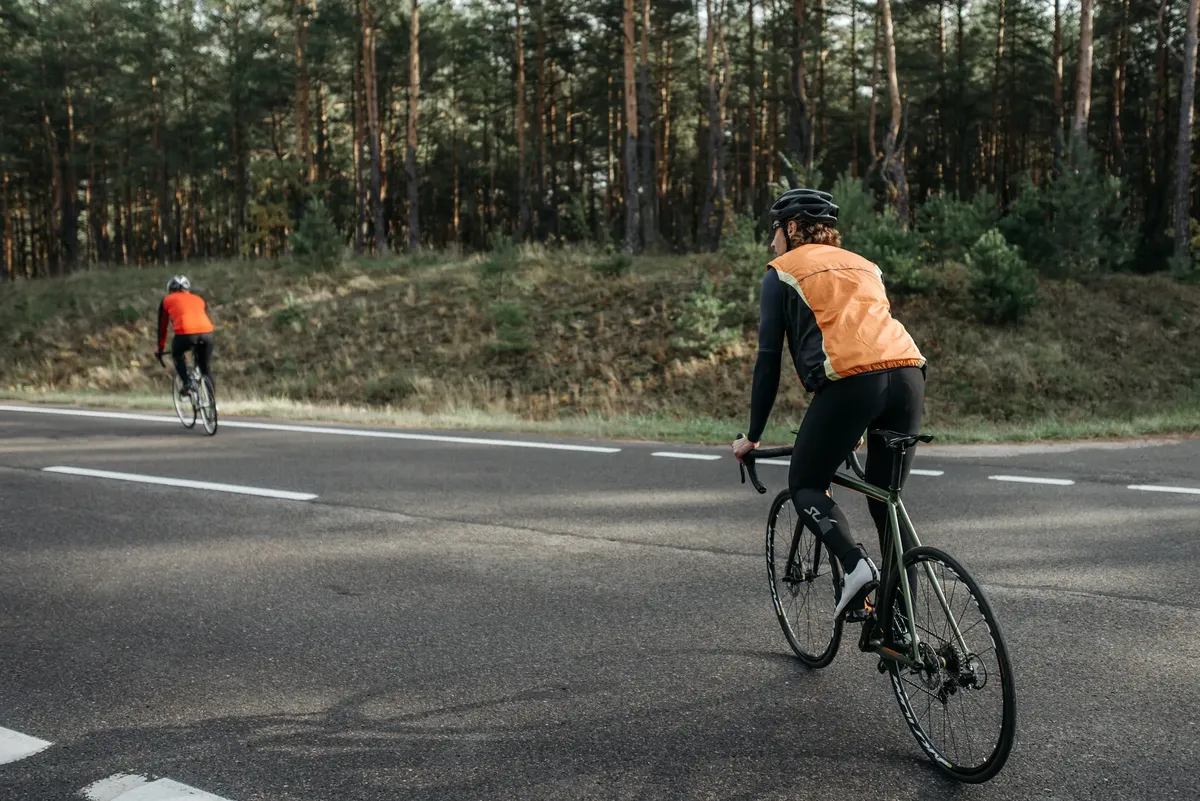
Basic bike gear selection should involve evaluating the frame's strength against the intended load. Ensuring the bike can handle the weight of equipment allows for more versatile riding.
What are the tips for smart cycling gear selection?
A cyclist examines the components of a well-built machine, noting the precision of the parts. Smart cycling gear selection involves understanding the history of production and the reliability of specific brands.
In 1946, Raleigh and other English bicycle manufacturers accounted for 95% of the bicycles imported into the United States. This massive market share suggests a standard of reliability that influenced global riding habits.
Smart cycling gear selection often looks toward established manufacturing standards. Picking equipment with a history of widespread use can provide peace of mind regarding parts availability and durability.
How to manage riding loads and weight?
A rider lifts a heavy equipment bag, testing the strength of the bicycle frame. Managing loads is a critical part of selecting gear for specific tasks.
Using the comparison of historical troop capacities, it is clear that specialized equipment can double the carrying capacity of a rider. Japanese bicycle troops could carry 36 kilograms (79 lb) of equipment, which was double the 18 kilograms (40 lb) carried by a normal British soldier.
| Troop Type | Equipment Capacity |
|---|---|
| Japanese Bicycle Troops | 36 kilograms (79 lb) |
| British Soldier | 18 kilograms (40 lb) |

I compared these historical capacities to understand how much weight a modern frame might need to support. Selecting gear involves matching the bike's capacity to your specific needs.
A limitation of these historical comparisons is that they reflect specific military utility rather than modern recreational riding conditions.
- How to select an essential cycling gear guide?
- What defines must have riding gear?
- What is the beginner cycling equipment checklist?
The same subject is also called Cycling gear checklist.
This part also covers How to choose bike gear.
Related
- How to choose outdoor gear for track and field?: 110 meters
- Tennis Racquet Guide: Choosing the best weight for your game
How does the history of cycling inform modern stability requirements? Cycling gear selection requires understanding the foundational elements of early machines, such as the draisine. The draisine’s construction, which featured brass bushings within the wheel bearings, demonstrates the early focus on smooth movement. The presence of iron shod wheels allowed these early models to manage varied terrain effectively. Furthermore, the draisine’s 152 mm trail of the front-wheel provided a self-centering caster effect, which directly relates to modern steering geometry. When choosing a new bicycle, riders should seek similar geometric stability to replicate the control inherent in these historical designs.
What cautions apply when comparing historical load capacities? Managing riding loads involves considering the specific utility for which the cycling gear is intended. The comparison between Japanese bicycle troops and normal British soldiers clearly illustrates the impact of specialized equipment on carrying capacity. While the Japanese troops could carry 36 kilograms of equipment, which was double the 18 kilograms carried by the British soldier, this comparison holds specific limitations. These historical comparisons reflect military utility rather than the conditions of modern recreational cycling. Therefore, selecting gear requires matching the bike's capacity to the specific needs of the rider, rather than solely relying on historical military benchmarks.
Wikipedia: History of the bicycle




Comments 0