What are the primary engine classifications?
"The rules of the track define the limits of the machine and the spirit of the race."
Understanding NASCAR race rules explained requires looking at the intersection of engineering, timing, and strict regulatory oversight. This guide covers engine classifications, inspection protocols, and practice schedules to help fans navigate the complexities of professional stock car racing.
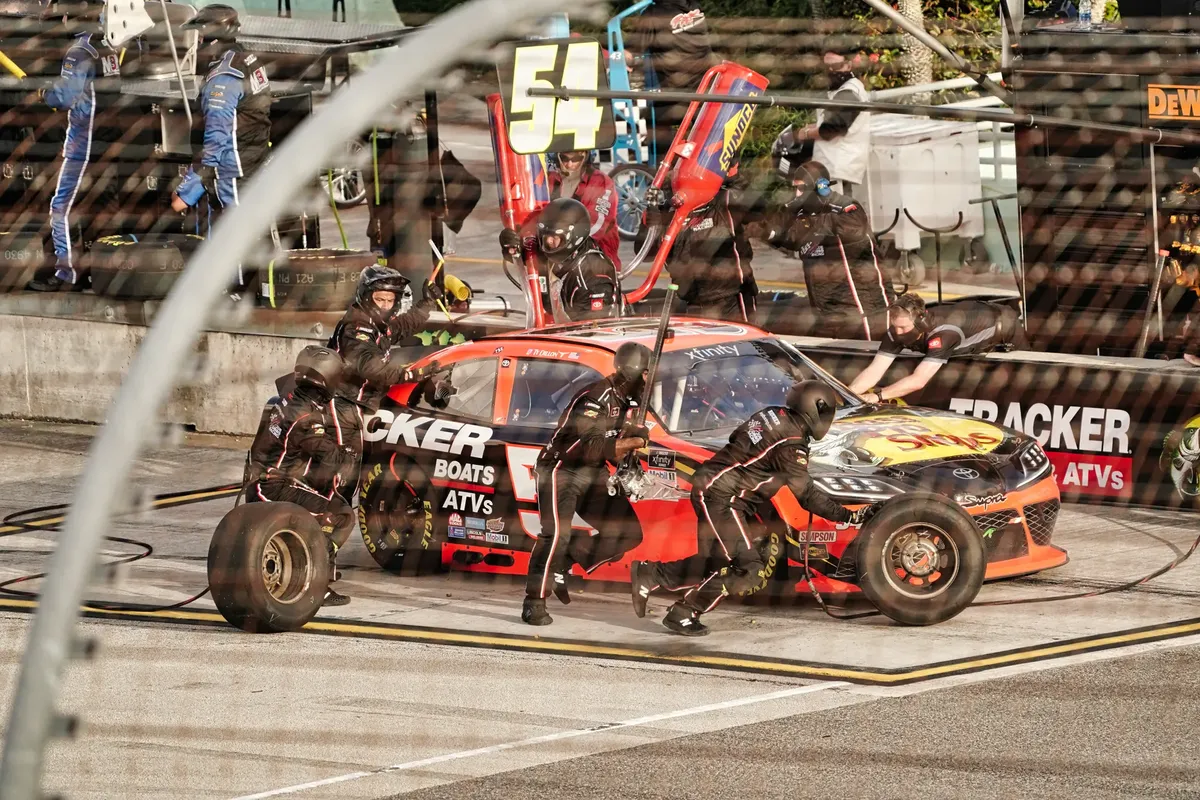
Key takeaways: * Engine classifications are determined by track type and banking. * Post-race inspections often target podium finishers and random selections. * Practice durations vary based on specific race formats and technical needs.
What are the primary engine classifications?
A mechanic adjusts a fuel line while looking toward the heavy banking of a high-speed oval. Under the 2026 rules, engines are categorized into three distinct groups to ensure competitive parity across different track layouts.
The first group covers road courses and ovals up to Darlington. The second group includes ovals over 1.5 miles with banking no higher than 25 degrees. The third group covers ovals over 1.5 miles with banking of 28 degrees or higher.
However, these classifications may vary depending on the specific racing series regulations.
How does the inspection process work? NASCAR rules and viewing guide
At midnight in the dim garage, the technician feels the cold metal as he begins the primary inspection of the engine components.
A technician wipes grease from a fender as officials prepare to transport a vehicle to a specialized facility. The National Association for Stock Car Auto Racing (NASCAR) makes and enforces numerous rules and regulations that transcend all racing series.
According to the Research and Development Center, podium cars, a random car, and the first car out also have their cars and engines taken by NASCAR for further inspection at the NASCAR Research and Development Center.
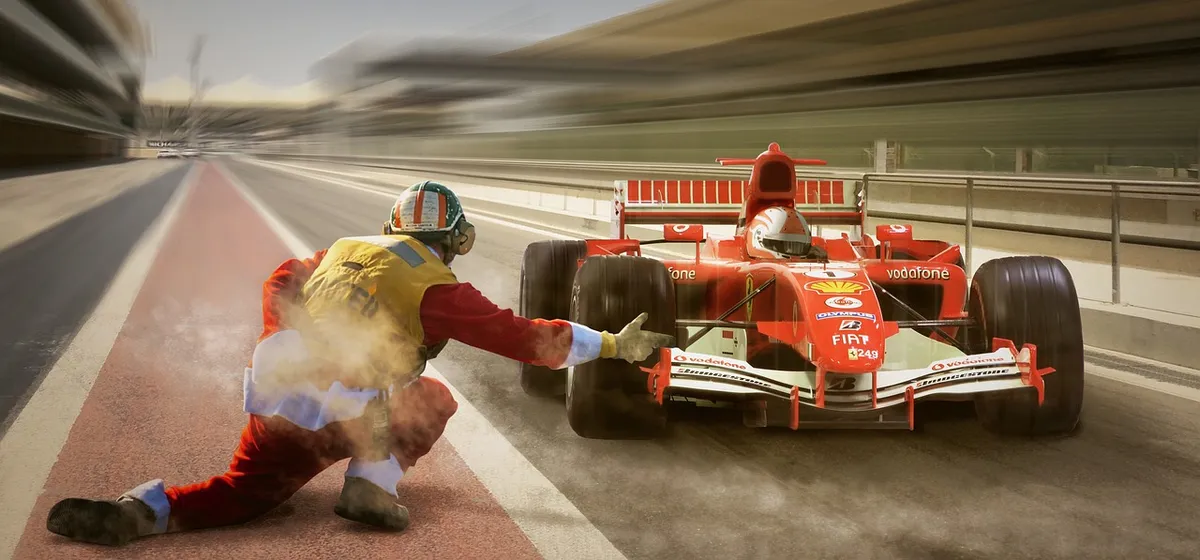
To maintain fairness, officials select specific vehicles for deep technical audits. Podium cars, a random car, and the first car out also have their cars and engines taken by NASCAR for further inspection at the NASCAR Research and Development Center.
This scrutiny ensures that the winning machines adhere to the strict technical specifications set for the season.
- Officials examine the vehicle components for compliance.
- Technicians verify that all parts meet technical specifications.
- The car receives final approval for track entry.
How is practice time managed?
A driver pulls into the pit lane, the smell of burnt rubber lingering in the air. Understanding NASCAR race strategy tips often involves knowing how much track time a team actually receives during a weekend.
The current format for the Cup series involves splitting the field into two groups, with each group getting 25 minutes on track. For the Xfinity and Truck Series, the group format used in the Cup series is not used, allowing all cars on track during their 25-minute practice.
NASCAR has also under certain circumstances expanded practice from 25 to 40 minutes if teams are overly concerned about tire wear, Goodyear brings a radically different tire to a race, or other unique circumstances.
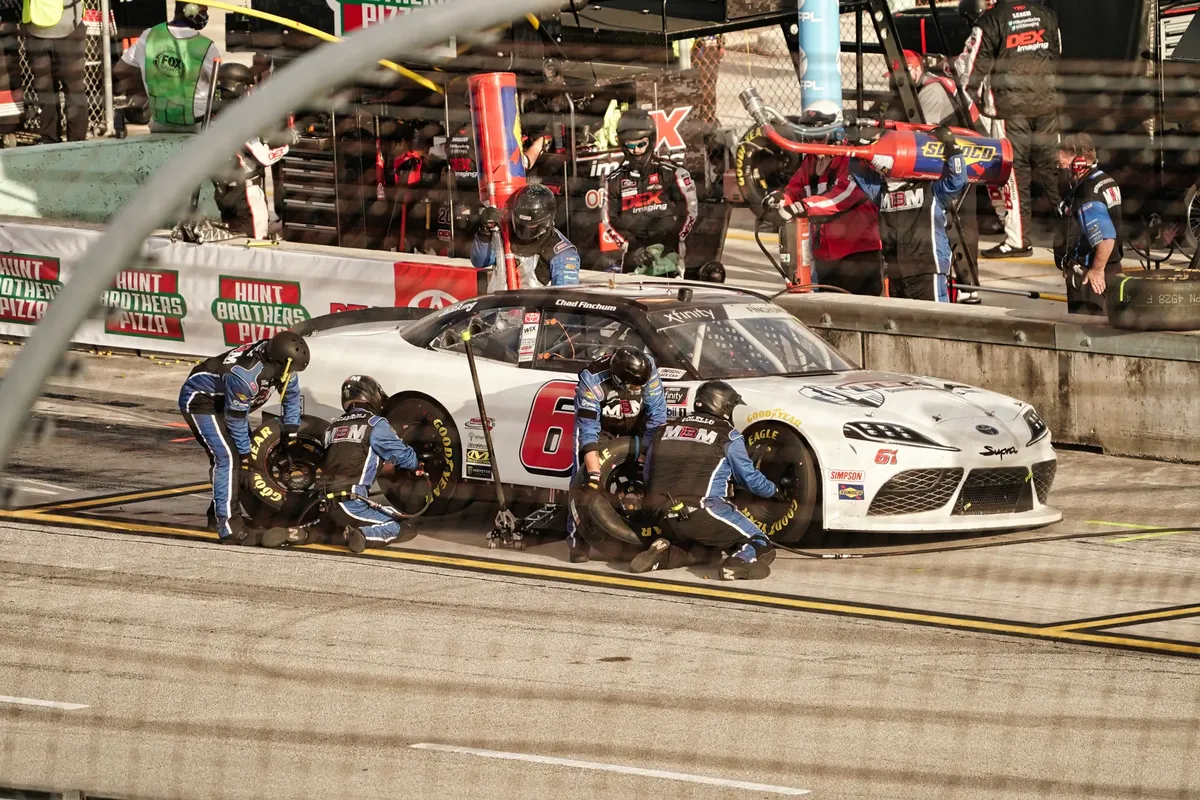
For 6-10 events a year, the schedule reverts to a more typical format with a 50-minute session on Friday, qualifying on Saturday, and the race on Sunday.
I find that the third step in the schedule requires the most coordination.
What are the administrative requirements for teams?
A team owner reviews a contract while a crew chief checks the weather forecast. Beyond the physical race, administrative precision is required to secure entry into specific events.
A race team must request the provisional at least 90 days before an event. This advance notice ensures that the field is organized and that technical requirements are met well in advance of the green flag.
This process does not apply to independent drivers operating without a formal team structure.
How to watch NASCAR and follow the race flow?
A fan leans forward in the grandstands as the engines roar to life. Following the race flow guide involves recognizing the sequence of pre-race activities that build tension before the start.
At 45 minutes before the start, driver introductions are conducted unless there is a lightning hold. While previous race weekends could last as long as four days with numerous practice sessions, modern schedules are often more streamlined.
Following the pandemic, the Cup series typically offers a 25-minute practice session.
| Practice Type | Duration | Condition |
|---|---|---|
| Standard Cup Practice | 25 minutes | Split group format |
| Expanded Practice | 40 minutes | Tire wear or unique circumstances |
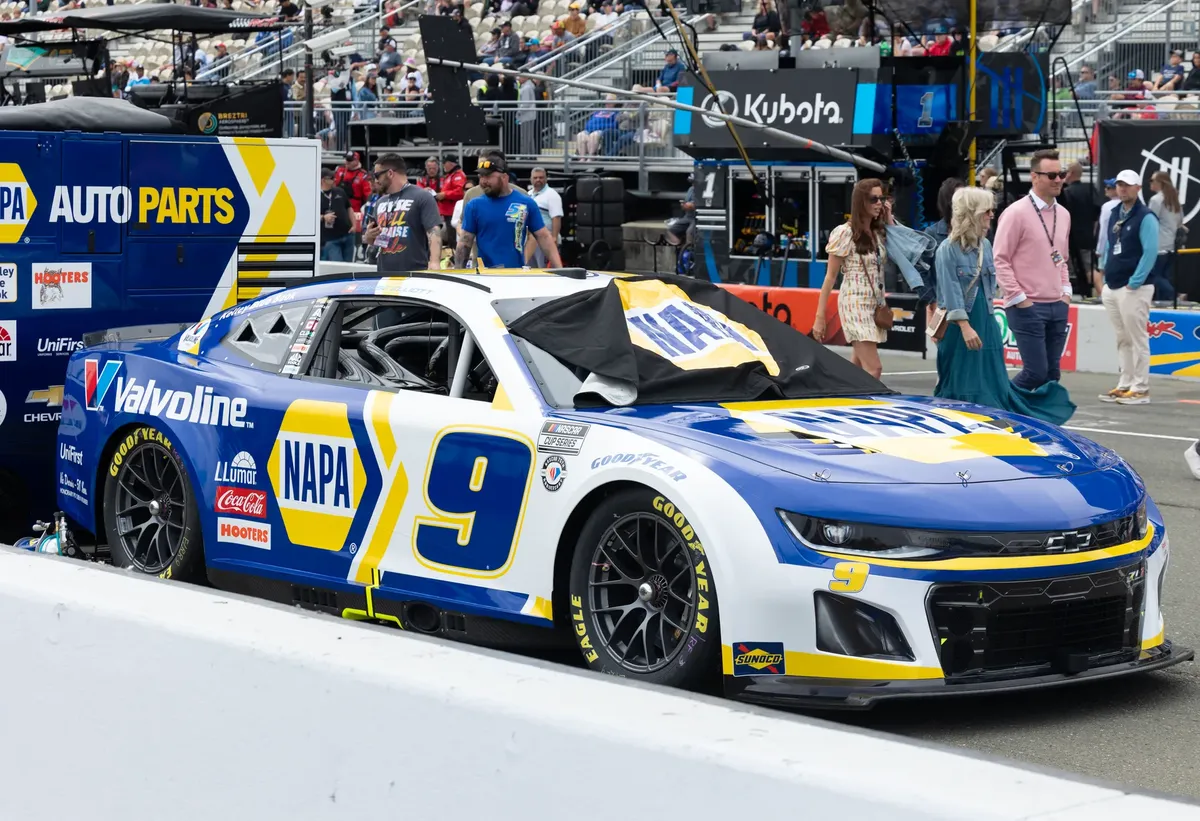
I remember watching a team scramble to adjust their setup during a limited 25-minute window, realizing how much every second counts in the modern era.
The effectiveness of following the live feed is limited during periods of low connectivity.
The subject here is NASCAR rules and viewing guide.
The same subject is also called Understanding NASCAR racing.
This part also covers Key NASCAR regulations overview.
This part also covers Best points to watch in NASCAR.
This part also covers NASCAR race flow guide.
Related
- Beginner bicycle safety tips: 80 percent energy guide
- Essential cycling gear guide: Weight of 22 kg draisine







Comments 0