Regional Identity Post-Covid sports industry shift how
"The landscape of global competition is shifting toward localized identity and structural parity."
The Post-Covid sports industry shift involves adapting to new demographic realities and regional governance standards. This guide explores how organizations navigate changing participation rates and professional certification to ensure long-term viability.
Key takeaways include understanding gender parity milestones, managing professional coaching qualifications, and adapting to regional identity shifts.
How does the Post-Covid sports industry shift affect gender representation?
A stadium announcer checks the microphone while looking at the updated roster of athletes. The transition from Tokyo 2020 to more recent games showed a clear trajectory in gender distribution.
At the Olympic level, women accounted for 49% at Tokyo 2020, reaching full 50 % parity at Paris 2024. This shift reflects a broader trend in how global sports organizations manage diversity and inclusion.
As organizers plan for future events, they must account for these shifting demographics to maintain engagement. This movement toward equality changes how sponsorship and media coverage are handled globally.
However, these shifts may not lead to permanent progress if structural barriers remain unchanged.
What are the professional coaching qualifications available?
A trainer grips a heavy pen at the desk during the late afternoon, marking a certificate to meet regional standards.
A coach sits at a wooden desk, reviewing a stack of certification papers. Understanding the different levels of training is essential for anyone looking to enter the field.
There are four qualifications in this family: Extended Certificate in Sports Coaching, Foundation Diploma in Sports Coaching and Development, Diploma in Sports Coaching and Development, and Extended Diploma in Sports Coaching and Development.
These varying levels allow for specialized training based on individual career goals.
Professional development remains a cornerstone of the industry as it seeks to standardize expertise. Trainers must choose the right path to meet local and international standards.
- Identify the specific coaching discipline required.
- Select a certification program that meets industry standards.
- Complete the necessary practical training and examinations.
How do regional identity changes impact sports governance?
An official brushes a hand over the textured paper at the office, feeling the weight of the new regional decree.

A local official signs a document that officially changes the name of a national federation. These administrative changes often signal a move toward more distinct cultural branding.
In 2009, Samoa changed from "Samoa Football (Soccer) Federation" to "Football Federation Samoa." Such shifts often reflect a desire to align with international naming conventions or to assert a specific national identity.
Localizing sports market trends requires understanding these historical and administrative shifts. Branding is a key tool for organizations to establish themselves in a changing global market.
I believe the third point regarding governance structures is the most complex.
How can we manage regional sports development?
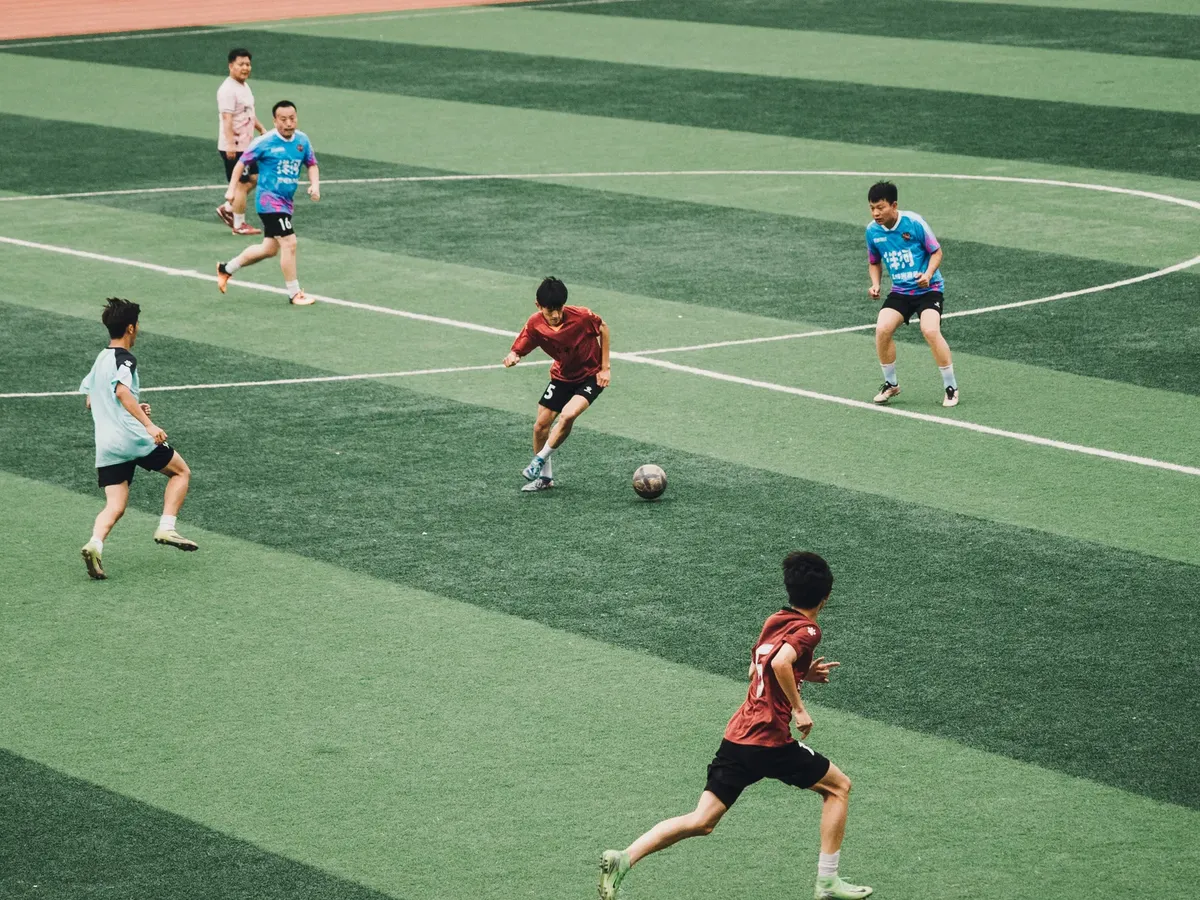
A community leader walks through a newly built local sports complex. Developing local talent requires a structured approach to training and administrative oversight.
A cultural sports strategy often involves navigating historical rules that once limited participation.
Until the mid-20th century, a person could have been banned from playing Gaelic football, hurling, or other sports administered by the Gaelic Athletic Association (GAA) if she/he played or supported Association football, or other games seen to be of British origin.
Modern sports development must overcome these historical constraints to foster inclusive growth. Regional sports development relies on creating environments where diverse participation is encouraged.
This approach is not applicable to regions lacking basic athletic infrastructure.
What are the tools for a successful sports industry change guide?
A sports administrator reviews a strategic plan on a tablet. Implementing change requires a clear understanding of both the rules of the game and the administrative framework.
Effective strategies often involve a mix of professional training and structural reorganization. For example, the four coaching qualifications listed earlier serve as a foundation for building a professional workforce.

Navigating these changes requires constant monitoring of both participation rates and regulatory updates. A solid plan ensures that the organization remains relevant to its community.
I find that the second step in this process requires the most coordination.
The subject here is Post-Covid sports industry shift.
This part also covers Sports tourism local strategy.
This part also covers Urban development sports impact.
This part also covers Economic effect of local sports.
Sports tourism local strategy
Related
- What are the essential steps for room organization?
- Beginner sports skills guide: How to start sports basics
How does the landscape of global competition relate to localized identity? 1. The shift toward localized identity suggests that regional governance standards influence how organizations operate. 2. Asserting a specific national identity is one outcome of administrative changes seen in sports federations. 3. Understanding historical and administrative shifts is necessary when localizing sports market trends.
This focus on localized identity contrasts with the broader scope of global competition, showing how regional needs shape international participation. The landscape of global competition is thus filtered through local cultural contexts.
The comparison between past restrictions and modern development highlights how local identity can evolve to encourage broader participation. Regional sports development must account for these evolving cultural narratives.




Comments 0