Beginner sports skills guide: How to start sports basics
"The foundation of any physical endeavor lies in mastering the fundamental mechanics before attempting complex maneuvers."
Mastering basic sports techniques for newbies requires a focus on foundational movement, proper equipment handling, and consistent practice.
This guide covers the essential elements of starting a new activity, provides a comparison of participation trends, and outlines how to progress through structured coaching levels.
What are the first steps for a beginner sports skills guide?

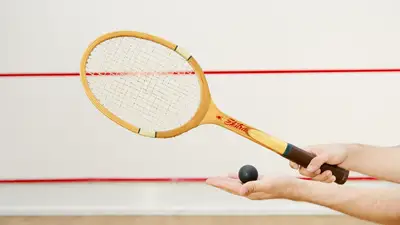
The beginner grips the heavy wooden bat at dawn, feeling the rough texture against their palms in the empty stadium.
A person stands on a quiet field, adjusting their grip on a piece of equipment while observing the wind. Starting a new activity requires learning how to control your body and your tools simultaneously.
Early stages of learning focus on repetitive, low-impact movements to build muscle memory. This helps prevent injury and ensures that the body adapts to new physical stresses.
A beginner sports skills guide should prioritize stability and balance. Without these, advanced maneuvers become impossible to execute safely.
Mastering these basics allows for a smoother transition to more competitive environments. Once the body understands basic mechanics, the practitioner can begin to apply these skills to specific game scenarios.
How do we understand basic sports techniques for newbies in a global context?
In the quiet morning light, the beginner stares at the vast map while feeling a sudden chill from the breeze.
A researcher looks at a digital map of global activity levels during a quiet morning. Understanding the current landscape of participation helps set realistic goals for personal engagement.
Global participation rates vary significantly between different demographics. According to a global survey, only 20% of women participate in sporting activity monthly compared to 31% of men.
Additionally, the World Health Organization notes women are 5 percentage points less likely than men to meet recommended activity guidelines.
These disparities highlight how different groups approach physical activity. Understanding these trends can help individuals find community-specific training methods.
A simple sports methods guide must account for these varying levels of engagement. Success often depends on finding a way to bridge the gap between current fitness and the desired activity level.
How can one start sports basics through structured coaching?
A coach stands beside a student, pointing toward a specific posture required for a successful movement. This interaction represents the bridge between raw effort and technical proficiency.
Formal training provides a structured path for those seeking professional growth.
For those looking to advance, there are four qualifications in this family: Extended Certificate in Sports Coaching, Foundation Diploma in Sports Coaching and Development, Diploma in Sports Coaching and Development, and Extended Diploma in Sports Coaching and Development.
These levels allow a practitioner to move from basic understanding to professional instruction. Each step builds upon the previous one to ensure a comprehensive grasp of the subject.
How to start sports basics effectively often involves enrolling in these types of programs. This ensures that the foundation is solid before moving to higher-level competition.
What are the methods for applying basic sports skills?
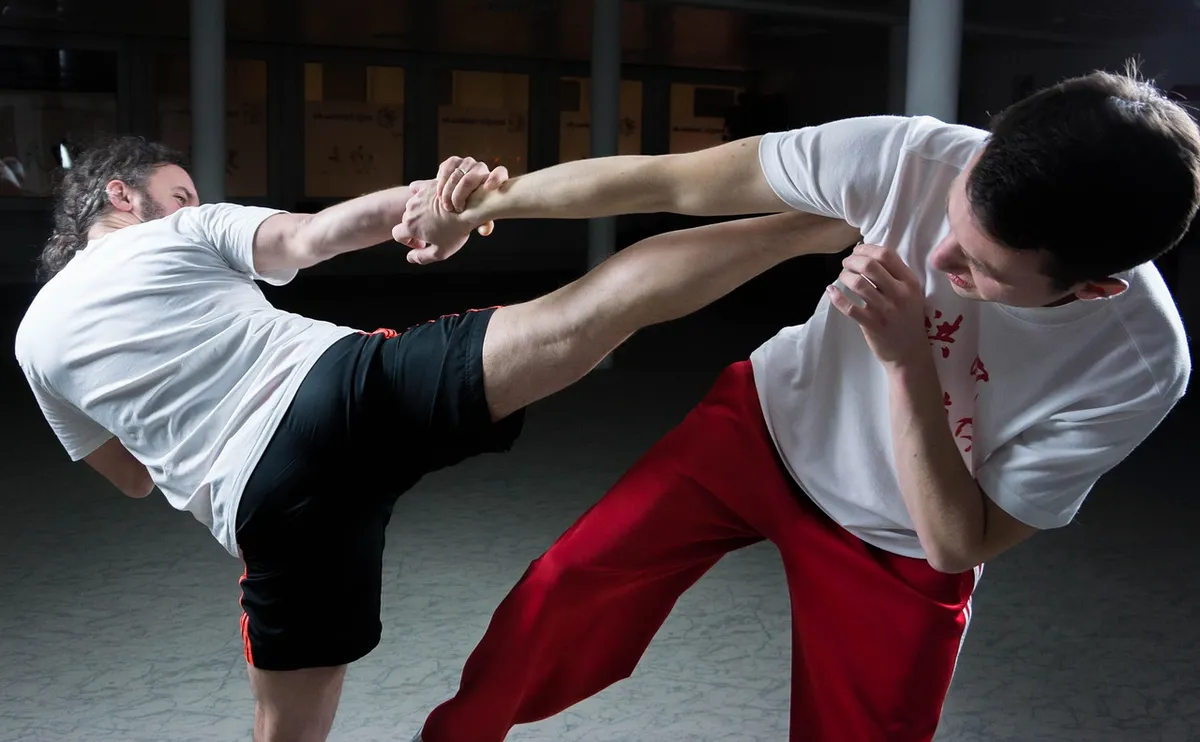
An athlete practices a specific drill, repeating the same motion in a controlled environment. Applying learned movements to unpredictable situations is the ultimate test of skill.
Applying basic sports skills requires taking a static movement and making it dynamic. This involves adjusting for speed, resistance, and the presence of other participants.
| Qualification Level | Focus Area |
|---|---|
| Foundation Diploma | Basic Coaching Principles |
| Extended Diploma | Advanced Development |
I find that practicing these specific levels helps clarify which technical gaps need the most attention. The transition from a certificate to a diploma requires a deeper understanding of both theory and practice.
Effective training involves testing these skills in various environments. This ensures that the techniques are not just learned in a vacuum but are functional in real-world applications.
How do we manage the limitations of physical activity?
A person sits on a bench, catching their breath after a period of intense movement. Recognizing the physical and social limits of a sport is essential for long-term participation.
Not every individual will find the same level of success in every sport due to biological or social factors. For example, at the Olympic level, women accounted for 49% at Tokyo 2020, reaching full 50% parity at Paris 2024.
These shifts in participation show that the landscape of sports is constantly evolving. Understanding these historical and demographic shifts can help a beginner find their place in the sporting world.
A limitation of specialized training is that it may not apply to all physiological conditions or historical contexts.
For instance, until the mid-20th century, a person could have been banned from playing Gaelic football, hurling, or other sports administered by the Gaelic Athletic Association (GAA) if she/he played or supported Association football, or other games seen to be of British origin.
Related
- What are the historical rules of sport selection?
- Split step guide: how to improve reaction time and agility
How does the foundation of physical endeavor relate to progression? 1. The foundation of any physical endeavor requires mastering fundamental mechanics before tackling complex maneuvers. 2. Early stages of learning concentrate on repetitive, low-impact movements to build muscle memory, which assists in preventing injury. 3. A beginner sports skills guide must emphasize stability and balance because advanced maneuvers cannot be executed safely without them. 4. Mastering these core elements facilitates a smoother transition into more competitive settings.
What conditions dictate the application of basic skills? 1. Applying basic sports skills necessitates transforming a static movement into a dynamic one. 2. This transformation involves making necessary adjustments for factors such as speed, resistance, and the presence of other participants. 3. Effective training mandates testing these skills across diverse environments. 4. Such testing confirms that the techniques are functional in real-world scenarios, not merely theoretical constructs.
The comparison of global participation trends shows that different groups approach physical activity in distinct ways. Understanding these variations assists individuals in locating training methods suited to their community.
Structured coaching levels provide a clear progression for those aiming for professional development. Each subsequent qualification builds upon the knowledge gained in the preceding one, ensuring a thorough subject grasp.
Wikipedia: Fishing techniques Based on the retained excerpt mentioning International Casting Sport Federation: The sport is supervised by the International Casting Sport Federation, which sponsors tournaments and recognizes world records for accuracy and distance.

Comments 0