Simone Biles: Path to Olympic Medal Success in Gymnastics
"The distance between a good athlete and a legend is measured in the hours spent when no one is watching."
To reach the absolute pinnacle of human performance, an athlete must master the delicate intersection of technical precision and psychological resilience.
* Technical Synergy: True mastery requires merging sport-specific movement patterns with deep muscle memory. * Adaptive Volume: Reaching the elite level often necessitates a massive, structured increase in dedicated training hours. * Psychological Resilience: The ability to manage high-stakes pressure is just as vital as physical strength.
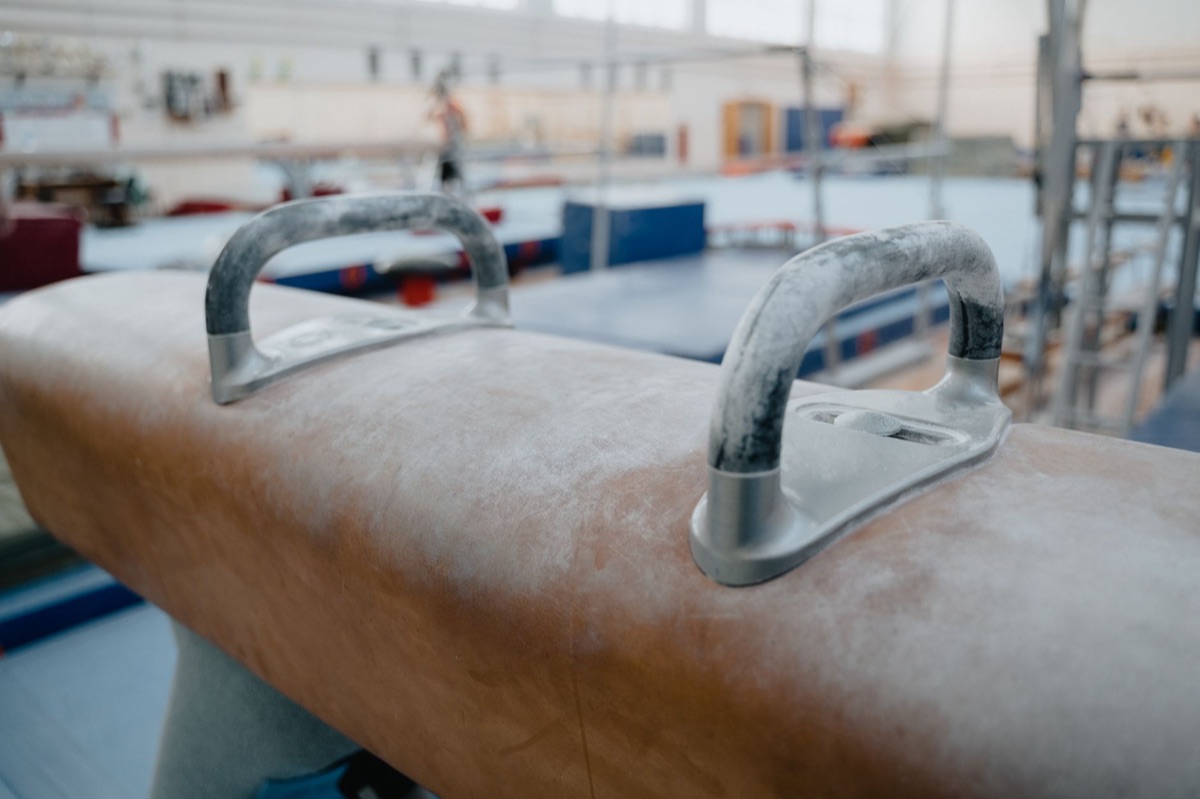
The Foundation: Why is technical mastery so hard to own?
The chalk dust hangs in the air of a quiet gym at 6:30 AM, the rhythmic thud of footsteps echoing against the spring floor. Every movement is deliberate, every grip is tested, and every landing is a calculated risk.
In the world of elite gymnastics, generalized fitness is insufficient. Success depends on the specificity of movement patterns—the ability to execute complex aerial maneuvers with millisecond precision.
Technical mastery is built through repetitive, granular drills that translate raw power into controlled, flawless execution.
When an athlete performs a routine under the bright lights of an Olympic arena, they are not thinking about how to move; they are letting years of technical refinement take over. This is the goal: to turn conscious effort into subconscious mastery.
Small, incremental improvements in body tension, rotation speed, and landing stability might seem insignificant in a local gym, but they compound into massive competitive advantages on the world stage.
Modern elite gymnastics demands a level of technical complexity where the margin for error is virtually zero.
But technical skill is only half the battle; the physical load required to own it can break even the strongest competitors.

The Crucible: How do you handle the sudden increase in volume?
The clock on the gym wall reads 5:00 AM, and the first session of the day is already halfway through. The exhaustion is heavy, but the schedule is unrelenting.
Transitioning from a talented amateur to a global icon requires a radical shift in how time is allocated. It is not enough to simply "work hard"; the volume of training must be strategically increased to meet the demands of elite competition.
For many, this means restructuring their entire lives to prioritize the craft.
In 2012, Biles made a pivotal decision to switch from public school to homeschooling. This move allowed her to increase her training from approximately 20 hours a week to 32 hours a week.
This deliberate expansion of her training window provided the necessary time to master the world's most difficult skills while maintaining the focus required for recovery.
When I sat in the bleachers watching a professional training block last year, I realized that most people focus on the workout, but the elite focus on the schedule. This shift highlights two critical components of elite training:
- The Shift in Volume: Moving from foundational training to advanced blocks requires managing much higher physical loads.
- Structured Environment: Using personalized environments—like the integration of homeschooling—maximizes the ability to focus on technical development.
The physical load is massive, but the mental load is often heavier.
The Mental Edge: Why does the mind fail when the body is ready?
The crowd is deafening, a wall of sound that threatens to shake the very floor. A gymnast stands at the edge of the mat, heart racing, staring at the apparatus.
Physical conditioning gets you to the Olympics, but psychological resilience keeps you on the podium. At the elite level, the weight of expectation can be as heavy as the gravity pulling an athlete toward the floor.
Handling this pressure requires developing specific mental routines—breathing, visualization, and focus triggers—to manage the physiological response to stress.
The ability to bounce back from setbacks is the true differentiator. When a routine goes wrong or an injury occurs, the mental fortitude to recover and remain competitive is what separates the gold medalists from the rest of the field.
Visualization plays a massive role here; by mentally rehearsing a perfect routine thousands of times, an athlete embeds the "feeling" of success into their nervous system. This creates a psychological bridge between the training gym and the Olympic stage.
This mental preparation is vital, but it must be perfectly timed to match physical reality.
The Apex: How do you execute when the world is watching?
The tension in the arena is palpable as the judges raise their cards. A single fraction of a point can mean the difference between first place and fourth.
During the heat of competition, the margin of error vanishes. What looked like a smooth transition in practice can become a catastrophic error under the scrutiny of a global audience.
The difference between a "good" performance and a "medal-winning" performance often lies in the ability to execute under extreme duress.
When the body is fatigued and the mind is racing, the athlete must rely on the consistency of their routine. This is the psychological tipping point: the ability to remain calm enough to execute technical precision while the adrenaline is peaking.
Success at the apex is about timing—ensuring that the physical peak and thely mental readiness intersect at the exact moment of competition. This brings us to the reality of what happens once the medals are handed out.

Beyond the Podium: What happens after the lights go out?
The lights dim, the crowd disperses, and the athlete sits alone in the locker room, staring at the medal. The journey is not over; it is merely evolving.
The end of a major competition is not the end of an athlete's development. For those at the top, the pursuit of excellence becomes a lifelong cycle of evaluation and reinvention. They must look at their own performance critically, identifying the microscopic flaws that led to lost points.
| Aspect | Amateur Training | Elite Training |
|---|---|---|
| Technical Focus | Versatile fitness focus | Highly specific technical mastery |
| Time Allocation | Variable/Part-time | Structured/Full-time integration |
| Goal | Completion of tasks | Precision and peak performance |
| Mental Focus | Participation-based | Resilience and pressure management |
The evolution of an elite athlete involves balancing the drive for more difficulty with the necessity of longevity. They must learn when to push the boundaries of human physics and when to prioritize the health of their own bodies.
Step-by-Step: The Path to Elite Routine Execution
To reach the level of professional mastery, athletes follow a strict progression of skill acquisition. This is how they bridge the gap between practice and the podium:
- Isolation Drills: Perform the specific movement in a controlled, low-stakes environment to build muscle memory.
- 2.s. Full Routine Integration: Combine the new skill with existing movements to test the body's ability to transition.
- Pressure Simulation: Perform the routine in front of crowds or judges to mimic competitive stress.
- Peak Periodization: Scale back volume to allow the body to recover so that physical strength is at its maximum during competition.




Comments 0