What are the essential steps for room organization?
Managing a guest room effectively requires a balance of systematic organization and physical discipline. This guide provides a method for High1 Resort room tidy guide strategies by applying structured movement to cleaning tasks.
Effective room management involves three core stages: clearing surfaces, organizing linens, and sanitizing high-touch areas. Following these steps ensures a professional standard while maintaining physical stamina.
How to implement a High1 Resort room tidy guide?
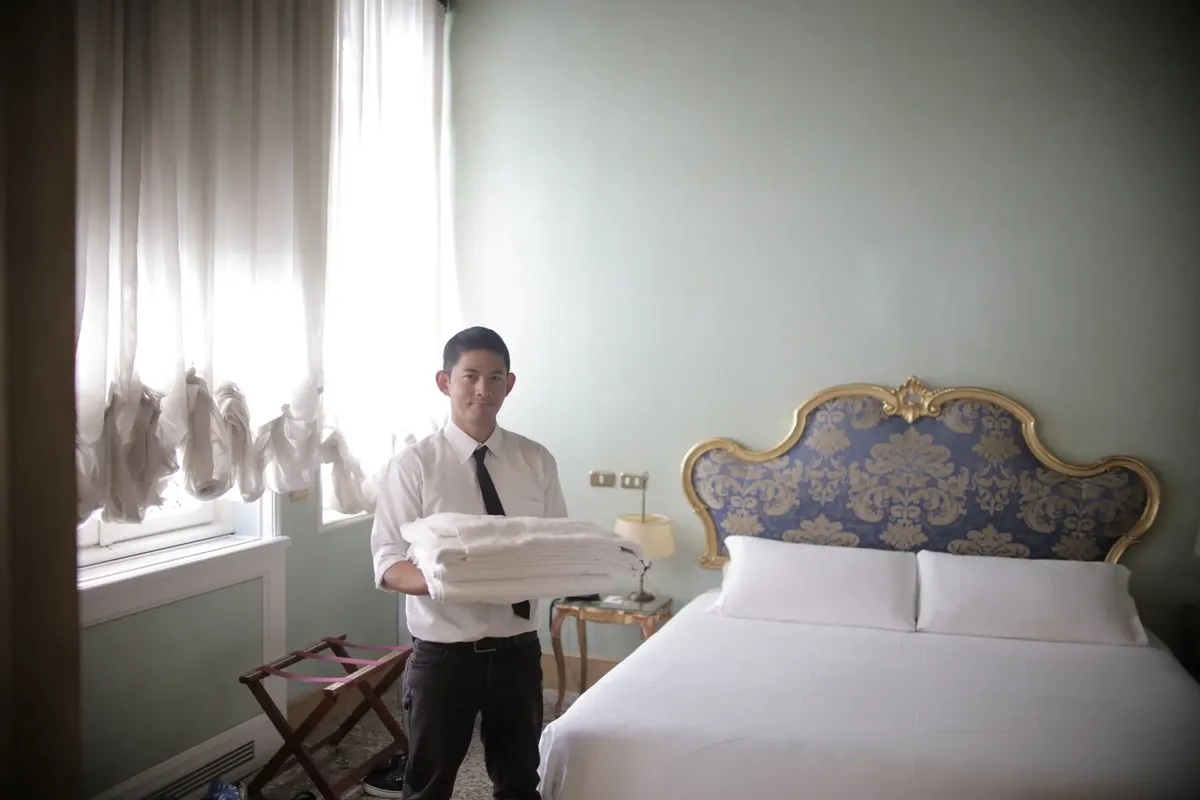
A person stands in the center of a large guest suite, surveying the clutter before beginning the physical labor of tidying. To execute a successful High1 Resort room tidy guide, one must treat the space like an athletic field where every movement is intentional.
The first phase involves clearing all loose items from surfaces to establish a clean baseline. This prevents the chaos of scattered objects from interrupting the flow of work. Once surfaces are clear, the focus shifts to the bed and linens.
The second phase focuses on the structure of the room, specifically the bedding and furniture alignment. This mimics the precision required in life sports, where posture and placement matter. Finally, the third phase involves the application of cleaning agents to ensure hygiene.
What are the essential steps for room organization?
As the afternoon sun hits the dusty desk, I begin the essential steps of clearing the surface with a firm grip.
A worker grips a microfiber cloth and moves toward a wooden desk to wipe away dust. Maintaining a systematic approach prevents fatigue and ensures no corner is missed.

- Clear and categorize: Gather all scattered items and place them in their designated storage spots to open up floor space. 2. Reset the bedding: Smooth out all linens, tucking corners tightly to create a professional, crisp appearance. 3. Sanitize surfaces: Apply cleaning solutions to hard surfaces, moving from the highest points down to the floor.
I remember once attempting to organize a multi-room suite in a single afternoon, and I realized that without a set sequence, the work becomes twice as hard.
What are the differences in housekeeping habits?
A person looks at a split statistic regarding daily chores and gender roles. Understanding these patterns helps in managing expectations for domestic or professional environments.
According to Wikipedia, 20 percent of men did housekeeping chores (including cleaning and laundry) on any given day, compared to approximately 50 percent of women. This data highlights the varying levels of engagement in domestic tasks across different demographics.
| Demographic | Daily Housekeeping Percentage |
|---|---|
| Men | 20 percent |
| Women | 50 percent |
How to handle cleaning chemicals safely?
A person holds a bottle of cleaner and checks the label for specific instructions. Managing chemicals requires knowledge of the substances being used to prevent accidents.

According to The Occupational Safety and Health Administration, material safety data sheets are available, though the organization does not set "requirements" for cleaning chemicals.
When working with various agents, it is vital to consult the provided documentation for each product. For example, material safety data sheets are available to provide detailed information on chemical properties.
It is important to note that the Occupational Safety and health Administration does not set "requirements" for cleaning chemicals. Because of this, users must rely on the specific guidance provided on product labels and safety sheets.
What are the common mistakes in room maintenance?
A person pauses while looking at a streak on a glass window, realizing a step was missed. Mistakes often stem from a lack of a repeatable system.
The most frequent error is neglecting the top-down approach, which leads to dust falling onto already cleaned surfaces. Another mistake is using the wrong chemical for a specific material, which can cause permanent damage.
One limitation is that these methods are designed for standard guest rooms and may not apply to specialized industrial cleaning environments.
- How to implement a High1 Resort room tidy guide?
- What are the essential steps for room organization?
- What are the differences in housekeeping habits?
The same subject is also called Resort room cleaning tips.
The same subject is also called Life sports organization.
The same subject is also called Guest room management.
The same subject is also called Tidy up resort room.
This part also covers Sports guide for room tidying.
This part also covers Consumer focus room care.
This part also covers Practical resort maintenance.
Sports guide for room tidying
Related
- Beginner sports skills guide: How to start sports basics
- Beginner bicycle safety tips: 80 percent energy guide
How does systematic organization benefit managing a guest room? Systematic organization ensures that the cleaning process follows a logical progression, which supports the physical discipline required for managing a guest room. Treating the space like an athletic field means every action contributes to the final polished state of the room. This structured movement prevents the work from becoming unnecessarily strenuous, as noted when organizing a multi-room suite.
When should sanitizing high-touch areas occur? Sanitizing high-touch areas should be the final stage of the cleaning process after surfaces have been cleared and linens have been reset. Applying cleaning agents from the highest points downward ensures that any dust or debris dislodged during earlier steps falls onto surfaces that are either already clean or are about to be addressed. This careful sequencing is key to professional room management.
Maintaining a systematic approach prevents fatigue and ensures no corner is missed when managing a guest room. The initial act of clearing surfaces establishes a clean baseline, which is a necessary prerequisite for the subsequent organization and sanitization steps.
Understanding the differences in housekeeping habits provides context for managing expectations in any environment, whether domestic or professional.
The disparity in reported daily chores between genders suggests that the level of engagement in domestic tasks varies significantly across demographics.




Comments 0