Bike safety check tips: Beginner bike safety check guide
"Increasing physical activity is a public health 'best buy,' and cycling is a 'highly suitable activity' for this purpose."
This routine focuses on tire integrity, mechanical transmission, and rider positioning to prevent unexpected failures.
How to perform a beginner bike safety check?
A cyclist stands over the frame, gently squeezing the tires and spinning the pedals to feel for resistance. A beginner bike safety check starts with the tires, as they dictate the stability and efficiency of the ride.
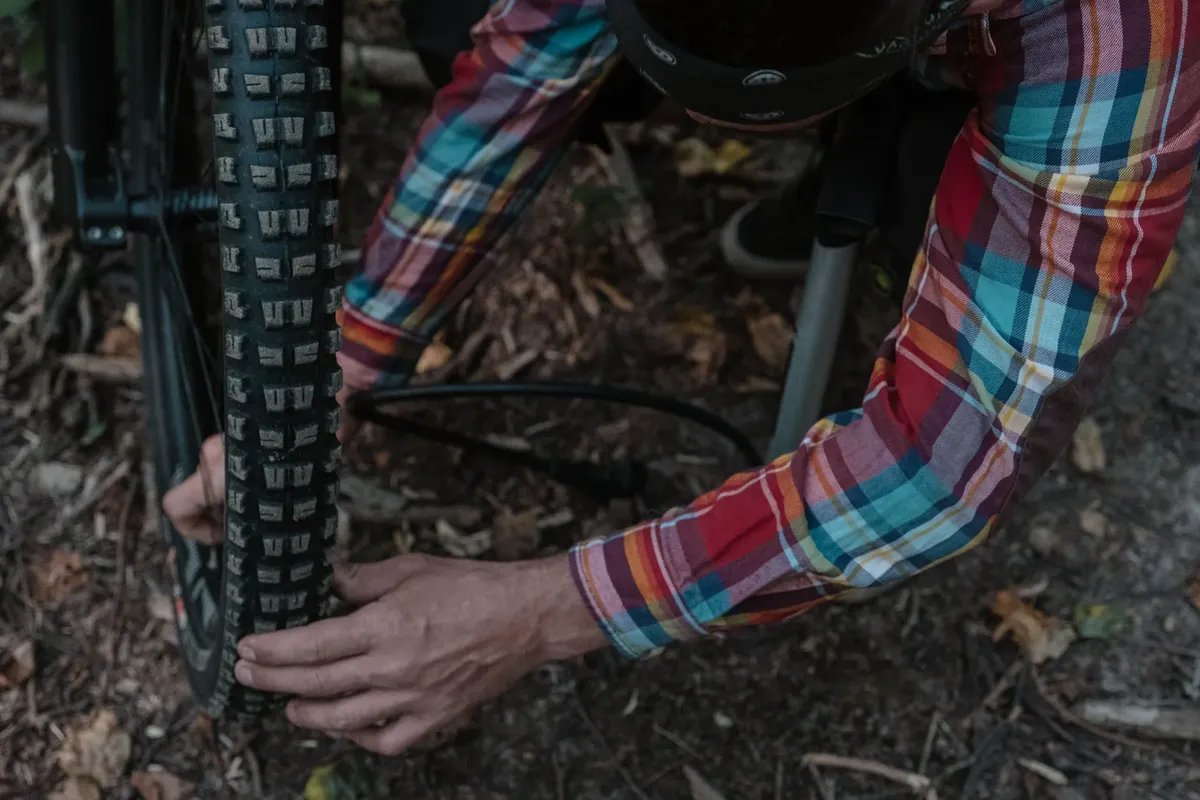
Off-road tires are usually wider, from 30 mm (1.2 in) to 100 mm (4 in), and have treads for gripping in muddy conditions or metal studs for ice.
Checking the tire type against your intended path is essential for traction. If you are riding on pavement, smooth tires work best, while muddy paths require the grip of wider, treaded tires.
However, these basic checks may not be sufficient for high-performance racing bikes with specialized components. I will start by addressing the most fundamental steps first.
Why does energy efficiency matter during a bike check?
The rider pushes down on the pedals, feeling the connection between the legs and the moving wheels. An easy bike maintenance tips routine helps you understand how much of your effort actually moves the bicycle forward.
From a mechanical viewpoint, up to 99% of the energy delivered by the rider into the pedals is transmitted to the wheels, although the use of gearing mechanisms may reduce this by 10–15% and there is also a small amount of tire slip.
This high level of efficiency makes cycling a superior method of transport compared to walking.
The energy taken to cycle to a particular distance takes less than the energy to walk as far by four-fifths or 80 percent. Maintaining a clean drivetrain ensures that this energy transfer remains as high as possible.
Note that optimizing efficiency does not guarantee maximum speed if the mechanical components are failing. I focus on how energy conservation relates to the inspection process here.
How to check bicycle components for mechanical health?
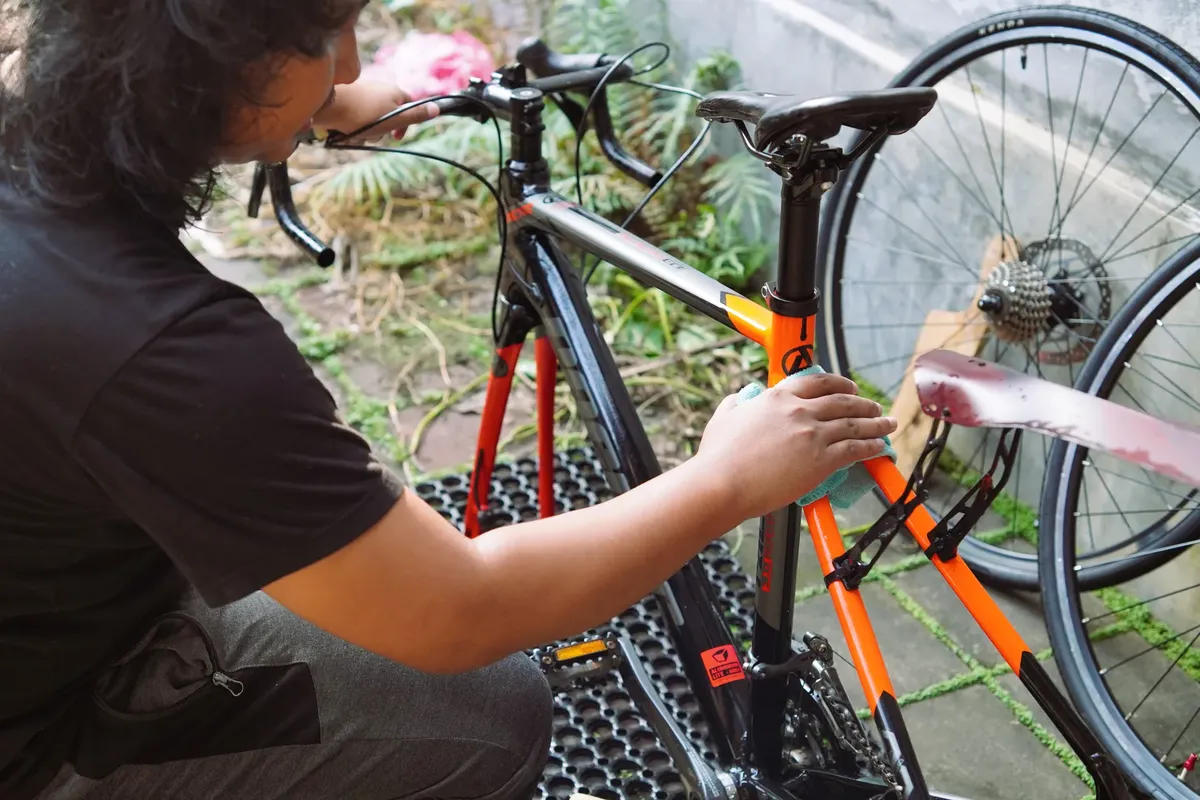
A mechanic wipes grease from a chain while checking the alignment of the gears. A simple bike upkeep guide involves inspecting the drivetrain and the way the rider interacts with the machine.
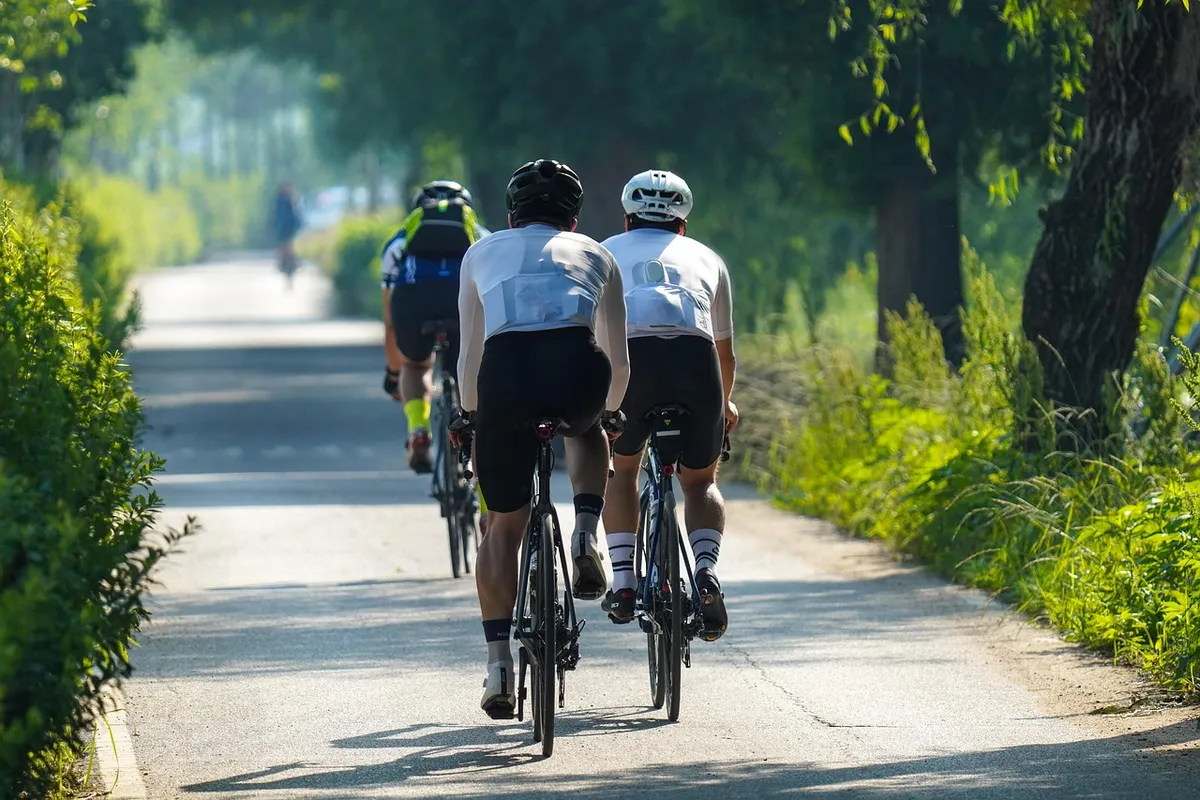
A human traveling on a bicycle at low to medium speeds of about 16–24 km/h (10–15 mph) uses only the power required to walk. Ensuring the gears shift smoothly is vital to maintaining these steady, efficient speeds.
| Feature | Impact on Efficiency |
|---|---|
| Gearing Mechanisms | May reduce energy transmission by 10–15% |
| Tire Slip | Causes a small amount of energy loss |
I once spent an entire afternoon adjusting my gear tension to ensure the transition between levels was seamless. Proper maintenance prevents the 10–15% reduction in energy transfer caused by gearing mechanisms from becoming an unpredictable mechanical failure.
This method is not a substitute for professional mechanical servicing by a certified technician. I describe the component inspection process in this section.
What is the role of rider posture in a safety routine?
The rider adjusts the seat height and leans forward to test the wind resistance. A first time rider bike check must include an assessment of body positioning to manage drag and comfort.
If the rider is sitting upright, the rider's body creates about 75% of the total drag of the bicycle/rider combination. Adjusting your position can significantly change how much effort is required to maintain speed.
A pre-ride bicycle inspection should always include checking that the seat is secure and the handlebars are aligned. This ensures that the rider's body interacts correctly with the frame to manage drag effectively.
Adjusting posture is not a replacement for fixing structural issues with the bicycle frame. I explain the connection between body position and safety in this part.
How to conduct a daily bike safety routine?
The rider walks around the bike, checking every bolt and the inflation level of each tire. A daily bike safety routine can be broken down into three logical steps to ensure nothing is overlooked.
According to the WHO, increasing physical activity is a public health "best buy", and cycling is a "highly suitable activity" for this purpose.
- Inspect tires for proper inflation and tread wear based on the riding surface. 2. Test the brakes and the smoothness of the gear shifting mechanism. standing
- Check that all bolts, especially on the seat and handlebars, are tightened.
A final check involves lifting the bike slightly to ensure the wheels spin freely without catching. This sequence keeps the mechanical transmission at its peak and prevents sudden issues during the ride.

A quick daily check is not a substitute for a comprehensive deep clean and inspection. I outline the daily sequence in this section.
- A beginner bike safety check ensures that your equipment is functional and efficient before you hit the road.
- Key takeaways include inspecting tire width and pressure, verifying energy transfer through the drivetrain, and understanding how body posture affects aerodynamics.
- Road bicycles typically use tires from 25 mm (1 in) to 35 mm (1.4 in) wide, sometimes completely smooth, or slick, and inflated to high pressure to roll fast on smooth surfaces.
The same subject is also called Bike check before ride.
First time rider bike check
Related
When should I worry about tire integrity? 1. Tire integrity becomes a concern when the tire shows signs of wear inconsistent with the riding surface. 2. If the tire pressure drops below the recommended level, the efficiency of the ride decreases. 3. Checking tire width against the intended path is necessary to ensure adequate traction for the specific terrain.
Visual inspections cannot detect internal structural damage that may only be visible under heavy load. I address the specific signs of tire wear in this section.
How does proper setup relate to increasing physical activity? Increasing physical activity is supported by ensuring the bike setup minimizes unnecessary resistance. Proper rider positioning reduces the significant drag created by an upright posture. Maintaining a clean drivetrain ensures that the energy expended during increasing physical activity translates effectively into forward motion.
A beginner bike safety check emphasizes that the equipment's functionality directly impacts the rider's ability to sustain effort. Verifying energy transfer through the drivetrain confirms that the rider's input is not being wasted by mechanical friction or poor alignment.
This attention to detail supports the goal of making cycling a superior method of transport.
When performing the daily bike safety routine, checking all bolts ensures the entire system remains rigid and predictable. This prevents unexpected mechanical failures that could halt the increasing physical activity session abruptly.







Comments 0