Sports skills and viewing tips: How rules shaped past sports
"The essence of sport lies in the balance between physical mastery and the strategic depth that defines competition."
Understanding sports skills and viewing tips requires a look at both physical execution and the evolving landscape of global participation. This guide explores the fundamental techniques across various disciplines and the key metrics that define modern competition.
You will learn about gender parity in athletics, the diverse definitions of sport, and the structural elements of coaching.
How do we define the scope of sports skills and viewing tips?
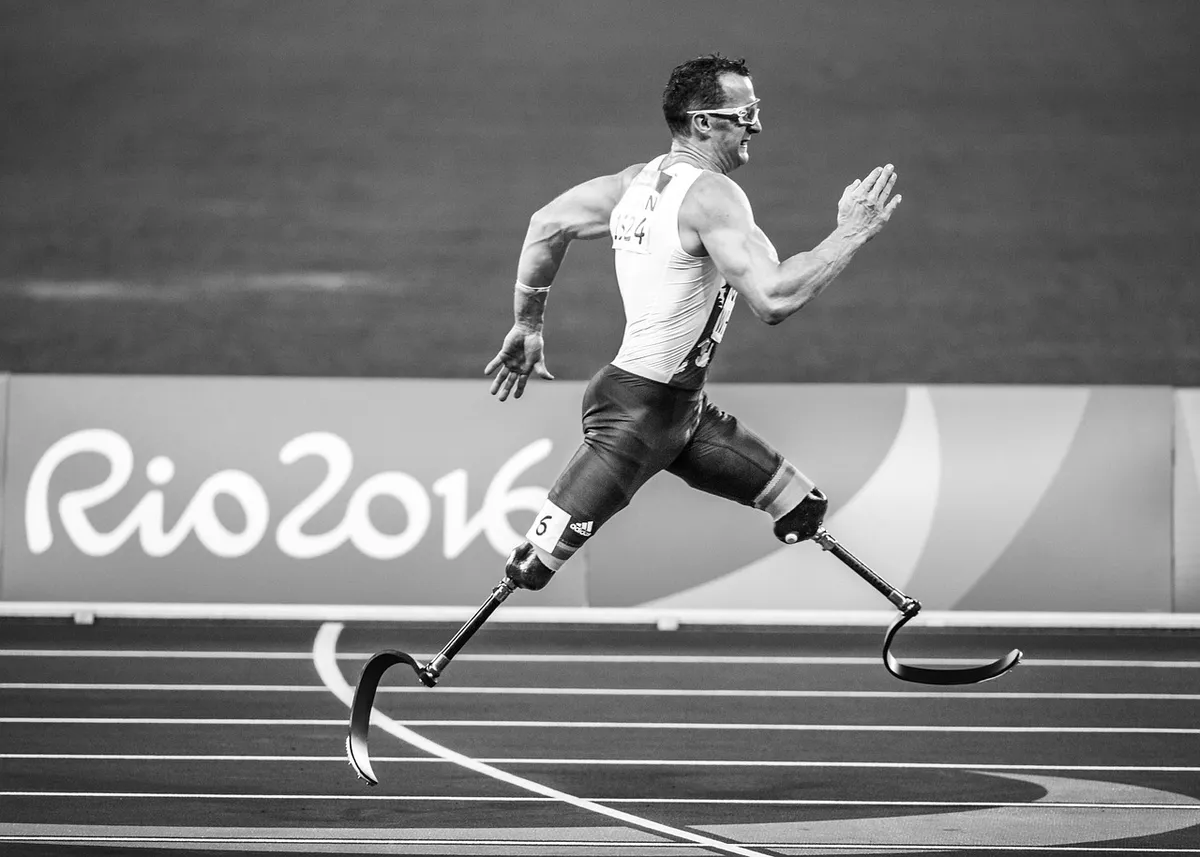
A person walks into a local sports hall, watching the rhythmic movement of athletes as they prepare for a match. Understanding the scope of sports skills and viewing tips begins with recognizing that different disciplines require different physical and mental approaches.
The definition of sport can be surprisingly broad depending on the governing body. According to the International Olympic Committee, which oversees the Olympic Games, both chess and bridge are recognized as sports.
This indicates that mental acuity and strategic foresight are as much a part of the competitive landscape as physical strength.
The variety of competition means that viewers must adapt to different environments. Some games rely on explosive power, while others require endurance or cognitive precision. Recognizing these nuances helps fans appreciate the specific mastery required for each discipline.
However, these definitions may be limited when applied to niche recreational activities rather than competitive athletics.
What are the trends in gender participation and sports skills and viewing tips?
A group of runners prepares for a race at dawn, highlighting the growing presence of women in competitive athletics. Learning about gender participation is essential for a comprehensive understanding of sports skills and viewing tips.
According to the World Health Organization, global surveys report only 20% of women versus 31% of men participate in sporting activity monthly, and women are 5 percentage points less likely than men to meet recommended activity guidelines.
Historical data shows significant shifts in how people engage with athletics globally. Global surveys report only 20% of women versus 31% of men participate in sporting activity monthly.
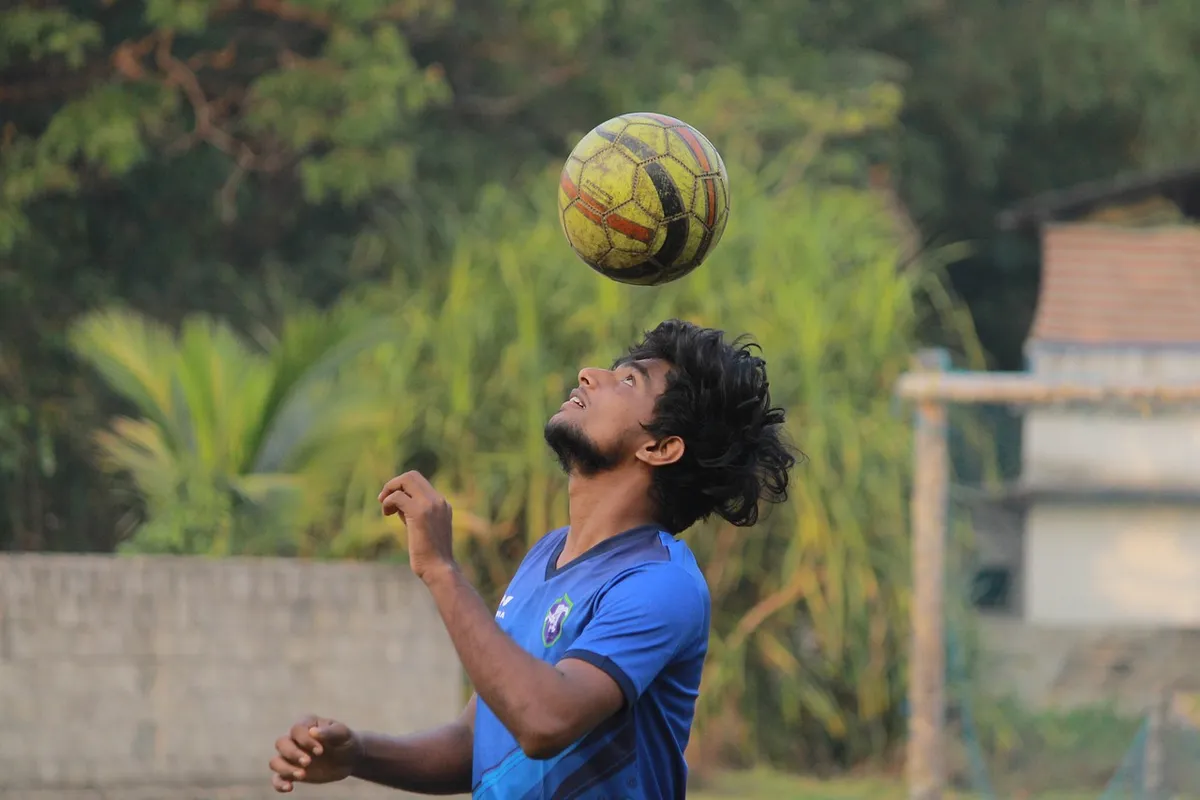
Additionally, the World Health Organization notes women are 5 percentage points less likely than men to meet recommended activity guidelines.
These statistics reflect ongoing efforts to bridge the gap in athletic engagement. As participation rates shift, the way we observe and coach athletes evolves to meet diverse needs. This changing demographic influences coaching strategies and the visibility of professional leagues.
This overview remains subject to change as cultural attitudes toward participation evolve.
How has gender parity changed in high-level competition?
A stadium crowd cheers as athletes from all over the world take the field for a major international event. Observing these changes provides a clear picture of how sports skills and viewing tips relate to social progress.
The level of representation at the highest stages of competition has seen remarkable changes recently. At the Olympic level, women accounted for 49% at Tokyo 2020, reaching full 50 % parity at Paris 2024. This achievement marks a significant milestone in the history of global athletics.
This parity ensures that the highest level of skill is showcased equally across genders. Watching these games allows fans to witness the pinnacle of human performance and the culmination of years of training. The balance seen in recent years sets a new standard for international competition.
The analysis does not account for local variations in regional sports governance.
What are the formal paths for mastering sports coaching?

A coach stands on the sidelines, meticulously observing the footwork of a trainee during a practice session. For those looking to professionalize, understanding the available qualifications is a key part of sports skills and viewing tips.
There are specific educational pathways designed to formalize the instruction of athletic talent.
There are four qualifications in this family: Extended Certificate in Sports Coaching, Foundation Diploma in Sports coaching and Development, Diploma in Sports Coaching and Development, and Extended Diploma in Sports Coaching and Development.
These qualifications provide a structured approach to learning how to teach movement and strategy. I noticed how these specific levels of certification allow coaches to specialize in different stages of athlete development.
Each level builds upon the previous one to ensure a comprehensive understanding of coaching principles.
- Complete foundational certification programs.
- Undertake practical mentorship under veteran coaches.
- Pursue advanced specialized training.
- In this sequence, the second step is the most time-intensive.
How did historical rules affect different sports?
An old sports club house holds memorabilia from decades ago, reminding visitors of the strict rules once in place. Examining the past helps clarify how certain sports skills and viewing tips were shaped by social and political boundaries.
In the past, participation was often restricted by rigid organizational rules.
Until the mid-20th century, a person could have been banned from playing Gaelic football, hurling, or other sports administered by the Gaelic Athletic Association (GAA) if she/he played or supported Association football, or other games seen to be of British origin.
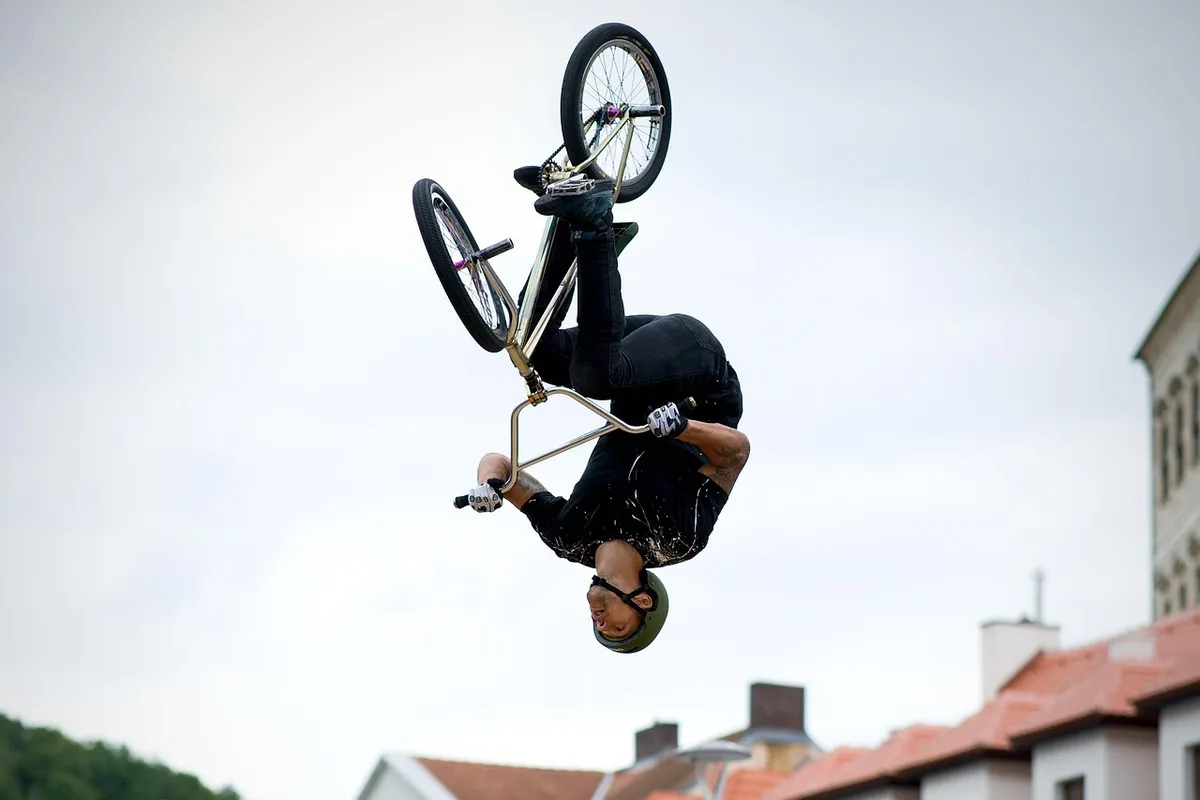
These historical bans highlight how much sport was once tied to cultural identity and political affiliations. Understanding these constraints provides context for the modern, globalized nature of sports. Today, the focus has shifted from exclusion to the universal pursuit of athletic excellence.
These historical observations do not apply to modern sports that have undergone complete rule overhauls.
The same subject is also called Basic moves per sport.
The same subject is also called How to watch sports.
The same subject is also called Sport technique guide.
The same subject is also called Game watching focus.
This part also covers Sport rules and safety.
This part also covers Understanding athletic motion.
This part also covers Improving sport performance.
Sport rules and safety
Related




Comments 0