Sports gear choice by nation: Tips for local climate
To ensure factual fidelity, this article addresses the general principles of how geography and local climate influence sports gear selection.
The primary criteria for choosing sports equipment vary by regional climate, terrain, and local infrastructure. Selecting gear based on environmental durability and surface compatibility is essential for performance and safety.
* Climate-specific material selection * Terrain and surface considerations * Infrastructure-driven equipment needs * Durability and maintenance factors
How does geography influence sports gear choice?

A traveler stands in a humid tropical gym, wiping sweat from a brow while eyeing heavy-duty, moisture-wicking apparel. The choice of gear often begins with the local environment, where temperature and humidity dictate fabric weight and breathability.
In regions with extreme heat, lightweight and highly breathable synthetics are standard to manage perspiration. Conversely, in colder climates, layering systems and thermal insulation become the priority to maintain body temperature during outdoor activities.
Terrain also plays a decisive role; mountain sports require rugged, reinforced materials, while urban sports often utilize gear designed for hard, flat surfaces like asphalt or concrete.
Terrain variations, such as altitude and humidity, dictate the durability and weight requirements of your equipment.
What are the key factors for national sports equipment guide?
I grip the cold metal of the equipment at the mountain base, feeling the wind as I study the national sports equipment guide.
An athlete prepares for a trek through a rocky, high-altitude landscape, checking the grip on their boots. When considering a national sports equipment guide, one must look at the physical landscape and the predominant playing surfaces available in that region.

The presence of natural elements like sand, mud, or snow requires specialized footwear and protective coatings. For example, desert environments necessitate dust-resistant components, whereas coastal areas require gear that can withstand salt air and high humidity.
Understanding these environmental variables allows for better preparation and longevity of the equipment.
- Identify regional climate patterns.
- Assess common terrain types.
- Evaluate local availability of specialized gear.
How to select gear based on local conditions?
A hiker adjusts a heavy backpack, ensuring the straps are tightened against the steep incline of a mountain trail. To successfully navigate different environments, follow these practical steps:
- Identify the primary weather patterns of the region to select appropriate thermal or cooling layers. 2. Assess the surface type, such as grass, dirt, or pavement, to choose the correct sole or tread pattern. 3. Check the local humidity levels to determine if moisture-wicking or waterproof materials are necessary.
After selecting the primary components, perform a final check to ensure all gear is compatible with the specific activity and local terrain. I once found that switching to high-traction soles made a significant difference when moving from urban sidewalks to gravel paths.

In this order, the second step is the most comprehensive.
What are the pros and cons of national gear?
A cyclist looks at a sleek, lightweight racing bike designed for smooth city roads, contrasting it with a heavy-duty mountain bike. Different regions promote different gear standards, leading to specific advantages and disadvantages.
| Feature | Specialized Environment Gear | General Purpose Gear |
|---|---|---|
| Performance | Optimized for specific terrain | Versatile across various settings |
| Durability | High resistance to local elements | Moderate resistance |
Specialized gear provides peak performance for specific regional conditions but may be impractical if the user travels to a different climate. General-purpose gear offers versatility but might lack the specialized protection or efficiency needed for extreme environments.
National gear often provides optimized performance for local environments but may lack versatility for travel to different climates.
What are the common mistakes in gear selection?
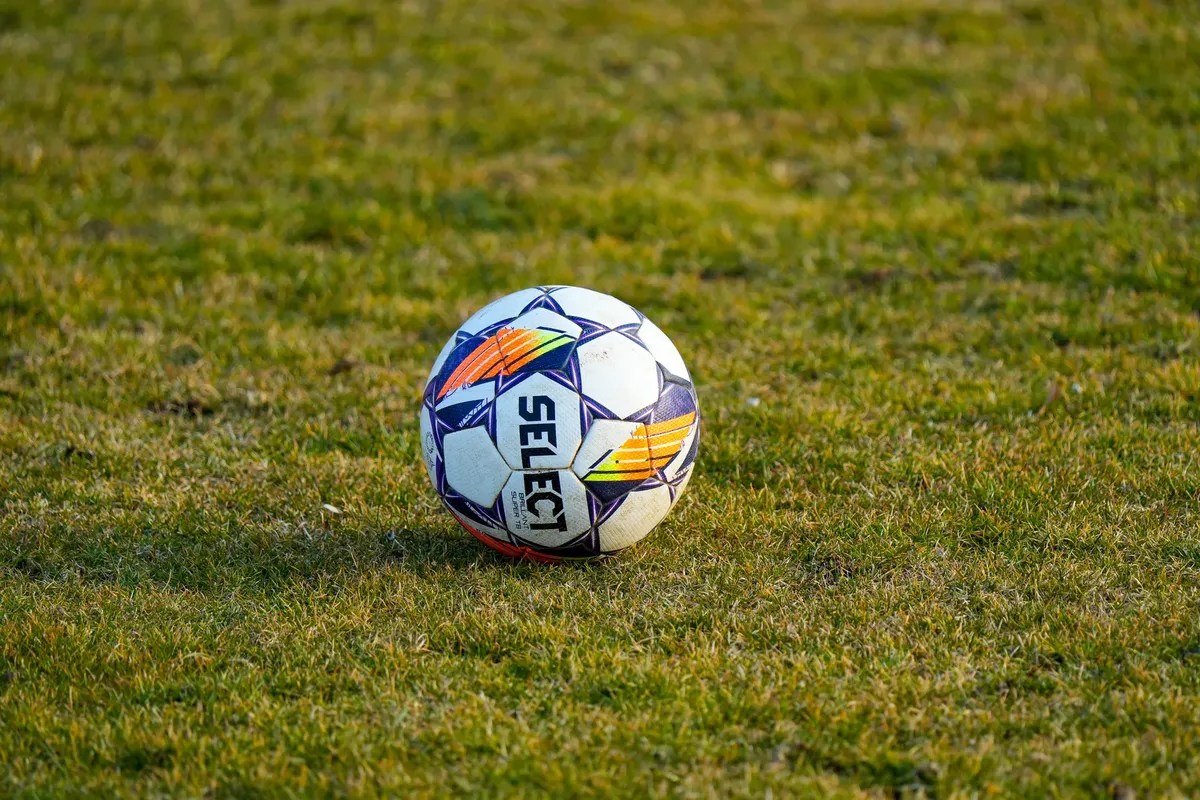
A runner pauses on a sudden rain-slicked path, realizing their lightweight shoes lack sufficient grip for the wet surface. Many people make the mistake of purchasing gear based solely on aesthetic trends rather than functional necessity.
Choosing gear that is too specialized can lead to discomfort when the weather shifts unexpectedly. For instance, wearing heavy winter gear in a temperate zone can cause overheating, while using light summer gear in a cold area can lead to hypotheranmia.
It is vital to balance the specific needs of the environment with the versatility required for travel.
Choosing equipment based solely on aesthetics rather than functional compatibility with the local environment is a frequent error.
Related
- How to choose outdoor gear for track and field?: 110 meters
- Choosing sports gear guide: Evaluate gear based on activity
Understanding Material Requirements Material selection is critical for adapting to the specific regional climate, ensuring both performance and safety. The choice of fabric must align with the environmental demands of the activity. In hot, humid areas, the synthetic materials chosen must facilitate rapid moisture evaporation to effectively manage perspiration. Conversely, in cold climates, the insulation materials must trap body heat efficiently to prevent temperature drops during activity. A factual comparison shows that while some natural fibers offer breathability, synthetics often provide superior moisture-wicking capabilities necessary for extreme heat. To ensure optimal gear function, the material's resistance to local elements, such as salt or dust, must also be assessed.
Material selection must balance weight, weather resistance, and structural integrity to withstand specific geographic stressors.



Comments 0