Racket selection guide: Beginner racket selection guide tips
"The right equipment acts as a bridge between a player's physical ability and the game's technical demands."
Choosing the right gear involves understanding how length, mass, and head size interact with your physical maturity and strength. This beginner racket selection guide focuses on navigating standard dimensions to find an easy to use racket that fits your current stage of play.
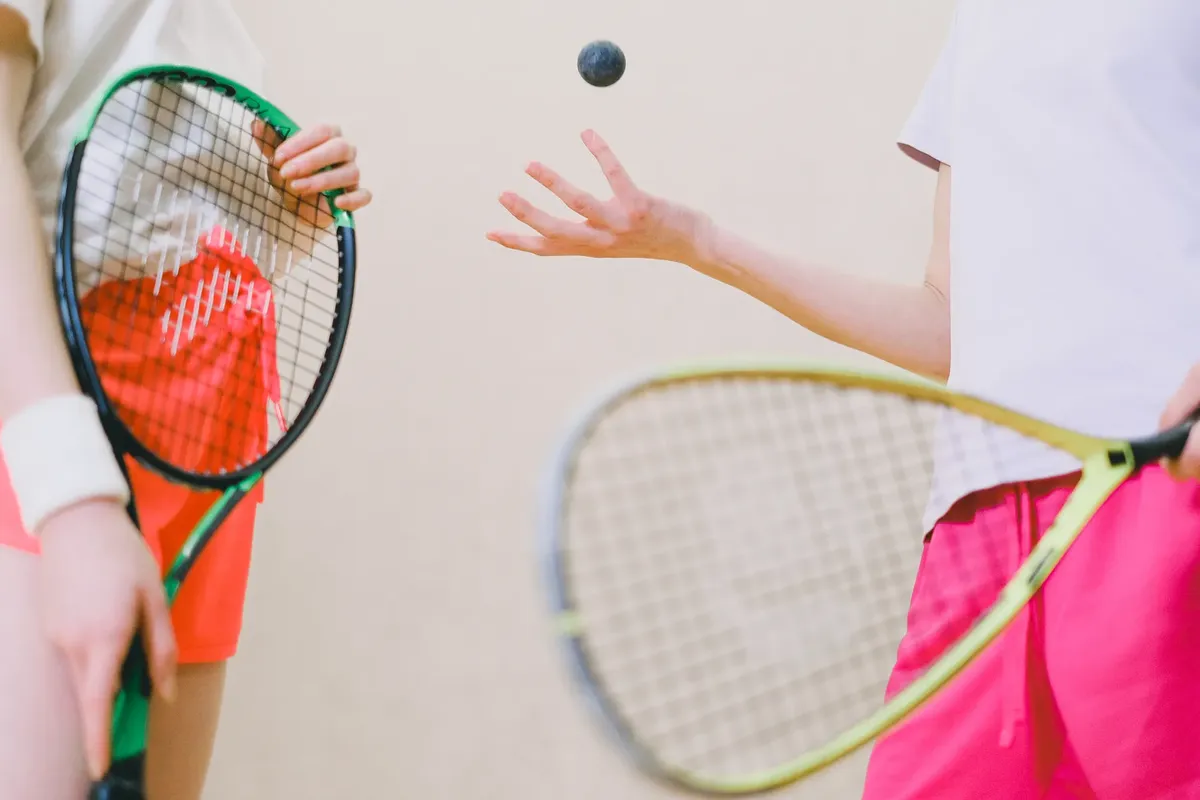
You should consider junior versus mature sizing, manage the weight relative to your strength, and select a head size that remains manageable. This guide covers essential dimensions and provides tips for new racket users to avoid common sizing mistakes.
How do I choose the right length for my physical maturity?
A player stands in a sports shop, gripping a wooden frame to feel the balance. Selecting the correct length is the first step in finding the best beginner racket types.
For junior players, the typical range falls between 53 and 66 centimeters (21 to 26 inches). As players become more physically mature and stronger, they often move toward a 69 cm (27 in) length.
Understanding these transitions helps in choosing first racket models that are neither too cumbersome nor too short for proper swing mechanics.
What are the standard dimensions of modern rackets? Beginner racket selection guide
At noon, I stand in the bright court and run my fingers over the taut strings of the modern racket.
A player examines the face of a modern racket, noting the tension of the strings. Most modern rackets are designed at a length of 70 cm.
According to Wikipedia, modern rackets typically feature a 70 cm length and a maximum strung area of 500 square centimeters (approximately 75 square inches). The mass of these rackets generally falls between 90 and 200 grams (4–7 ounces).
These standard dimensions provide a baseline for comparing different models.
How does mass affect racket handling?
A player lifts a heavy frame, feeling the strain on their wrist. Weight management is crucial when evaluating racket features for new players.
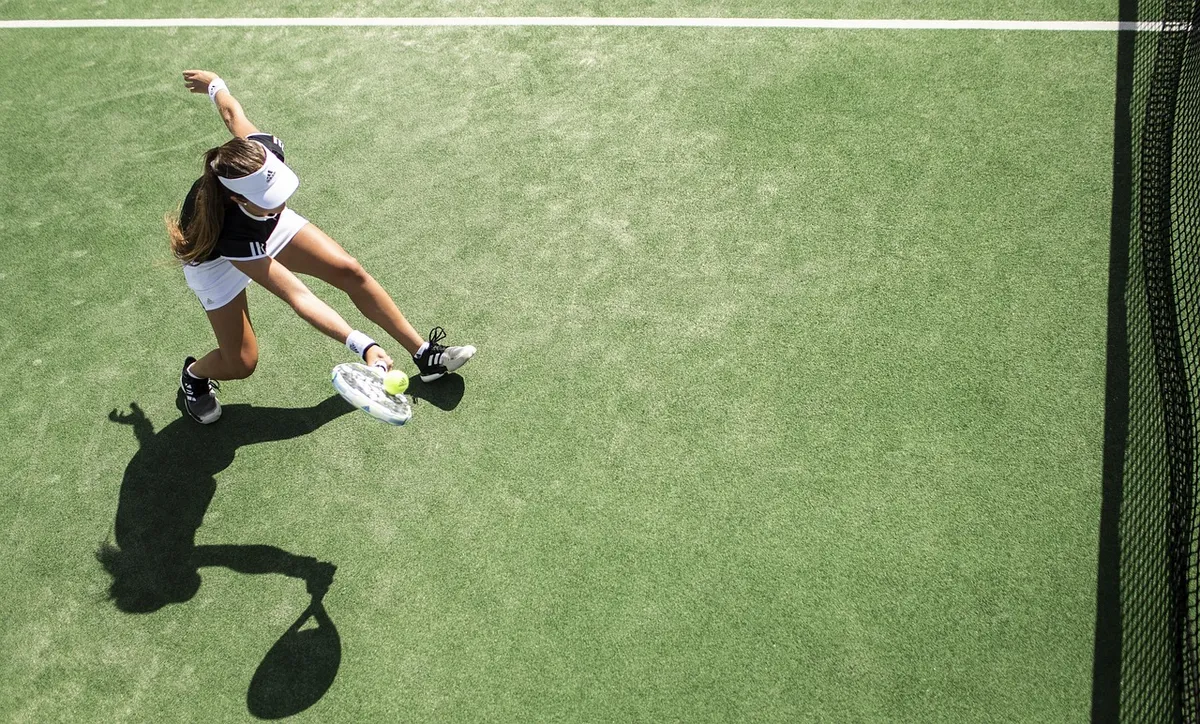
The weights of a racket can range from 200 g (7 oz) unstrung up to 360 g (12.6 oz) when fully strung. While some professional players use heavy modifications, such as lead tape to reach 400 g (14 oz), beginners should focus on weights that allow for controlled movement.
| Feature | Standard Range |
|---|---|
| Length | 53 cm to 74 cm |
| Mass | 90 g to 360 g |
I noticed that when I held a 70 cm model, it felt significantly different from the lighter junior versions.
What head sizes are available for different skill levels?
A player looks at various racket heads, comparing the surface area of each. Head size is a key variable in how the racket interacts with the ball.
In professional tennis, current racket head sizes vary between 610–740 cm² (95–115 sq in), with most players choosing between 630–700 cm² (98–108 sq in). While smaller or much larger sizes like 550 or 770–880 cm² are still produced, they are not commonly used by professionals.
Choosing a size within the standard range ensures better stability.
How do I navigate specific length options?
A player holds a slightly longer racket, testing the reach. Some specialized lengths exist for specific needs. According to the International Tennis Federation, the International Tennis Federation uses racket.
Some rackets are available at lengths ranging from 70 to 74 cm (27.5 to 29 in). When players opt for a length longer than 69 cm (27 in), they typically choose a 70 cm (27.5 in) model rather than something approaching 76 cm (30 in). This helps maintain control while providing extra reach.
- Determine your physical maturity to select between junior (53–66 cm) or mature (69 cm+) ranges. 2. Check the mass to ensure it falls within a manageable range for your current strength. 3. Verify the head size to ensure it meets your stability and sweet-spot requirements. 4. Final check: Ensure the total length, including the bumper guard and handle, does not exceed 22 inches in specific regulated contexts.
- How do I choose the right length for my physical maturity?
- What are the standard dimensions of modern rackets?
- How does mass affect racket handling?
The subject here is Beginner racket selection guide.
This part also covers Racket price range for beginners.
This part also covers Comparing racket types for pros.
Racket price range for beginners
Related
- Korando Sport sensor guide: Best comparison for sensor data
- Material science Sport gear selection guide how
Should you prioritize length or mass when selecting the right equipment?
Choosing the right equipment requires balancing length against mass to ensure the racket remains manageable. If a player selects a length that is too long, such as 74 cm, they must ensure the mass does not become too heavy for their strength level.
- Compare the length of the racket to your physical maturity to avoid a frame that is too cumbersome. 2. Evaluate the mass to ensure it stays within the 90 to 360 gram range for controlled movement. 3. Match the head size to your stability needs to ensure the surface area is manageable.
If you choose a length longer than 69 cm, you should compare it to your strength to prevent wrist strain. A heavier mass, such as 360 g, requires more strength than a lighter 90 g model. You must ensure the length and mass combination allows for proper swing mechanics during play.
When is a lighter mass more beneficial for a beginner?
A lighter mass provides a more forgiving feel for a novice player learning the game. Beginners benefit from the ease of controlling a racket with less inertia. This lighter nature aids in developing proper swing mechanics without excessive physical strain. The right equipment should feel accessible as the player develops their skills.
When considering the right equipment, a lower mass allows for quicker reaction times at the net. Players can more easily adjust to the ball's trajectory when the racket does not require significant effort to maneuver. This responsiveness is a key advantage for those starting out.
How does head size relate to stability during play?
Head size dictates the sweet spot, which is the area where the racket transfers maximum energy to the ball. A larger head size generally offers a more forgiving experience when the ball strikes off-center. Stability is improved when the head size matches the player's current ability to control the racket face.
For a beginner, selecting a head size that is not excessively large helps maintain a sense of control over the right equipment. While larger heads offer more margin for error, a size that is too large can sometimes lead to a feeling of lack of connection with the ball.
The right equipment selection process requires balancing these factors; for instance, a longer racket might necessitate a more stable head size to compensate for increased leverage.





Comments 0