Tennis stroke secrets: Guide to improve strokes for players
Mastering the perfect swing requires a blend of timing, grip, and body mechanics. This guide provides the foundational steps to develop consistent tennis stroke techniques for players at any level.
The key to success lies in understanding body weight transfer and racket face stability. You will learn to refine your swing path, maintain proper contact, and develop consistent muscle memory using structured drills.
* Stabilize your grip to ensure control during impact. * Coordinate footwork with upper body rotation. * Focus on follow-through for depth and direction. * Understand the importance of consistent practice.
How can players master tennis stroke techniques?
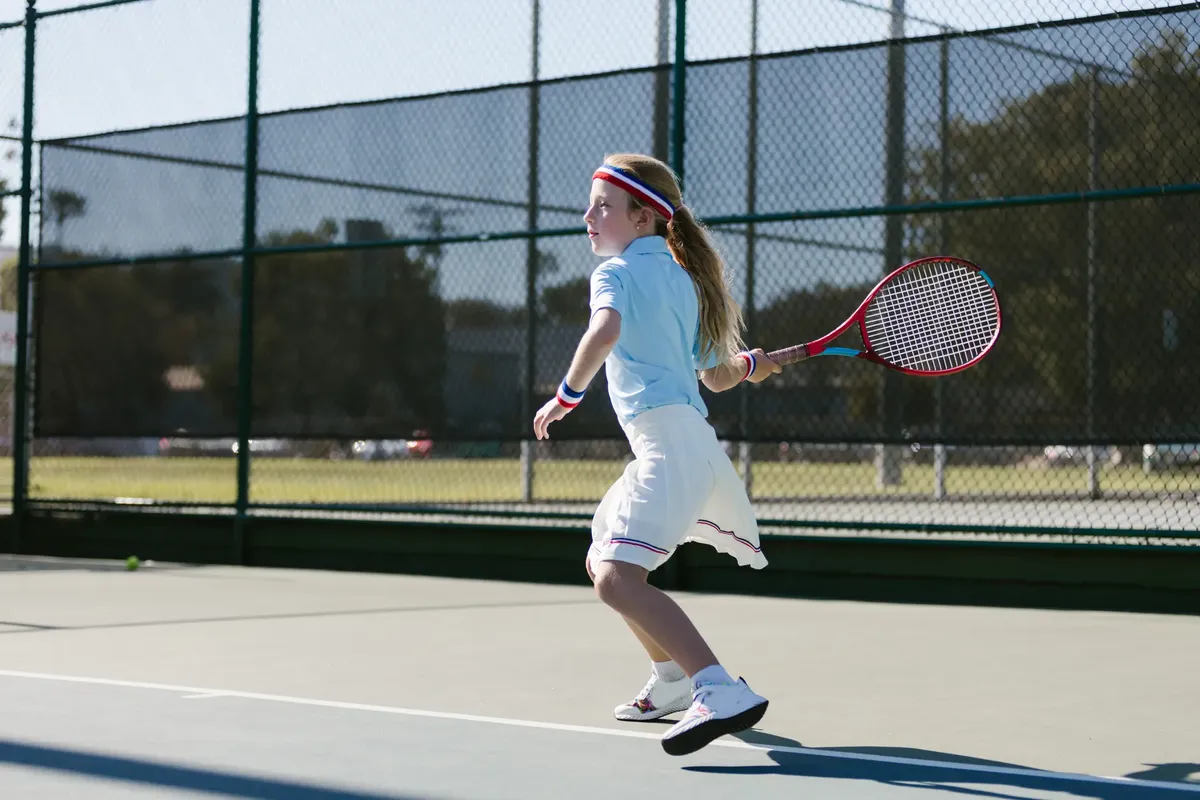
A player stands on the court, gripping the racket handle firmly before stepping into a wide stance to prepare for an incoming ball. Mastering tennis stroke techniques begins with a stable base and a relaxed but controlled grip.
Effective movement starts from the ground up, utilizing the legs to generate power instead of relying solely on the arms. This prevents injury and allows for more fluid motion during long matches.
A proper swing path ensures that the ball clears the net with enough height while maintaining a low, penetrating trajectory. By practicing these movements, players can achieve much higher levels of accuracy.
Mastery requires a blend of technical precision and physical conditioning. Players should focus on muscle memory by repeating fundamental movements until they become instinctive, allowing for better adaptability during high-pressure rallies.
How can I master the basics of tennis strokes? A beginner holds a brand-new racket, feeling the weight of the frame as they attempt to mimic a professional's swing. Basic tennis stroke tips involve simplifying the motion to focus on clean contact.
First, focus on the unit turn, where the shoulders and hips rotate together to prepare for the shot. This prepares the body to deliver energy through the ball efficiently.
Second, maintain a low-to-high swing path to generate natural topspin, which helps keep the ball within the court boundaries. This motion is essential for controlling the flight of the ball.

Third, always finish with a full follow-through toward the target to ensure the swing completes its natural arc. I found that focusing on the follow-through helped me stabilize my direction during practice sessions.
A limitation of these tips is that they assume a standard court environment and do not account for varying wind conditions or different surface types.
- Maintain a relaxed grip to ensure fluid movement and better control.
- Keep your eyes focused on the ball at all times to improve contact accuracy.
- Use your legs to generate power instead of relying solely on arm strength.
How to improve strokes through consistent practice?
A player repeats the same motion hundreds of times, sweating under the sun while trying to perfect the timing of the strike. Learning how to improve strokes requires repetitive, purposeful drills that target specific weaknesses.
One effective method is shadow swinging, where you perform the motion without a ball to perfect the mechanics. This builds the necessary muscle memory without the distraction of a moving target.
Another method involves hitting repetitive groundstrokes to a coach or partner to refine depth. This helps in understanding how much power is required for different court positions.
Finally, incorporating footwork drills ensures that you are always in the optimal position to strike the ball. If you are not in position, the stroke technique will inevitably break down.

Repetition is the key to refining swing paths and contact points. Incorporating varied drills, such as hitting cross-court and down-the-line shots, helps build versatility and ensures that techniques hold up under different playing conditions.
What are the pros' secrets to perfect strokes? A professional athlete moves with explosive speed, executing a perfect backhand with minimal wasted motion. Pro tennis stroke methods often look effortless because they are built on highly efficient biomechanics.
Professional players use their core strength to drive the swing, turning the entire body into a powerhouse. This allows them to hit heavy shots with minimal physical strain on the wrists and elbows.
Precision is also key, as pros can manipulate the ball's spin and direction with subtle changes in the racket face angle. This level of control is the result of years of technical refinement.
The combination of power and placement allows top-tier players to dictate the tempo of the game. They use these methods to stay ahead of opponents throughout a match.
Professional players often rely on efficient kinetic chains, transferring energy from the ground up through the legs, hips, and torso. They also master the ability to adjust their swing depth and spin based on the opponent's positioning.
Can you compare different tennis stroke techniques?
A player stands at the baseline, deciding whether to hit a flat drive or a heavy topspin shot. Comparing different tennis stroke techniques helps players choose the right tool for the specific situation.
| Feature | Flat Stroke | Topspin Stroke |
|---|---|---|
| Primary Goal | Speed and depth | Safety and heavy bounce |
| Swing Path | Linear/Direct | Low-to-high |

Flat strokes are useful for aggressive play on faster surfaces where the ball needs to travel quickly. However, they require much higher precision to avoid hitting the net or sailing long.
Topspin strokes provide a margin of error by causing the ball to dip into the court after crossing the net. This is often the more reliable choice during high-pressure rallies.
While flat strokes provide speed and directness, topspin strokes offer higher clearance over the net and more control through heavy rotation. Conversely, slice strokes are used to change the rhythm and keep the ball low to disrupt an opponent's timing.
Related
- Racket selection guide: Beginner racket selection guide tips
- Korando Sport sensor guide: Best comparison for sensor data
When is the perfect timing crucial in stroke execution? Timing is crucial when the player must coordinate the body weight transfer with the precise moment of racket contact. The player must anticipate the ball's trajectory to initiate the correct swing path. This anticipation allows the player to ensure racket face stability at impact, which is vital for controlling the shot's outcome.
Timing is vital during the transition from the backswing to the contact point. Striking the ball at the optimal height and distance from the body ensures that the player can maintain balance and direct the ball with intended depth and direction.
What conditions affect the effectiveness of stroke techniques? Surface type and wind conditions present limitations to the basic stroke tips. A player must adjust their technique when facing these environmental factors. For instance, the required swing path might change when the wind affects the ball's flight.
Mastering the perfect swing demands that the player constantly evaluates these external conditions. The ability to adapt the grip or the swing path based on the environment separates consistent players from those who struggle during matches.
This adaptability is a key component of advanced technique.
Consistent practice must include simulating varied conditions to truly master the perfect swing. Repetitive drills should not only focus on mechanics but also on maintaining control when external factors challenge the player's established routines.
Wikipedia: Tennis Channel Based on the retained excerpt mentioning Association of Independent Programming Networks: On February 1, 2006, Tennis Channel became a charter member of the new Association of Independent Programming Networks.





Comments 0