Sports injury prevention tips: How to prevent 70% mortality
"Recent changes to load management for athletes and fear of overtraining led to a groundbreaking study by the International Olympic Committee in 2016, in which the committee hoped to identify risk factors predisposing athletes to overuse and risk of injury."
Effective sports injury prevention requires managing physical load and understanding specific physiological risks to avoid long-term damage. This guide covers injury management through load assessment, understanding mortality risks, and addressing nutritional gaps.
Key takeaways include monitoring overuse, recognizing head trauma severity, and managing iron deficiency.
How do load management changes affect injury prevention?
At dawn on the muddy track, the runner limps through the cold air while contemplating the heavy toll of intense sports training.
An athlete stands on a track, adjusting their running shoes while feeling the sudden strain of an extra training session. Managing the physical load is essential to prevent overuse injuries that can sideline a career.
According to the International Olympic Committee in 2016, recent changes to load management and the fear of overtraining led to a study to identify risk factors predisposing athletes to overuse and injury. This research highlights that improper training volume can lead to repetitive strain.
Preventing sports injuries often begins with balancing intensity and recovery to mitigate these specific risks.
Adjusting training volume helps prevent overuse injuries by allowing tissues to adapt to stress without reaching a breaking point.
What are the most severe risks in athletic trauma? Sports injury prevention tips
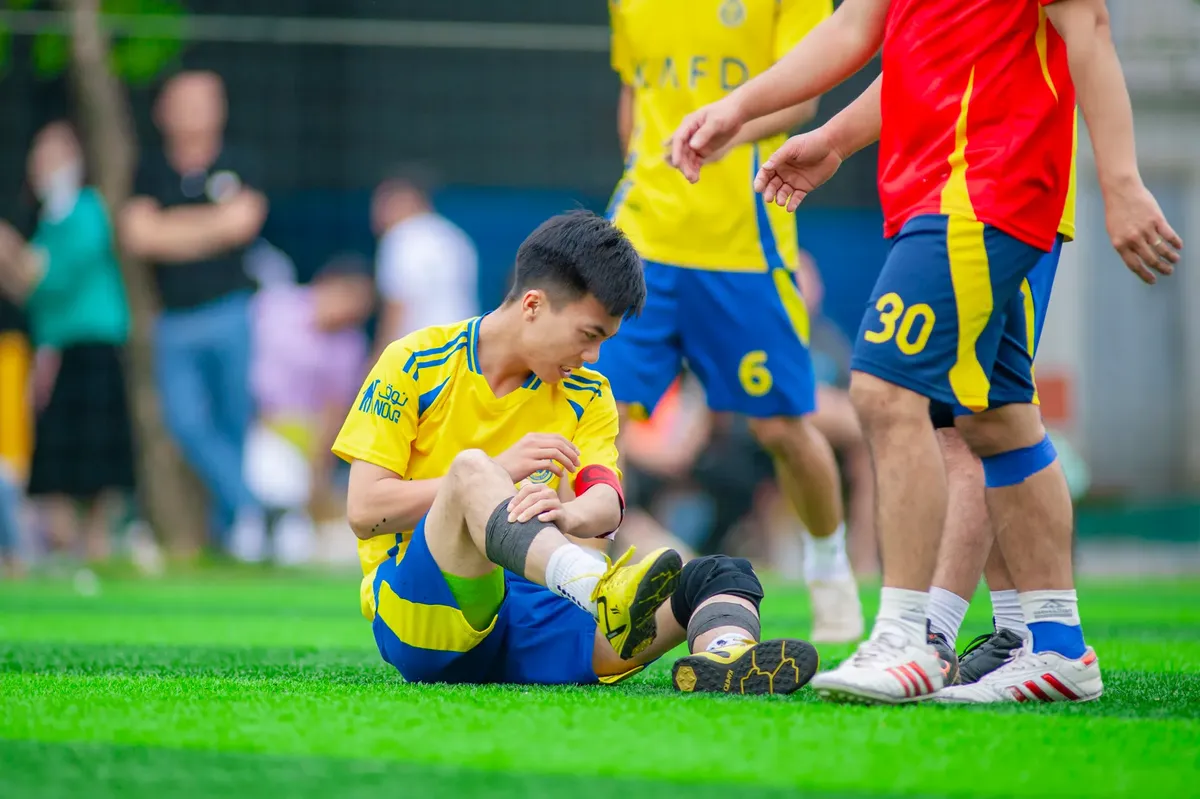
A player falls on a field, clutching their neck after a sudden impact during a game. Understanding the gravity of specific trauma helps in prioritizing immediate medical attention.
Sports-related head and neck injuries represent a large portion of athletic trauma. The severity of these injuries is significant, as they account for an estimated 70% of sports-related mortality and 20% permanent disability.
Safe exercise methods must prioritize helmet use and contact protocols to reduce these life-altering outcomes.
High-impact collisions and sudden deceleration pose the greatest risks for acute injuries such as fractures and ligament tears.
How can nutritional deficiencies impact performance?
A female athlete sits on a bench, feeling a wave of fatigue during a mid-day workout. Addressing internal health is just as vital as physical conditioning for long-term safety.
Iron deficiency is a common issue found in both male and female athletes. Specifically, 60 percent of female college athletes are affected by iron deficiency. Injury management guide strategies should include regular blood work to ensure energy levels remain stable.

Inadequate caloric intake or lack of essential vitamins can lead to premature fatigue and weakened bone density.
What are the statistics for sports-related medical visits?
A clinician reviews a chart in a clinic, noting the high volume of patients seeking relief from physical strain. Understanding the frequency of injuries provides context for the necessity of prevention.
Sports injuries account for 15 - 20% of annual acute care visits. The incidence rates are recorded at 1.79 - 6.36 injuries per 1,000 hours of participation. This level of frequency underscores the importance of consistent injury avoidance tips for all participants.
Medical visits for sports injuries increase during peak competitive seasons when training intensity is at its highest.
How should an athlete handle sensitivity after an injury?
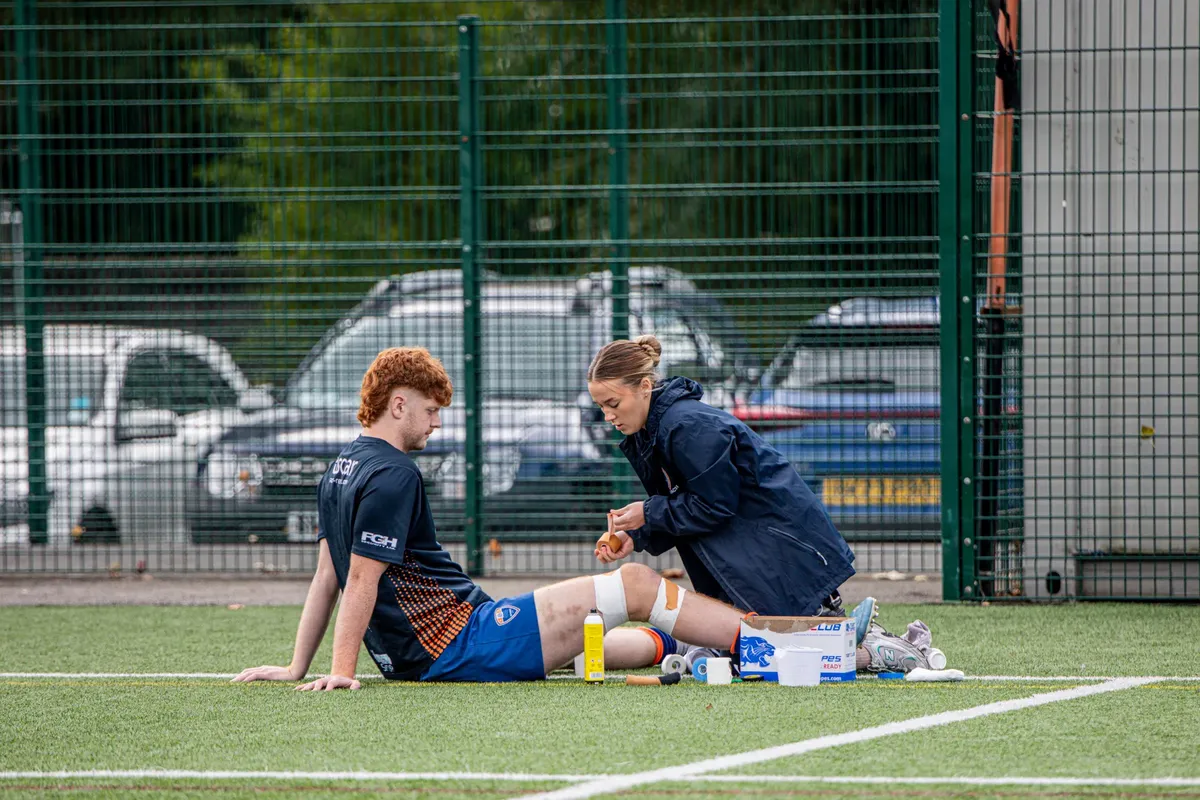
An athlete gently touches a bruised shoulder, testing the range of motion before deciding to continue. Knowing when to push through and when to seek help is a critical skill.
The athlete often reports sensitivity to air, cold, or touch. However, the athlete can return to play as tolerated, and referral can be delayed up to 24 hours.
Developing a personalized workout safety advice plan helps determine when a symptom is manageable and when it requires professional intervention.
Managing physical and emotional sensitivity requires patience and a gradual return to activity to avoid setbacks.
How to manage injury risks through structured steps?
A coach gathers a team in a circle, discussing the upcoming week's training schedule to ensure everyone stays healthy. Following a structured approach helps maintain consistency across different sports.
- Monitor training volume to prevent the overtraining issues identified by the International Olympic Committee. 2. Prioritize head and neck safety to mitigate the 70% mortality risk associated with such trauma. 3. Monitor iron levels, especially for female athletes, to maintain physical resilience.
A final check involves assessing whether the current training load matches the athlete's recovery capacity.
| Injury Category | Impact Metric |
|---|---|
| Head/Neck Trauma | 70% of sports-related mortality |
| Female College Athletes | 60% affected by iron deficiency |
I found that reviewing the 2016 study findings helped me understand how to balance my own training intensity.
A limitation of these prevention strategies is that they cannot account for all individual physiological variations or sudden accidents.
- Assess current physical readiness and baseline strength.
- Implement a progressive loading program to build resilience.
- Monitor recovery metrics to adjust intensity levels.
The subject here is Sports injury prevention tips.
The same subject is also called Prevent sports injuries.
This part also covers Running injury prevention guide.
This part also covers Weightlifting injury care.
This part also covers Soccer injury avoidance tips.
Running injury prevention guide
Related
When should an athlete seek professional intervention? When symptoms suggest a condition beyond minor strain, seeking expert medical advice becomes necessary. The athlete can return to play as tolerated, but this tolerance has limits.
- If sensitivity persists despite initial rest, professional evaluation should be pursued. 2. If the injury involves significant impact, immediate attention is warranted to address potential head trauma severity. 3. A personalized plan helps distinguish manageable symptoms from those requiring intervention.
How do recent changes in load management relate to risk assessment? Recent changes to load management reflect a heightened awareness regarding the dangers of overtraining. The International Olympic Committee's study sought to pinpoint factors that predispose athletes to overuse and injury.
This research emphasizes that balancing intensity and recovery is crucial for mitigating risks associated with improper training volume. The committee hoped to identify these risk factors before they resulted in significant athlete harm.
Monitoring training volume is a key procedural step derived from these considerations.
Understanding the severity of head and neck injuries is a direct outcome of these risk assessments. These injuries contribute significantly to both mortality and permanent disability in athletes.







Comments 0