Swim meet pattern guide: How to navigate meet structure
A swim meet follows a rhythmic cycle of heats, timed events, and recovery periods that dictate the flow of the entire day. Understanding this structure helps new competitors manage their energy and timing effectively.
This guide covers the fundamental patterns of a swim meet, including heat organization, event sequencing, and preparation steps. Key takeaways include managing heat timing, understanding lane assignments, and preparing for recovery between races.
What is the basic swim meet pattern?
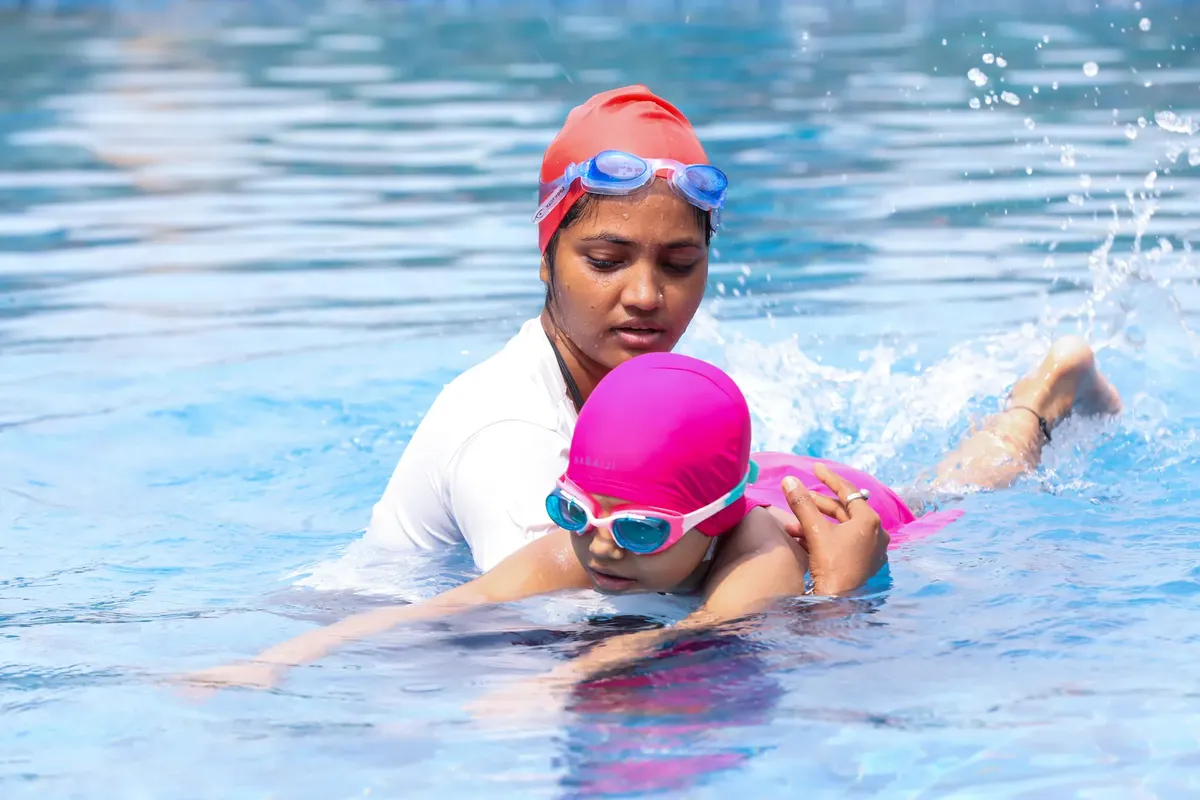
At noon, I crouch on the damp pool deck as the rhythmic patterns of the heat prepare me to swim.
A swimmer stands at the edge of the deck, listening to the muffled sounds of splashing and whistles echoing through the natatorium. The air feels thick with humidity as officials move between lanes to check equipment.
A typical swim meet pattern consists of several heats where swimmers compete in specific distance or stroke categories. These events are often organized by age groups or skill levels to ensure fair competition.
Each heat follows a specific sequence, starting with a controlled start and ending with a touch at the wall.
Understanding the swim meet structure is essential for managing the physical demands of the day. Most meets group similar strokes together to allow for consistent warm-up and cool-down periods.
- Check in with the officials to confirm your entry.
- Warm up in the designated lanes.
- Report to the marshalling area before your heat.
How to navigate the swim meet structure? Swim meet pattern guide
The smell of chlorine fills the air as a swimmer adjusts their goggles before a race. The sound of a starter's whistle cuts through the ambient noise of the crowd.
To effectively manage a swim meet, follow these fundamental steps:
- Check the heat sheet regularly to know exactly when your specific race is scheduled. 2. Monitor the progress of preceding heats to estimate the remaining time before your turn. 3. Execute a consistent warm-up and cool-down routine based on the scheduled gaps between events.
I once stood by the pool deck, checking the printed heat sheet every ten minutes to ensure I did not miss my turn. This repetitive checking is a vital part of the swim meet pattern guide for any new participant.
In this sequence, the second step is the most time-consuming.
Understanding the swim meet flow
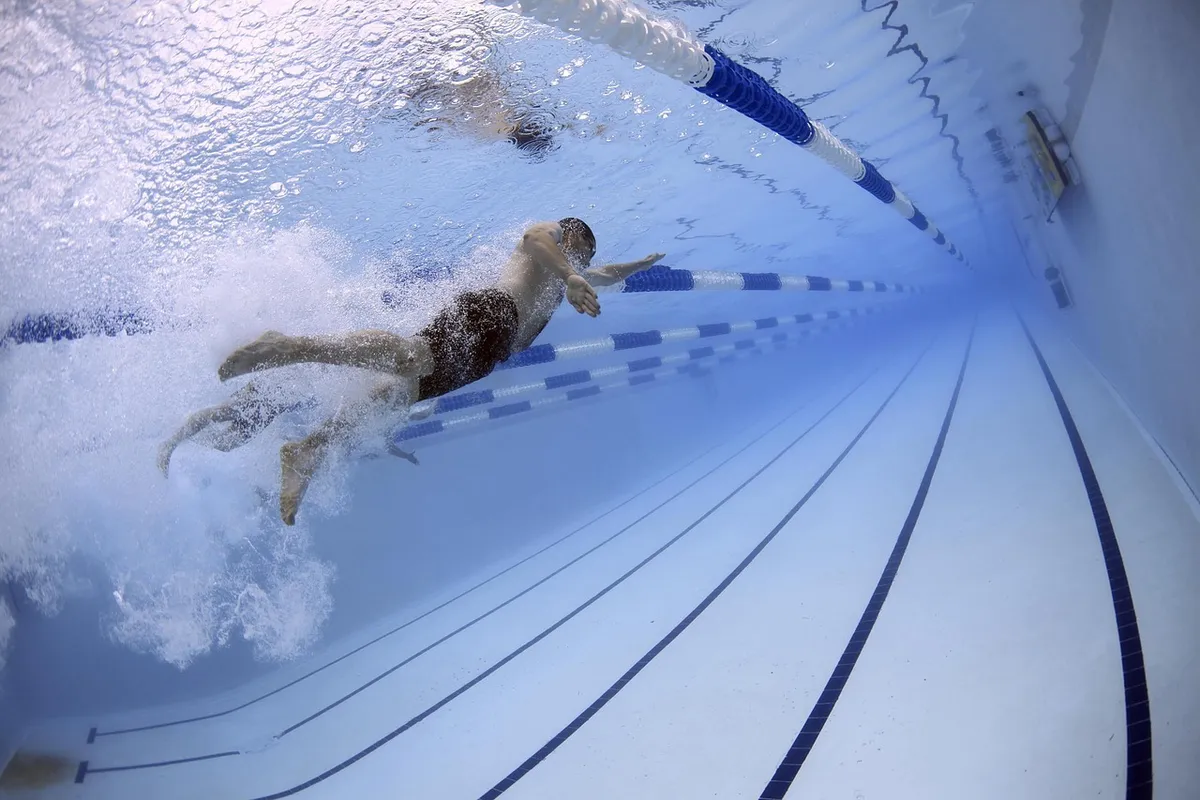
The bright lights of the indoor pool reflect off the water's surface as swimmers prepare for their turns. Coaches stand at the end of the lanes, offering quiet words of encouragement.
The swim meet flow is generally dictated by the order of events listed on the official program. This sequence often moves from sprint distances to longer endurance races or specific stroke specialties.
Understanding how the meet moves from one event to the next allows competitors to plan their nutrition and rest.
A well-organized meet uses this flow to keep the competition moving smoothly. This structured approach ensures that officials and swimmers remain synchronized throughout the day.
Common mistakes in swim meet participation
A swimmer sits on a bench, staring at their racing suit while trying to remain calm. The sudden burst of cheering from the stands can be overwhelming for someone not used to the environment.
One common error in swim meet participation is failing to account for the time between heats. Some competitors arrive at the blocks too late, while others sit idle for too long without maintaining muscle warmth.
Another mistake is neglecting the importance of the warm-up period relative to the specific event timing.
Maintaining focus on the scheduled times is a critical part of the swim meet component breakdown. Proper timing management prevents the physical fatigue that comes from being unprepared for long waits.
How to manage energy during a swim meet?
The water ripples as a swimmer enters the lane, testing the temperature before the race begins. The tension in the room builds as the officials signal that the heat is about to start.
Effective energy management requires balancing active movement with strategic rest. This is a key part of the swim meet participant guide for those managing multiple events in a single day.
* Pre-race warmup: Engage in light swimming to raise the core body temperature. * Between-race recovery: Focus on light stretching and hydration during the gaps between heats. * Post-race cooldown: Perform easy swimming to prevent muscle stiffness.
A final check of the heat sheet and equipment ensures that no technicalities disrupt the energy management process.
The same subject is also called Basic swim meet structure.
The same subject is also called How swim meets work.
The same subject is also called Swim competition basics.
The same subject is also called Understanding swim meet flow.
This part also covers Beginner swim meet guide.
This part also covers Swim meet participation tips.
Beginner swim meet guide
Related
When should I focus on recovery during a swim meet? Recovery should be prioritized during the gaps between heats, as this time allows for muscle recovery and hydration. Focusing on light stretching and hydration during these intervals helps maintain readiness for the next swim meet event. This strategic rest prevents the physical fatigue associated with continuous competition.
How does heat organization affect the swim meet flow? Heat organization dictates the initial sequence of races, often grouping similar strokes together. This grouping supports a consistent warm-up and cool-down schedule for the competitors. The progression from sprint distances to longer endurance races is a common element in the overall swim meet flow.
Understanding the lane assignments is crucial because it directs the swimmer to the correct starting point for their specific heat. Proper lane management ensures that the competition proceeds according to the official program's sequence.





Comments 0