How to Swim: Essential Techniques for Beginners and Novices
"The water is not your enemy; it is simply a medium that requires a different kind of physics."
Mastering swimming requires moving from survival instincts to controlled, rhythmic movements through a structured progression of breathing, buoyancy, and propulsion. This guide breaks down the essential stages of learning to swim, from your first breath to your first full lap.
Key Takeaways * Prioritize breath control and buoyancy before attempting complex strokes. * Master the horizontal body position to minimize drag. * Coordinate rhythmic breathing with physical movement to prevent exhaustion.
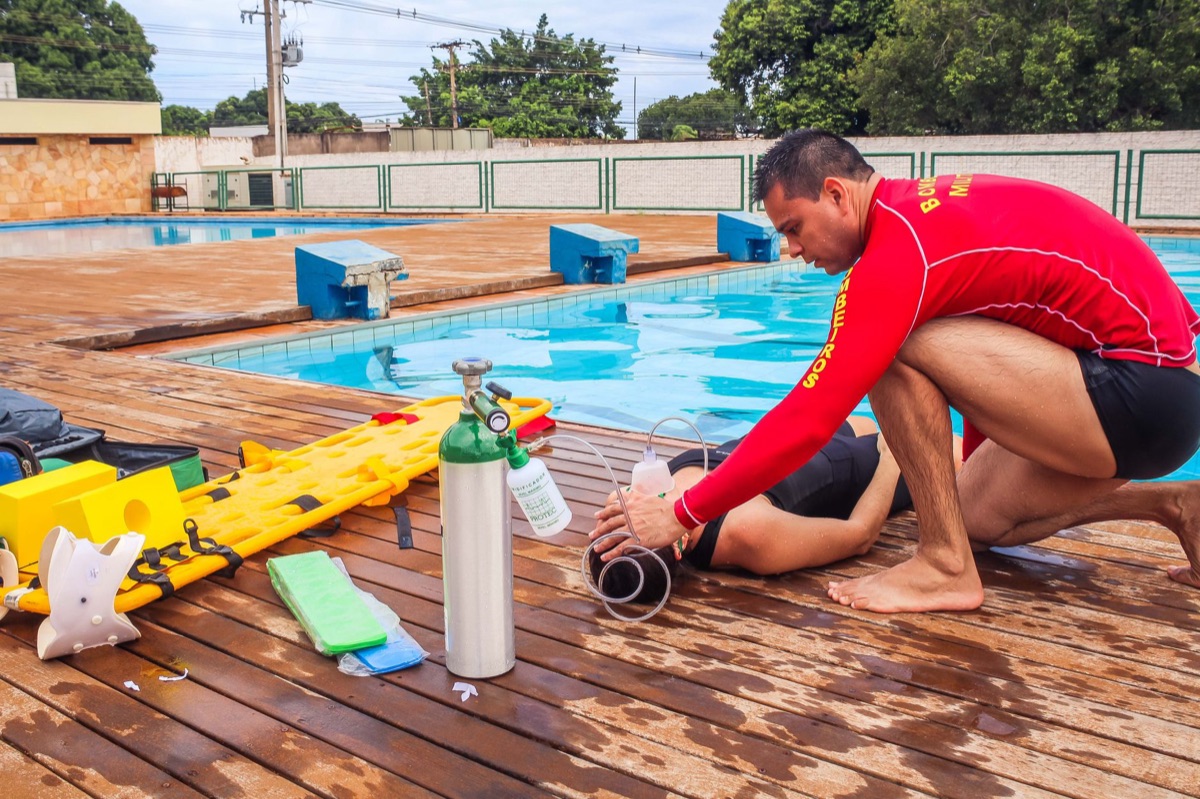
How to Master Initial Buoyancy and Breath Control
The cool water hits your skin at the edge of the pool, and for a second, your instinct is to hold your breath and tense up. You stand at the shallow end, feeling the weight of the water against your legs.
To begin swimming, you must first master breath control and body position before you ever attempt a stroke. The goal is to move from a vertical, tense posture to a horizontal, relaxed state.
This starts with bubble-blowing (exhalation) underwater to prevent water from entering your nose and helps you learn to control your lung capacity.
| Phase | Primary Goal | Key Action |
|---|---|---|
| 1. Breath Control | Regulate lung pressure | Exhale through the nose underwater |
| 2. Buoyancy | Maintain horizontal position | Arch the back slightly and tuck the chin |
| 3. Propulsion | Move through the water | Use rhythmic kicks and pulls |
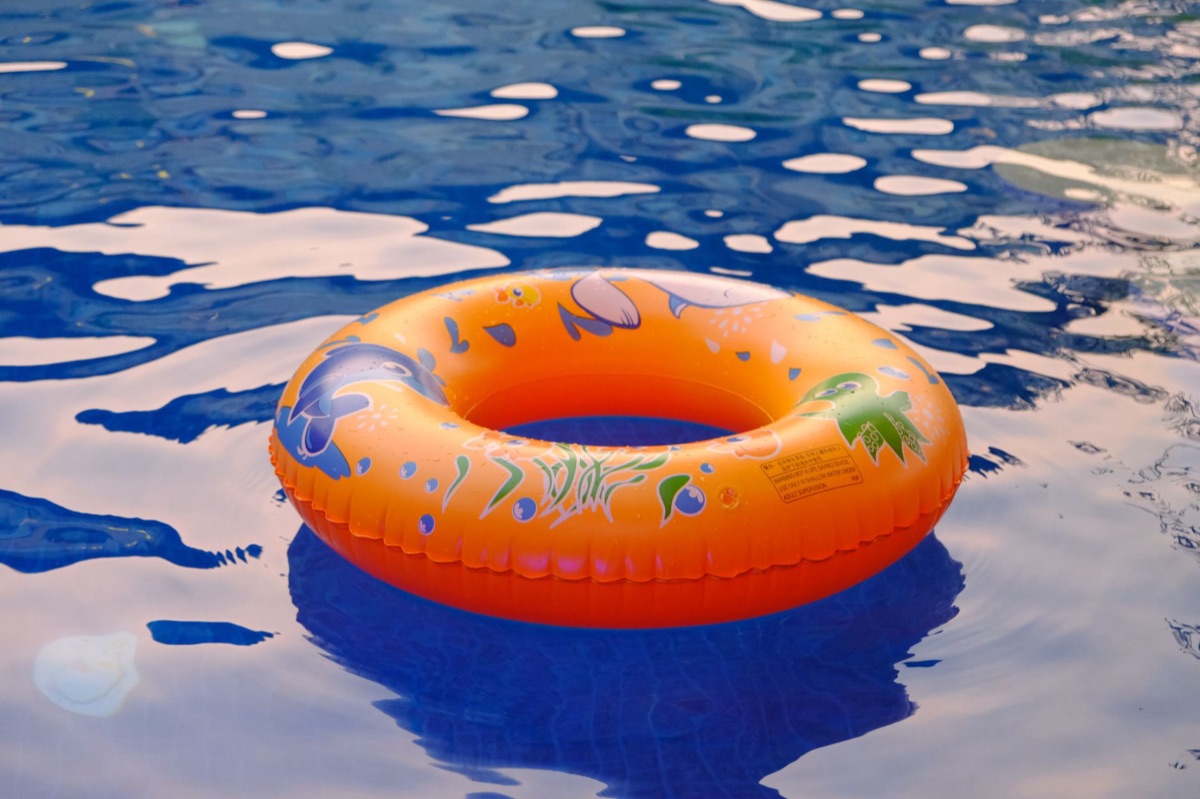
How do I build a solid foundation for my body position? You lie face down in the water, feeling your legs sink toward the bottom of the pool. It feels like you are fighting a constant downward pull.
The most common struggle for beginners is the "sinking leg" syndrome, where the lower body drops, creating massive drag. To fix this, you must learn to engage your core and keep your hips high.
By looking at the bottom of the pool rather than straight ahead, you naturally lift your hips, creating a streamlined shape that allows you to glide.
- The Gliding Phase: Push off the wall in a streamlined position, arms extended, and see how far you can travel without kicking. 2. The Kick Warm-up: Practice flutter kicks while holding the pool edge to feel how the movement of your legs affects your buoyancy. 3. The Rotation Drill: Practice rolling your body slightly from side to side while floating to understand how to use your core for stability.
How can I master rhythmic breathing and coordination? You turn your head to the side, gasping for air, only to swallow a mouthful of water and cough. The rhythm feels impossible to catch.
Once you can float, you must integrate breathing with movement. This is often the hardest part of the learning process. You should practice rhythmic breathing where you exhale steadily underwater and take a quick, sharp breath through your mouth when you turn your head.
This prevents the "panic breath" that leads to hyperventilation.
I remember my first time trying to coordinate a freestyle stroke; I was so focused on my arms that I completely forgot to exhale, leading to a sudden, overwhelming feeling of breathlessness. Once I realized that the exhale happens underwater, everything changed.
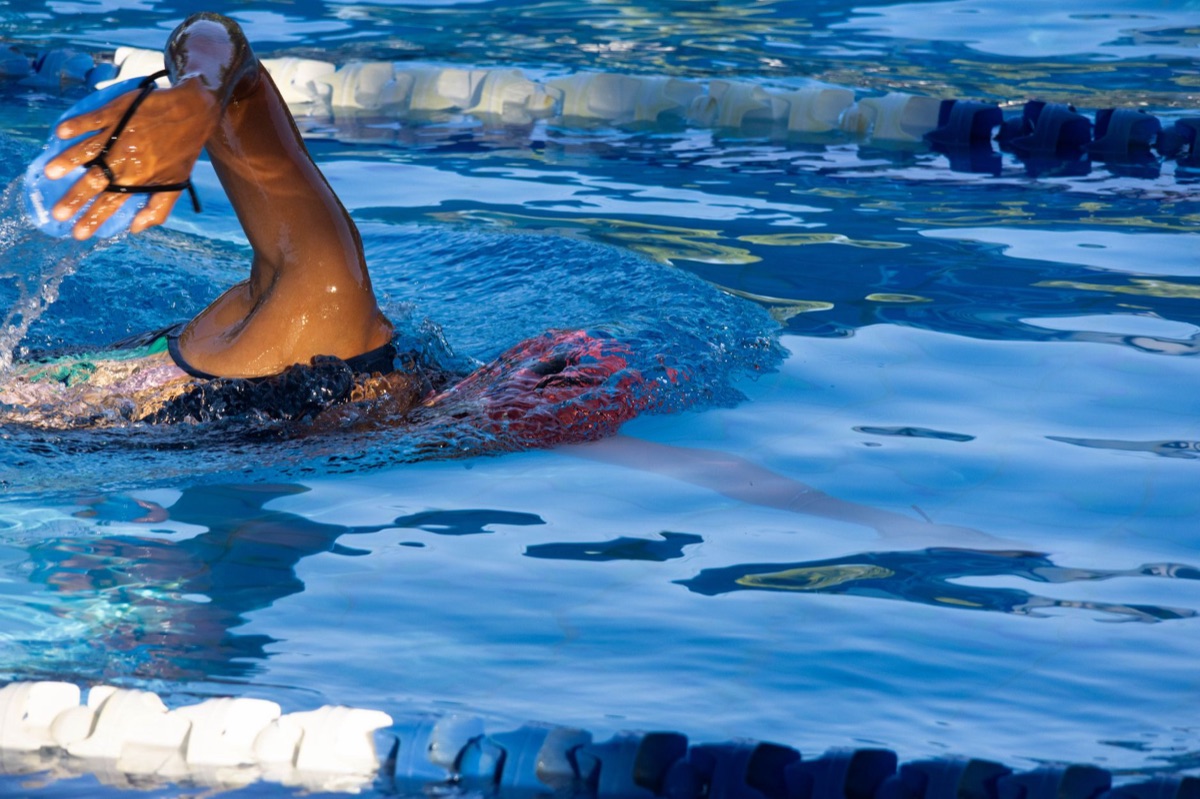
Moving from Drills to Full Stroke Execution
The pool deck is crowded, and you see faster swimmers gliding past you with ease. You try to mimic them, but your movements feel heavy and jerky.
Transitioning from isolated drills to full strokes requires merging your breathing, kick, and pull into one fluid motion. Start by practicing one component at a time—for example, doing only the kick for one lap, then only the arms for the next.
Gradually, you will naturally begin to overlap these movements.
* Step 1: The Flutter Kick: Keep legs long but not stiff, moving from the hips rather than the knees. * Step 2: The Arm Pull: Reach forward, catch the water, and pull it toward your thigh in a smooth arc. * Step 3: The Integration: Combine the kick and the pull while maintaining your rhythmic breathing.
Avoiding Common Beginner Mistakes
The sun is bright overhead, and after ten minutes of practice, your shoulders are aching and your chest feels tight.
A common mistake is fighting the water instead of working with it. Beginners often use too much force, which leads to rapid fatigue. Another mistake is lifting the head too high to breathe, which causes the hips to sink instantly.
Always keep your head low and rotate, rather than lift, to maintain a flat profile.
* Over-kicking: Kicking too hard can exhaust you before you finish a single lap. * Tense Muscles: Keeping your body rigid makes you sink; stay relaxed to stay buoyant. * Holding Breath: Holding your breath entirely underwater creates tension; always maintain a steady exhale.
Adapting to Different Environments and Distances
The pool is much larger than it looked from the deck, and the deep end feels intimidatingly far away. According to the International Organization for Natural Bathing Waters (IOB), which was established in 2009, guidelines exist for the maintenance of natural structures.
As you progress, you will need to adapt your technique to different distances and environments. For short sprints, you might use more power, but for longer distances, you must focus on efficiency and energy conservation. This means longer glides and more relaxed, rhythmic movements.
This level of mastery does not apply to competitive racing or specialized aquatic sports, where different technical requirements may override basic foundational principles.
When I tried the steps in order, the second one is where I paused longest.
However, this does not apply in every situation.
Related



Comments 0