Grip 1: Master the ball's weight for perfect control now
"The weight of the ball in your hands and the pressure against your fingertips are the starting points for every single play."
Mastering the fundamentals of any ball sport requires a deep understanding of the equipment's physical properties and the ability to maintain a stable center of gravity. It is a process of synchronizing your eyes, hands, and feet into a single, cohesive unit.
* Learning to feel the weight and pressure of the ball * Establishing a base stance through eye contact and body balance * Building muscle memory through repetitive, phased drills * Practicing "switch play" to respond to changing game situations
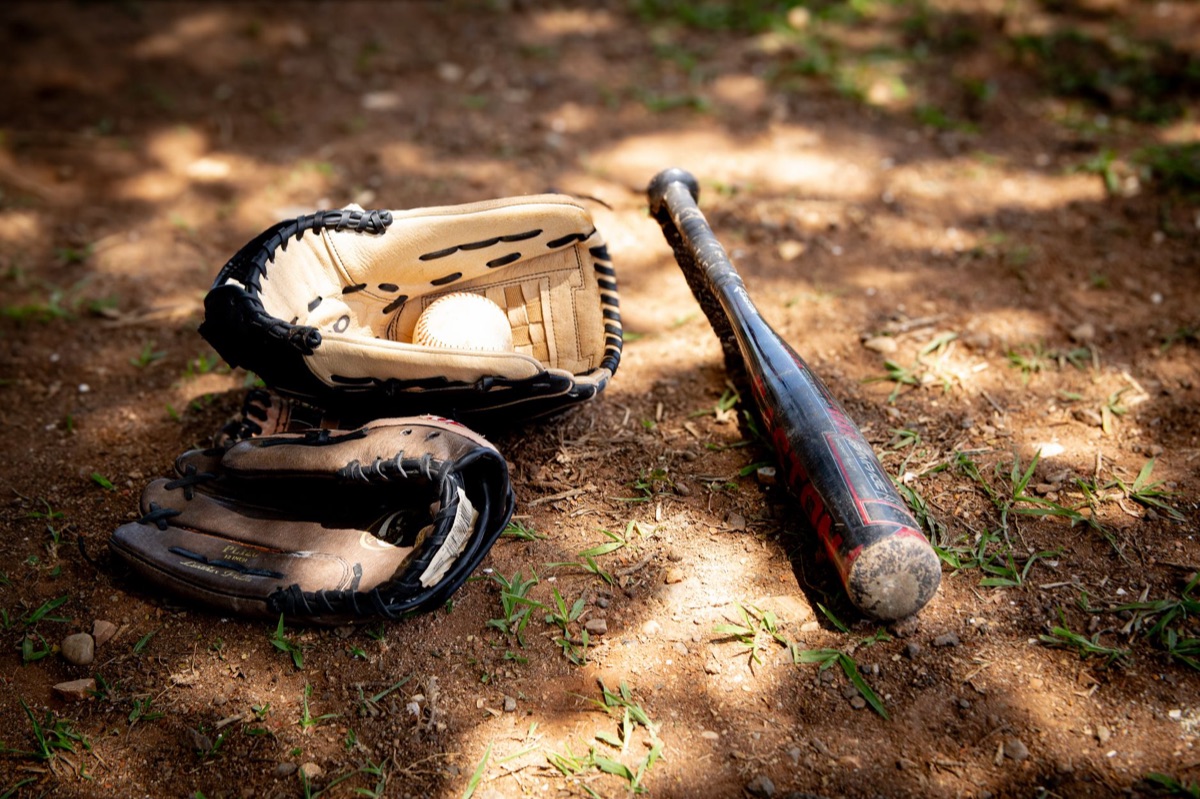
How do you control the weight and pressure at your fingertips?
I remember the heavy, solid feeling of gripping a ball for the first time on a sun-drenched practice field at 3:00 PM. The texture of the leather against my palms and the way the volume of the ball pressed against my fingers provided more information than just touch; it was a physical roadmap.
Mastering a sport begins with understanding the physical state of the ball. In organized competition, the equipment follows strict specifications to ensure consistency.
For instance, a professional-level football has a long axis measuring 11 to 11.25 inches, a long circumference of 28 to 28.5 inches, and a short circumference of 21 to 21.25 inches.
Additionally, at all levels of play, the football is inflated to 12.5 to 13.5 psi, or just under one atmosphere, and weighs 14 to 15 ounces.
These standardized dimensions are not just for rulebooks; they allow a player to predict how the ball will bounce and how its center of gravity will shift during a catch. For a beginner, the first task is to feel exactly how much pressure the ball holds and where its weight sits.
You must practice spreading your fingers wide to create a stable grip.
- Focus on the sensations in your fingertips rather than the full palm to maintain a light, controlled grip. 2. Slowly shift the ball to identify exactly where the center of mass hits your hands. 3. Maintain consistent pressure by adjusting the tension in your finger joints.
When I first started, I gripped the ball too tightly, causing it to slip out of my hands constantly. I was surprised to learn that you can control almost every movement just by adjusting the micro-pressure in your fingertips.

How do you align your gaze with your body's center?
I stand on the white chalk line of the training field, taking a deep breath to find my center. While my eyes are locked on the horizon, my mind is already tracing the projected path of the ball.
The core of fundamental skill lies in the relationship between visual focus and physical balance. If your eyes stay glued to the ball, you lose awareness of the field around you; if you look too wide, you lose precision.
Your eyes must track the ball's movement while your body remains in a state of readiness for the next move.
When establishing a stance, it is vital to bend your knees slightly to lower your center of gravity.
This low base is what allows for sudden changes in direction or quick "switch plays." If your center is too high, you become sluggish; if it is too low, you lose the flexibility needed for explosive movement. You must find the specific point of stability that fits your unique body proportions.
- Keep your gaze on the ball's trajectory while keeping your torso oriented toward the field of play. holder 2. Maintain a slight bend in the knees and distribute weight evenly across the soles of your feet. 3. Keep your shoulders relaxed and ensure your hips and eyes are properly aligned.
I found that matching my body's center to my gaze was much harder than it looked. If my core was unstable, my vision would wobble, making it nearly impossible to judge distances accurately.
Building muscle memory through phased repetition
I throw a practice ball against a brick wall and catch it as it bounces back, reacting to the unpredictable spin. This is the process of training the body to respond instinctively to irregular trajectories.
To turn a basic skill into a natural reflex, follow this phased approach:
- Static Practice: Practice basic movements like catching, throwing, and positioning while standing still. Focus on fixed finger placement and foot angles. 2. Dynamic Practice: Incorporate light movement. Practice controlling the ball while jumping in place or moving short distances to develop coordination. 3. Switch Practice: Rapidly change scenarios, such as switching between offensive and defensive postures or left-to-right movements. This builds the ability to handle the chaos of a real game. 4. Simulation Practice: Practice at the same intensity and within the same environment as a real match.
The most important factor in this process is accuracy. It is better to perform a movement perfectly at a very slow speed than to perform it poorly at a fast one. Once a bad habit is ingrained in your muscle memory, it becomes significantly harder to correct later.
- Execute the entire movement sequence smoothly, even if you have to go very slowly at first. 2. Break the movement into segments and practice each specific part until it is mastered. 3. Gradually increase the speed only when the movement feels natural and fluid.
I realized that trying to be fast too early was a mistake. It was much more efficient to master the slow, perfect version of a movement before trying to speed it up.
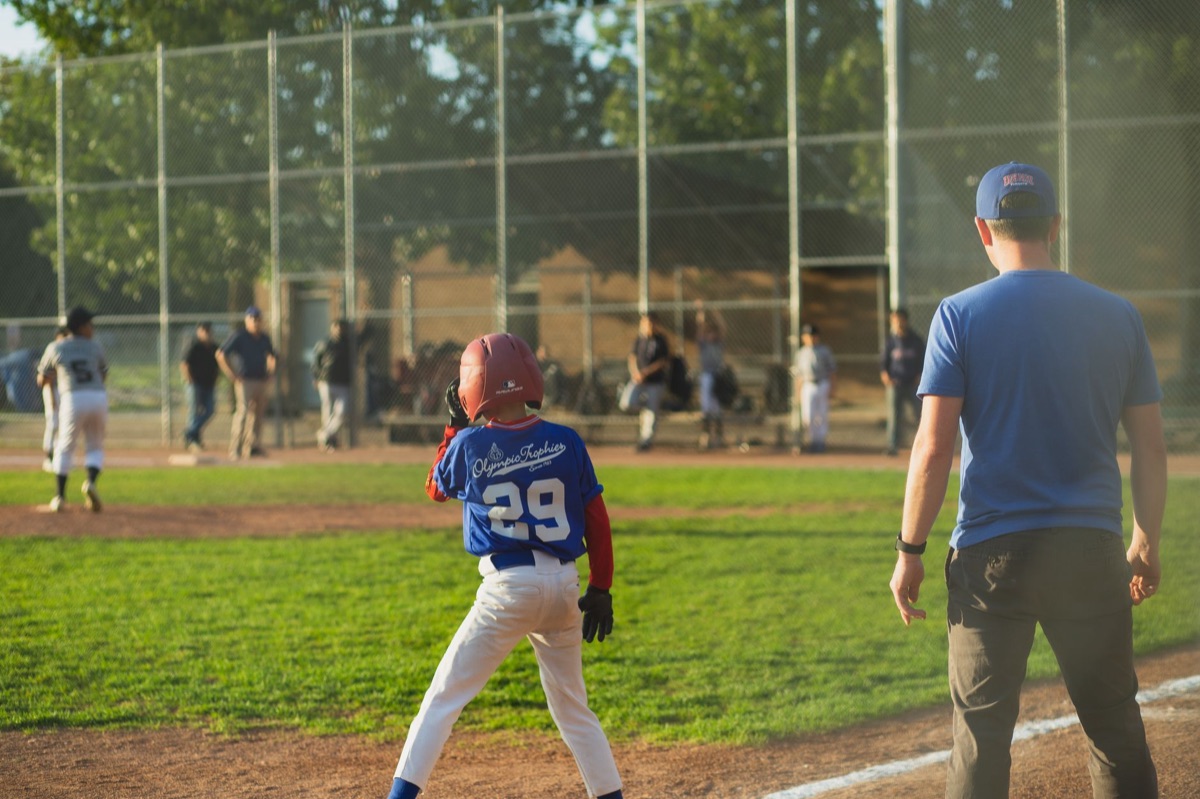
Common mistakes and how to fix them
Sitting on the bench after a long training session, I often realize why a specific mistake kept happening. Usually, it was because I was either using too much force or not enough.
The most common mistake for beginners is excessive tension. When you try to handle the ball too forcefully, your body becomes rigid, making precise control impossible. This tension can also lead to injuries in the wrists or ankles.
| Mistake Type | Primary Symptom | Correction Method |
|---|---|---|
| Excessive Tension | Jerky movements and slow reaction times | Use controlled breathing to relax the body and joints |
| Poor Gaze | Dropped balls or loss of situational awareness | Practice keeping eyes between the ball and the target |
| Unbalanced Center | Losing balance during direction changes | Maintain a low stance with bent knees and stable hips |
| Irregular Rhythm | Lack of consistency in movements | Perform repetitive drills with a steady, controlled tempo |
Recording your own movements on video is one of the most effective ways to catch these errors. There is often a massive gap between how you *think* you look and how you actually move.
- Identify which body parts are tensing up and consciously work to relax them. 2. Document the exact moment a mistake occurs and backtrack to the preceding movement to fix the root cause. 3. Compare video footage of your form against professional standards to identify discrepancies.
I was shocked when I first watched myself on video; I didn't realize how stiff my body actually was. I had to break my movements down into tiny, microscopic adjustments to fix those habits.
Applying skills to real-world "switch play"
As the intensity of a game ramps up, players must transition from basic mechanics to advanced tactical play.
Once the fundamentals are second nature, you can move into advanced applications. "Switch play" refers to the ability to instantly change roles or directions based on the situation—such as transitioning from a defensive stance to an aggressive offensive drive in a split second.
At this stage, full-body coordination is mandatory. Your stance and gaze must become subconscious so that your brain is free to focus on high-level strategy. Fundamentals are not just about technique; they are tools that buy you the "mental time" needed to make smart decisions under pressure.
- Introduce varying angles and speeds to your basic drills to simulate unpredictable environments. 2. Practice shifting your weight rapidly to prepare for sudden changes in the ball's direction. 3. Maintain high tension and focus to ensure smooth transitions between different types of movements.
Once I mastered the basics, adding advanced maneuvers made my movements feel much more dynamic. I learned to always prepare for the next move, assuming the ball could change direction at any moment.
FAQ
How long should I practice basic techniques?
Does the equipment significantly affect my skill level?
What should I watch out for when practicing alone?
How can I prevent injuries?
Related posts
Home Fitness: Master Foundational Moves for Stronger Bodies
From Wood to Carbon: Modern Materials in Sports Equipment
Simone Biles: Path to Olympic Medal Success in Gymnastics

Comments 0